
This analysis provides actionable guidance for mobile game user acquisition (UA) managers, focusing on campaign structure, geographic segmentation, and the evolving role of playable advertisements in the post-IDFA landscape. The core thesis emphasizes that granular control over spend and creative strategy is essential for maintaining profitability, as automated worldwide campaigns often lead to inefficient spending and wasted attribution fees on low-monetizing regions.
Key findings highlight that effective UA requires a tiered geographic approach rather than a "one-size-fits-all" worldwide strategy. For mid-core and IAP-driven games, a three-bucket structure—Tier 1 (high LTV/high CPI), Tier 2 (solid LTV), and Tier 3 (volume-focused)—is recommended, with specific exclusions for regions where attribution costs exceed potential revenue. For ad-monetized casual games, these tiers shift to prioritize eCPM-driven markets, while strategy and RPG titles require more complex, multi-campaign setups to account for the distinct LTV profiles of Asian and Gulf markets.
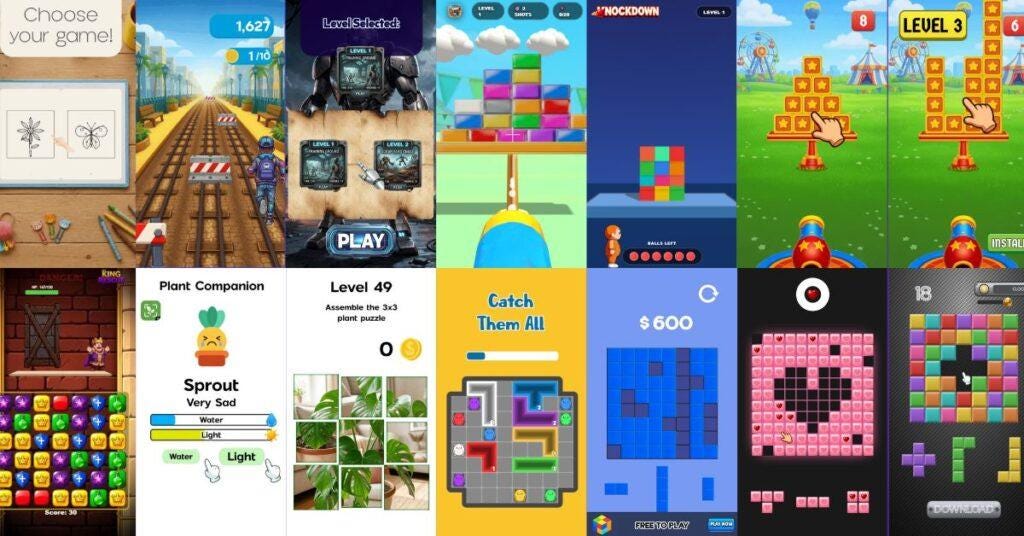
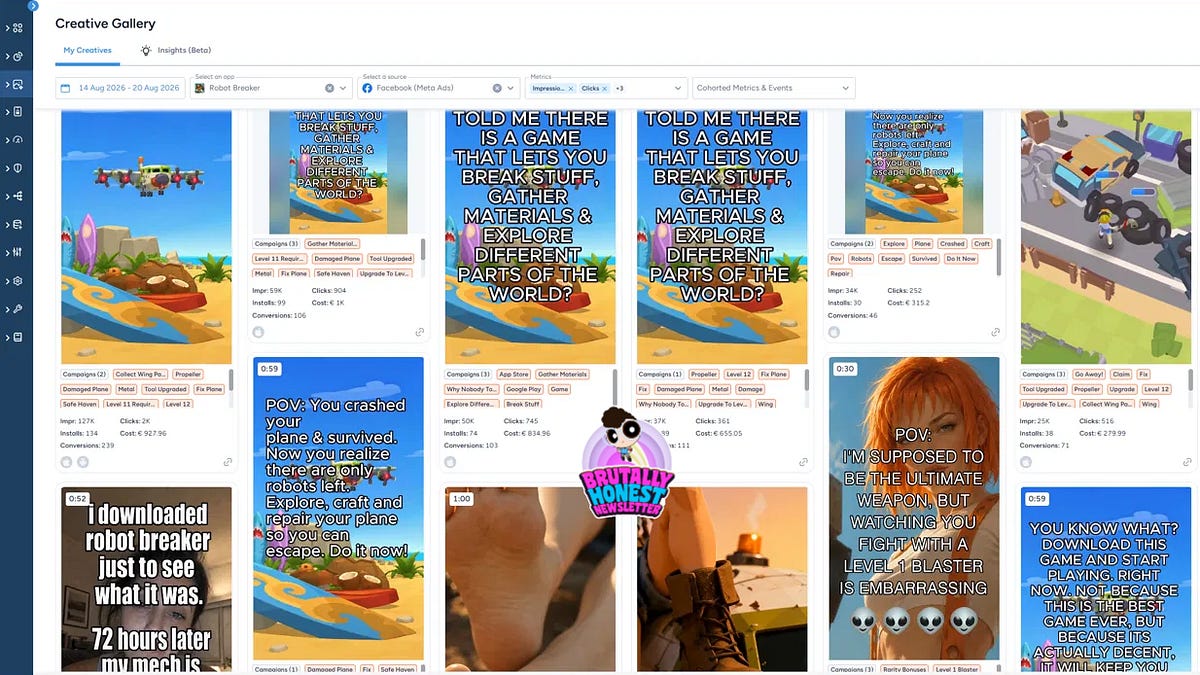
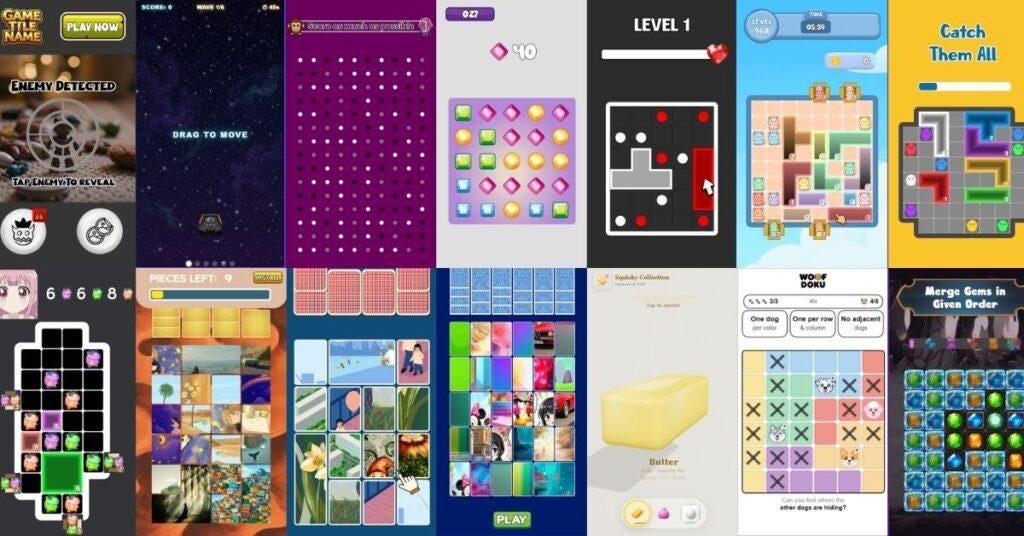
The analysis further identifies a significant shift in creative trends, with playable ads now accounting for 40% to 60% of creative spend. The integration of AI in playable production has enabled rapid iteration, allowing developers to test various mechanics and art styles systematically. Notably, Meta’s Reels placement has quietly begun supporting interactive playables, presenting a significant opportunity for advertisers to capture early, cost-effective inventory.
Methodologically, these insights are derived from industry-wide observations, real-world account performance data, and comparative analysis of UA metrics across major platforms like Meta and AppLovin. The findings underscore that successful UA management is a dynamic process requiring quarterly adjustments based on localized LTV data and evolving platform capabilities.
Brutally Honest · 2026

Brutally Honest · 2026
Brutally Honest · 2026
Brutally Honest · 2026
Brutally Honest · 2026

Brutally Honest · 2026
Brutally Honest · 2026

Brutally Honest · 2026

Brutally Honest · 2026
Brutally Honest · 2026
Brutally Honest · 2026

Brutally Honest · 2026

Kochava · 2025

SocialPeta · 2024

SocialPeta · 2023

SocialPeta · 2023
Tenjin · 2023
AdQuantum · 2022
Tenjin · 2022

SocialPeta · 2021
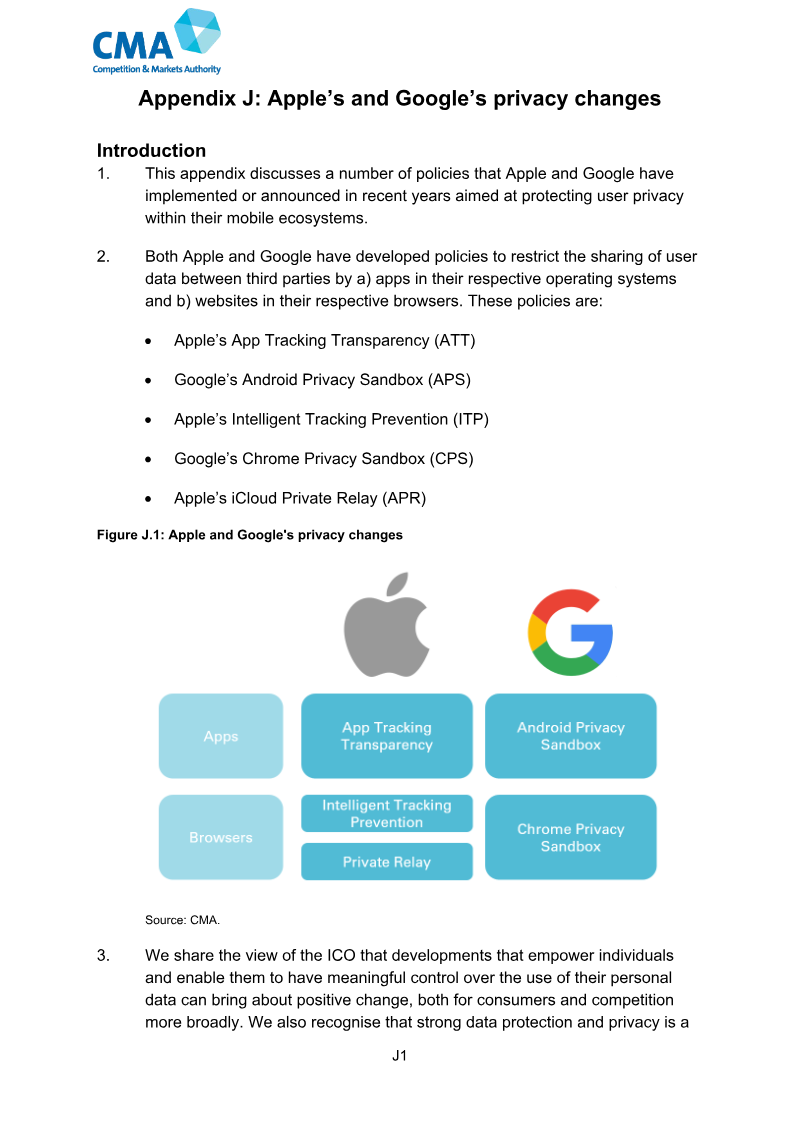
Competition · 2026

Almedia · 2026
Gamesight · 2026

InvestGame · 2026