The revenue splits evenly between in-app purchases and ad revenue.
They have transitioned from a secondary format to a foundational element of high-performance UA. This is particularly true when integrated into video-led funnels and AI-driven creative workflows.
The platform utilizes AI to automatically map events and data models. It manages product features alongside LiveOps and monetization.
Advertisers should prioritize vertical MRAID builds to capitalize on early, lower-cost inventory. This placement is evolving as the inventory shifts.
This industry newsletter provides expert analysis on mobile user acquisition (UA) and creative strategy, focusing on the evolving landscape of playable ads and monetization in the post-IDFA era. The primary thesis emphasizes that playable ads have transitioned from a secondary format to a foundational element of high-performance UA, particularly when integrated into video-led funnels and AI-driven creative workflows.
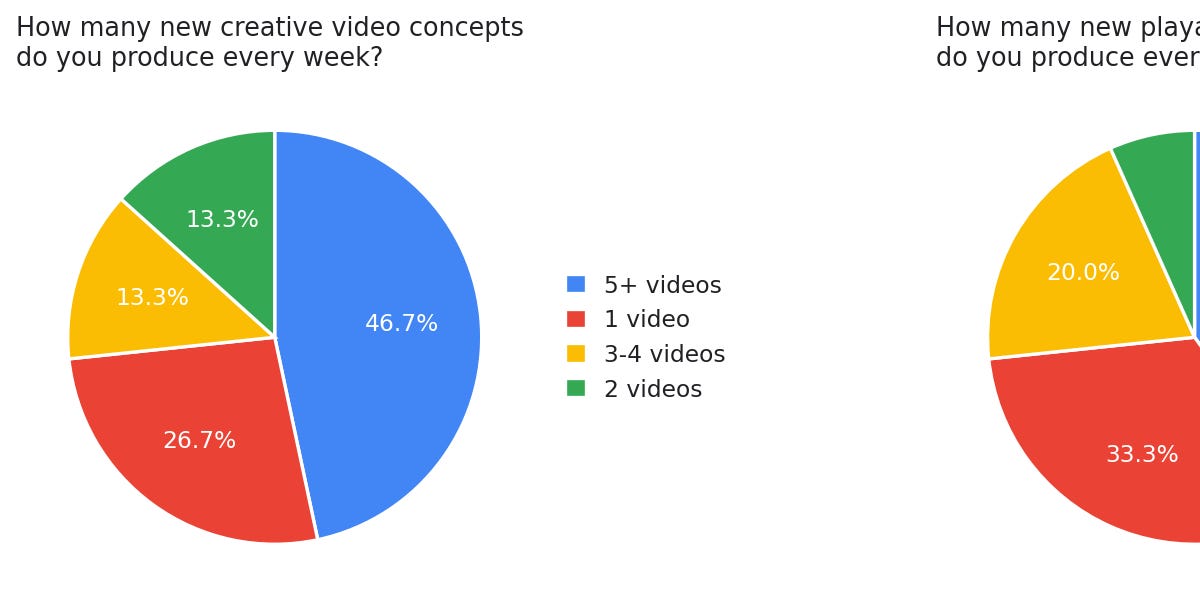
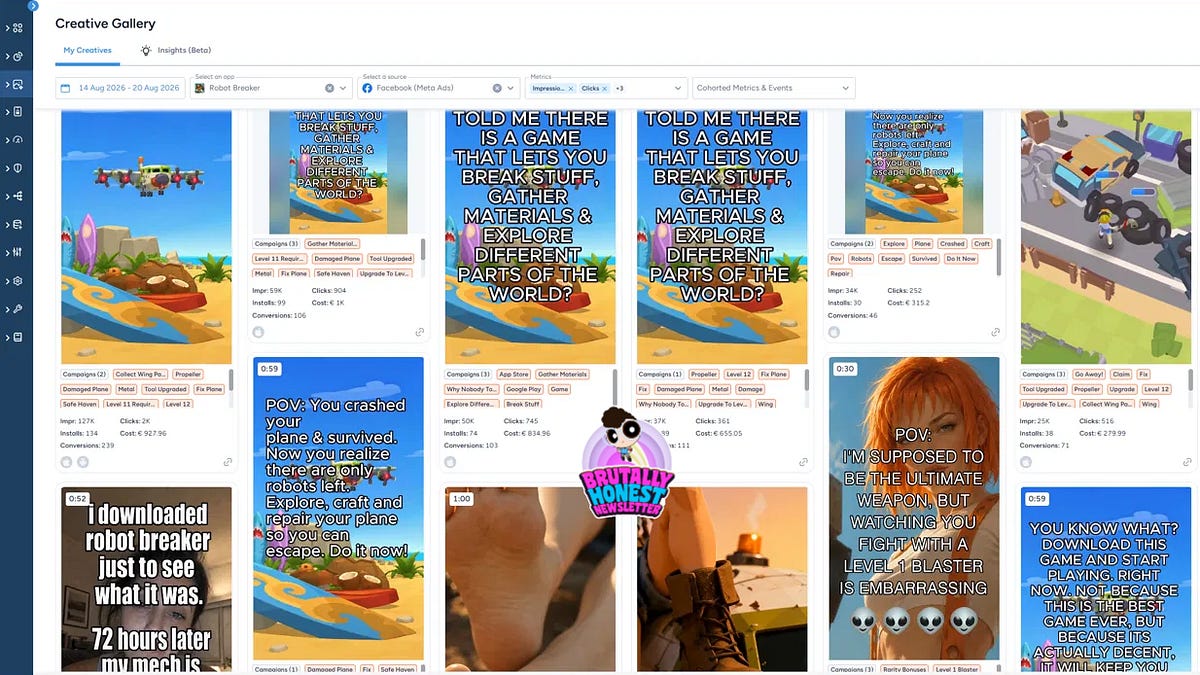
Key findings highlight the emergence of interactive playable ads within Meta’s Reels inventory, a significant development for advertisers given the platform's scale. The analysis also examines the success of the idle RPG title XP Hero, which generates approximately $500,000 in daily revenue through a combination of aggressive ad placements and creative arbitrage. By adopting and adapting successful 4X strategy game creatives, the developers achieved high-volume output—producing roughly 1,300 creatives in three days—demonstrating the efficacy of AI-assisted production and cross-genre creative borrowing.
The scope of the analysis covers global mobile gaming trends as of August 2026, with a specific focus on tier-one traffic markets. The methodology relies on professional observation, industry case studies, and performance data from platforms like AppLovin and Mintegral. The content serves as a strategic guide for CMOs and UA managers, advocating for the use of specialized tools such as Kinoa for real-time LiveOps and Layer.ai for iterative creative development. Ultimately, the industry outlook suggests that success in 2026 requires a rigorous, data-backed approach to creative volume and the strategic integration of interactive ad formats to maintain competitive growth.