This industry analysis provides a mid-2026 update on the mobile game user acquisition (UA) landscape, focusing on shifting creative trends, network performance, and monetization strategies. The primary thesis emphasizes that successful UA in the post-IDFA era relies less on channel diversification and more on format depth—specifically the strategic use of playable ads—and the integration of hybrid monetization models.
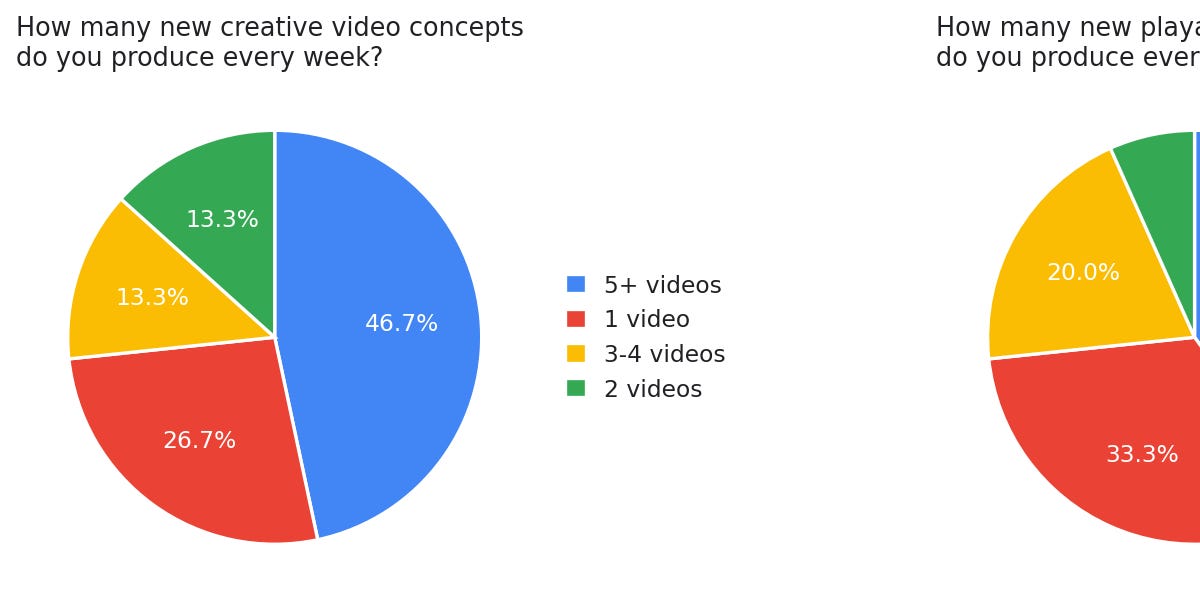
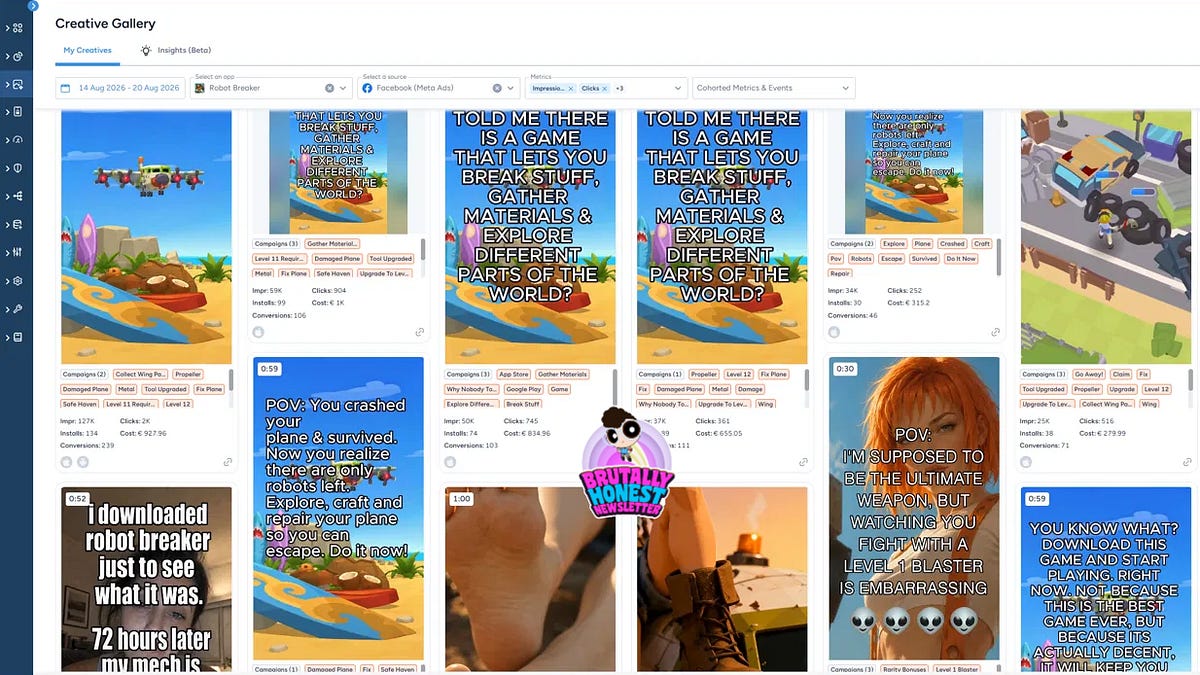
Key findings from the H1 2026 UA Landscape Survey indicate that while UA teams frequently manage over ten channels, budgets remain heavily concentrated within Meta, Google, and AppLovin. Notably, AppLovin has emerged as the leading iOS channel. A significant portion of the industry, roughly 53%, reports zero spend on TikTok, suggesting a broader struggle with measurement and attribution across secondary networks. The analysis highlights that successful scaling is increasingly driven by AI-generated creative pipelines, with top-performing studios producing thousands of ads monthly to maintain engagement and optimize transitions into gameplay.
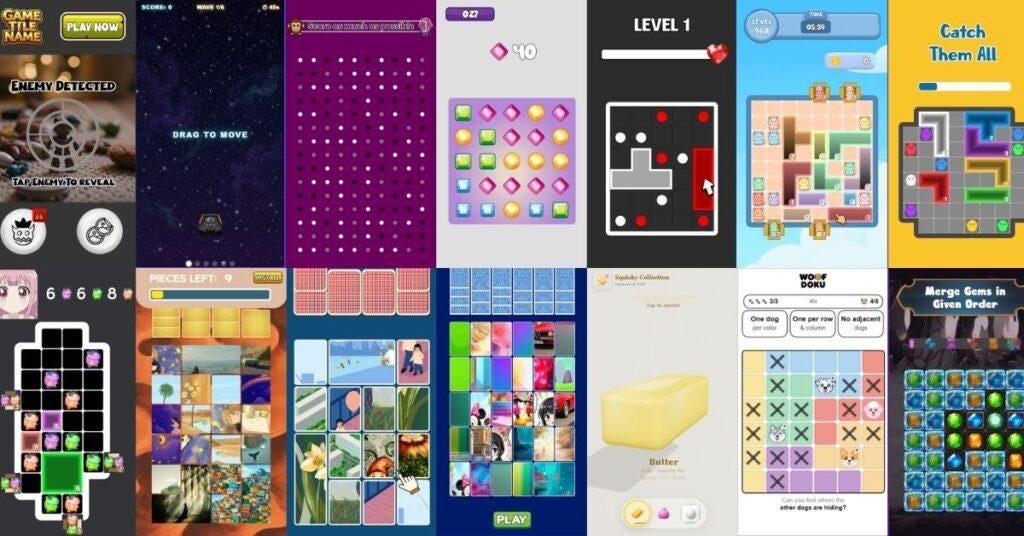
Methodologically, the insights are derived from industry-wide survey data and performance observations of major mobile titles. The analysis advocates for a structured UA sequence: prioritizing format depth (statics, videos, and playables) before expanding into SDK networks, provided that measurement infrastructure is robust. Furthermore, the report identifies revenue mix diversification—specifically the adoption of hybrid IAA and IAP models—as a critical de-risking strategy for developers. The findings suggest that the competitive advantage in the current market belongs to studios capable of high-volume creative production and efficient, data-driven LiveOps, rather than those relying on larger teams or increased budgets.
Brutally Honest · 2026

Brutally Honest · 2026
Brutally Honest · 2026

Brutally Honest · 2026
Brutally Honest · 2026
Brutally Honest · 2026

Brutally Honest · 2026
Brutally Honest · 2026

Brutally Honest · 2026
Brutally Honest · 2026
Brutally Honest · 2026
Brutally Honest · 2026
Tenjin · 2022
AppLovin
Competition · 2026

Almedia · 2026
Gamesight · 2026

Sensor Tower · 2026

Modern Times Group · 2026
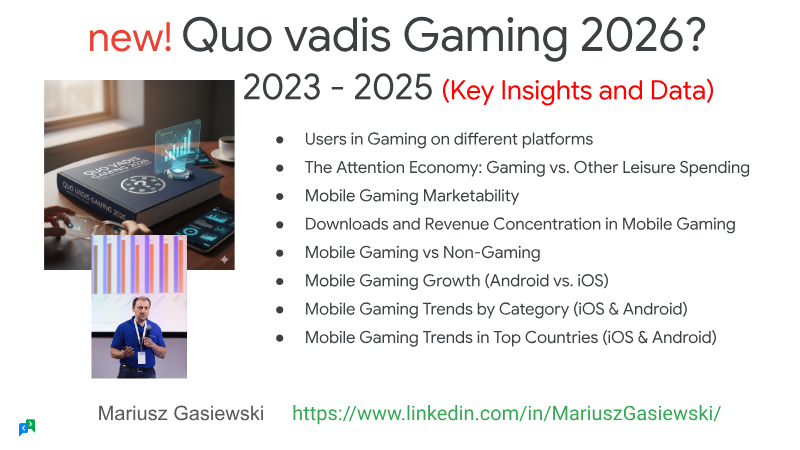
InvestGame · 2026

Adjust · 2025

Adjust · 2025
AppsFlyer · 2025
Moloco · 2025