1 free read left. Create a free account for unlimited reading + AI research.
Create free accountArticle Game World Observer
1 free read left. Create a free account for unlimited reading + AI research.
Create free accountArticleGame World Observer
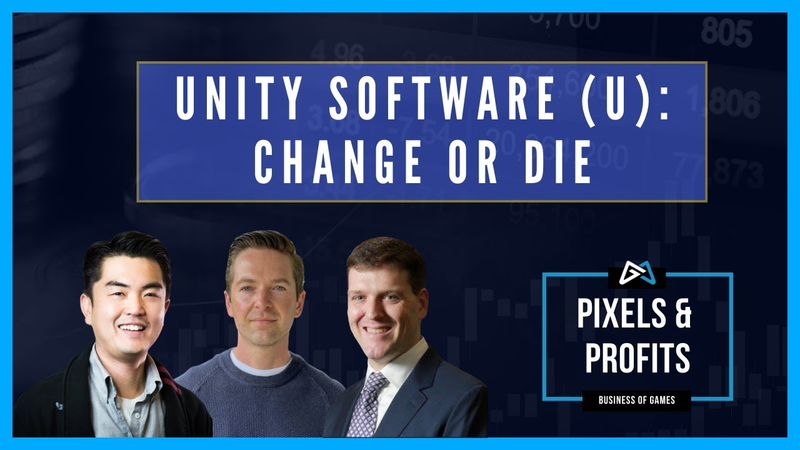
Unity is currently overhauling its controversial Runtime Fee pricing model following significant backlash from the global game development community. The company is responding to a widespread revolt, which included an open letter signed by over 400 companies and the suspension of Unity-based monetization services by major publishers. This pivot represents a strategic attempt to restore developer trust after the initial policy announcement was widely criticized for its lack of transparency and negative impact on the industry.
Proposed adjustments to the fee structure include capping the financial obligation at 4% of revenue for games earning over $1 million. Furthermore, the company intends to eliminate the retroactive nature of the policy by only counting installs generated after January 1, 2024. To address privacy and implementation concerns, the company plans to move away from proprietary tracking tools in favor of self-reported data from developers. Leadership has acknowledged that the original rollout failed to account for critical edge cases and did not align with the company's intended goals.
The scope of this policy shift focuses on the global Unity user base, with executives noting that the revised model is intended to target high-revenue customers while leaving more than 90% of the user base unaffected. While these changes remain subject to final approval, they reflect a broader effort to mitigate the damage caused by the initial announcement. The company has publicly apologized for the disruption and is currently working to finalize and communicate the updated terms to its partners.
The games and companies this document names on the inner ring, other documents about them on the outer one. Select a cover to see it up close and open it in a new tab; drag to move, pinch or Ctrl + scroll to zoom.

Game World Observer · 2026
Game World Observer · 2026

Game World Observer · 2026
Game World Observer · 2026
Game World Observer · 2026
Game World Observer · 2026
Game World Observer · 2026
Game World Observer · 2026
Game World Observer · 2026
Game World Observer · 2026
Game World Observer · 2026
Game World Observer · 2026
The Game Business · 2025