1 free read left. Create a free account for unlimited reading + AI research.
Create free account
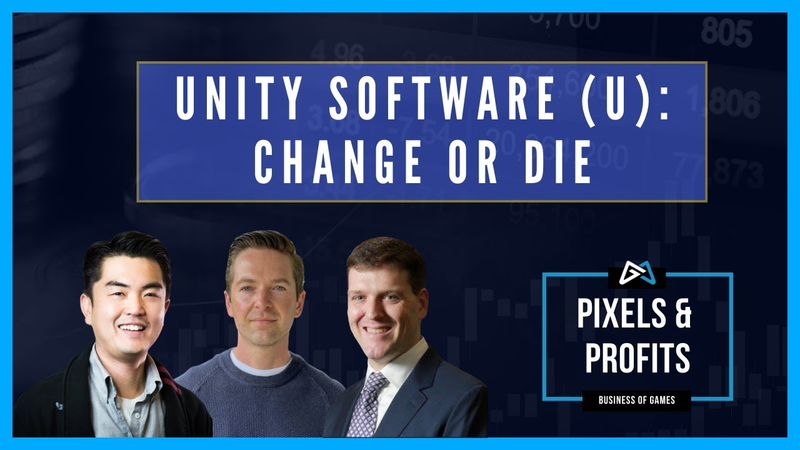
Unity Software (U): Huge Problems, Negative Outlook, Big Changes Required
Key insights
6 takeaways- 01The company’s core Create engine business has failed to generate meaningful profits, leaving the firm reliant on aggressive monetization tactics to meet short-term EBITDA expectations.
- 02Unity’s revenue model is now heavily dependent on its Grow segment, which accounts for two-thirds of total revenue following the acquisition of ironSource.
- 03Stock-based compensation has reached 38 percent of total revenue, resulting in significant shareholder dilution.
- 04Questionable capital allocation, specifically the underperforming acquisition of Weta Digital, has strained the company’s financial position and reputation.
- 05The controversial implementation of runtime fees has severely damaged developer trust and increased long-term churn risks among the core gaming community.
- 06Unity faces intense competitive pressure from rivals such as Unreal Engine and AppLovin, necessitating a strategic reset to address structural inefficiencies and stagnating technical execution.
Ask AI about this video
Transcript
hello everyone welcome to pixels and profits we are back it's been a little bit uh since we have last spoken and today we are going to do a little bit of a deep dive into unity's business and discuss the outlook for the company especially in light of a lot of open questions and recent news especially the pricing changes which we'll get into but I thought we could kick it off with a high level overview of unity's business and again we we're you have myself Joseph Kim Matthew contraman and Brian peganov aka the pixel Brothers today's episode is sponsored by datadot AI to access estimates rankings downloads Revenue usage or engagement for millions of apps on the App Store and Google Play sign up for data.ai but uh and guys feel free to jump in as as I talk about the high level of unity's business just to set the stage for our audience but
um the way that I think the simple way for our audience to understand unity's business is that it's really two parts Unity kind of describes themselves as a real-time 3D the world's leading platform to provide real-time 3D development tools I I don't know how much of the real-time aspect is in there it seems a little bit more of a buzzword thing but anyway that's how they describe themselves but the business itself actually is comprised of something that they call one one segment which is create in the other segment which they call grow now on the create side it's basically a suite of developer tools and services the main component of this is the application development framework Unity engine which is the thing that most people are familiar with and I won't go into the details of it but there's a lot of other stuff as part of Curry parsec which is tools for distributed teams sync sketch tool that enables visual communication Ziva speed tree there's Unity asset store there's also
like services for like devops like a CI CD which is continuous integration continuous deployment kind of tool Version Control tool they've got multiplayer Solutions stuff like multiplay which is server orchestration there's Matchmaker there's the many doomed attempts at netcode Solutions um relays game server hosting they've got voice text chat Lobby they've got also data analytics which was Delta DNA solution so just to kind of summarize it all up on the create side you got a bunch of Dev tools the primary part of which is the unity development framework and an important note around that framework is that 70 of the revenue for Korea comes from gaming so Unity is actually highly dependent on the gaming industry and one of the reasons why I think when the game industry kind of went up in arms around the pricing changes uh they
they're kind of they're kind of forced to respond because so much of their business does depend on gaming okay on the uh oh just a quick note on create they will also have a couple of AI products uh Muse and census there's not a whole lot of information on that they're also trying to switch stuff to Unity Cloud which is a platform I believe is mainly to help them monetize licenses easier but anyway there's that coming up within create and then let's talk about the second part of the business which is grow and grow again at the high level and just kind of simplify and summarize here is a collection of ad-based products and it's game publishing business which often some people forget about so grow includes ad mediation ad networks and AD exchanges from unity and also from its acquisition of iron Source they've got the old tap Joy offer wall products and again a supersonic now I think the one key product to
understand that is part of Virgo is the ad mediation product level play now some of you may have heard about level play because of all the the stuff happening with the unity pricing changes but just so you understand it's an ad mediation product meaning an ad mediation product that's basically an SDK product that allows a publisher or game developer to manage multiple ad networks so it controls kind of the inventory that's seen by players of a game in terms of the ads that they see and you can kind of set floors and ceilings and you can kind of like manage the pricing and things like that with the admediation product now another important thing to understand for the audience is that Unity was getting their ass handed to them in ad mediation by applevin so they've got this product called Max and Max was just destroying it was taking up a lot of Revenue and a lot of the market and so um we'll talk about pricing later but
you know it is reasonable to believe that part of the pricing change that was initiated by unity was part could be speculative partially motivated by trying to bundle sales like trying to get a lot of their customers to switch from Max to uh to level play and the tricky part of that is that tie-in sales or bundling sales is actually illegal but that's the high level overview let me kind of stop there Matthew Brian did I leave anything out is there any other way that you would kind of characterize any of unity's products or services that they offer you hit the big ones the important ones there's things like multiplay which is also I think part of grow which used to be called operate and um you know that's like you know it's used by Apex Legends even though that's built on unreal right so there are things inside of their business that are used beyond the unity engine but uh you hit the most important pieces for sure
in terms of dollars because you know I'm I'm on the profit side and that's p-r-o-f-i-t that's not h-e-t I'm not a prophet that way um you know at IU noted and you put in our in our notes the 2022 financials but remember that only included about a month of iron Source right so um in 2022 uh you know Revenue was was slightly in favor of create versus grow um you know create with 716 million of Revenue and grow with 675 million but that only included about a month of iron Source if we look at the second quarter of 23 which includes it's a full quarter of iron Source right um create was 193 million dollars and grow was 340 million dollars so it's it's uh it's all it's almost twice as large now um okay instead of being about 50 50 it's about two-thirds and one-third now uh and so this is much more of a business at least from a you know revenue and profitability perspective particularly profitability because the
engine business makes no money um is entire you know it's it's largely driven by admon and their ability to be with app Lovin for as you said mediation right and maybe one thing to underscore there is also just the one thing that Unity has been doing well not necessarily profit because I don't think they've shown a single profitable quarter but Revenue growth so from 2020 um revenue of 770 million 21 1.1 billion 22 1.4 billion and uh to your point Matthew will will likely see greater contribution from Iron Source in 23 so on that side I think there's there's you know they've been doing well and maybe we could discuss this because I one of the problems I do have with um what's been happening at unity and is kind of a product of the zero interest rate policy environment the zurp environment that we've been part of is
just Revenue growth and and so I feel and you know we could talk about now or later but I feel that uh management has been a little bit too focused on Revenue growth and not as focused on creating value for their customers which kind of leads me to uh this other key metric that um that Unity likes to focus on which is dollar based net expansion rate before we jump into that uh Brian any thoughts yeah I think if you're talking about Revenue growth historically for Unity I think you also need to divide up where that was a moment in time again um they had just recently ipoed I believe in 2021 Matt correctly I'm wrong uh they also benefited from you know lockdowns and covid pandemic era because there was a huge proliferation of mobile gaming over that time period that was fueled by the non-zero interest rate phenomenon right a lot of new entrants
into the space UA was uh relatively easier because there was more organic users more people were spending times at games and spending money on those games but since that has lapsed and preponderance of their kind of new user flow into that engine's ecosystem was from the hyper casual Arena which has been hit precipitously hard over the past you know year or so and it's probably like the the biggest target of this price Delta increase because it drove the vast preponderance of download growth for the industry over the past three or four years I think that's probably all that at that point but I know you want to go into uh some metrics around retention so that would be good but I'll bring it there I just want to jump in you know this is the kind of look at it how it's growing on a pro forma basis so as if iron source is part of the business the whole time the create business grew 17 um in the second quarter and subscriptions were up 22 if you remember and Brian you just mentioned it they did price increases at the end of last year
and that's slowly been filtering through the business they will get a Tailwind from that for a few quarters but if you take that out and you look at the grow Solutions the admon is only up seven percent um it went back to growth for the first time in a while but only seven percent so if you look out a few quarters into sometime next year subscriptions aren't going to grow 22 year on year once the impact of the price increases is is flowed through um you're looking at a single digit Growth Company that barely generates any ebitda they're targeting 2 billion of ebitda by the end of next year that was part of the rationale for the iron Source deal was simply to get more profitable because iron Source was at least a profitable business on an ebitdabasis um that is that is that is a very difficult story to tell and so when we start talking about the price increases and kind of the rationale the AI story fell on deaf ears they tried to they tried to tell the market
that they're an AI company you know last quarter right who doesn't have an AI story everybody talking about AI tools and nobody bad to divide I didn't really move off of that they need a story for 24 to keep the market excited um price increases on the admin side through level play through monetization growth um is is is likely why they're thinking about it now right just to add to your prior comment Joe about uh Revenue growth being a main motivating factor for companies and we're seeing this across all of TMT all of consumer products right like how many price increases have you got on your OTP products like your video on demand products for the past six to eight months Spotify has done it Netflix has done it um we just saw fortnite raise prices on V bucks a couple days ago right it's like everyone's trying to monetize an existing audience better because they're lacking audience growth and it's also a hard environment to acquire a new users so the easiest way to take price is to crank up the lever and we're seeing
varied reactions to that across you know again all of Tech yeah and I I think just to underscore your point Brian about being in a different environment I think that's something we should talk about a little bit later on as well but I I do think it's important for our audience to understand we are in a new world uh there was a bunch of this covid growth in gaming we're not in a free money environment anymore and so the the metrics in kind of like the focus of management in my opinion has to shift and I think that some management teams at certain companies that have been operating in a certain way in in unity's case I would argue that they're basically spending a lot of time with bankers and management Consultants on how do we drive Revenue growth and uh um and I think that this next metric that we'll talk about in my opinion is one of the symptoms of this kind of mentality and I and you know actually
Matthew had mentioned to me that a lot of SAS companies focus on dollar based net expansion rate but let's talk about this and so um this is a metric that Unity if you if you go through their financials highlights a lot and that they have been measuring themselves against and dollar based net expansion rate this is basically a metric that tells you how much additional money can you get from your customers on a year or over your basis and I believe that the implication of focusing on this metric from Unity is that they believe in my opinion that there they have been under monetizing their customers and that they believe there's a ways you can go and so in 2020 this metric dollar based net expansion rate was 138 meaning they were able to generate 38 more Revenue per customer than before 2021 140 and 2022 it then dropped to 116 percent
and so what we've seen is we've seen a little bit of a dip and I guess the point that I want to make is that if we are in a different environment I actually and I'm I'm gonna I'm gonna go out on a limb here and hopefully I don't make too many enemies at Unity but I think that the way that management has been thinking about their business is going to have to shift from not how much money can we extract from our customers but how much value can they create for their customers right and so you know as an example if you look at and I I know Elon Musk is a controversial figure some people like them some people don't but you know he clearly states the number one metric for Twitter now X is unregretted user minutes it's not how much money can we make from our users it's how valuable can we create an experience for our users and maybe I can get your feedback on this as well but would you guys agree
with me do you guys think that we are in a different environment maybe we talk about that now and is a current management team set up to kind of compete in this new environment and with in my opinion what is required of a different philosophy in order to be successful it's the existential crisis of subscription software right the land then expands strategy only works as much as the end markets are growing and people are willing to reinvest in new products but at the same time you're never going to monetize a significant share of the End Market Tam to justify significant valuations on a pure subscription model whereas if you have something that scales with volume a volume based pricing strategy right you know I think Shopify right Shopify is a volume based pricing uh software company right they sit in between e-commerce and payments effectively right and they kind of manage stores for for sellers online
um if if you're volume based then you do scale at the End Market as the End Market grows you're taking a share of that but this happened to Unity when this is why the dvne went down in 2022 when the End Market declines and your revenue is based on End Market uh that means your Revenue goes down uh from for at least you know we saw that in the grow business the admin business right so um it's kind of the the damned if you damned if you don't where if you want stability and you want a pure SAS business you're always going to be limited by price increases or seat growth those are basically the only ways to drive growth um and and to your point it's based on how much value you generate for your customers and any upselling possibilities you can do on the SAS or you go after a volume base and you take the volatility that comes with it yeah I think Matt hit the nail on the head and if I were to just extrapolate your Twitter example a bit so if Twitter's outcome is to increase uh you you know minutes spent um a direct core there with unity would
be the most active and robust and large user base they could possibly uh have as an outcome and I think you know for software that boils down to a few different things one is certainly the End Market that we just talked about like how healthy is that is that growing um the second is more around how do you widen the funnel for users like how do you make this product easier to use easier to pick up you know removing errors and workflow issues like how do you make this applicable to a larger audience and you know just my feedback from developers over time and John you have a much more Nuance depending on this than I do um the the price hikes have been less they have a little bit of a bitter taste because a lot of developers feel like they haven't kept up that end of the bargain right like Unity has built this reputation and it's ease of use characteristics around the community not for it necessarily uh and so if developers run into issues where they're trying to figure out a problem or if there's something in place there's like a deep Community Forum there's a lot of folks that are willing to help and that's what kind of got alienated that's what's more concerning to me about the
the direction of the business because if without that your usability and ease of use goes down quite a bit and that you know tapers your funnel quite a bit as well so you know it you can make the case that Unity might be as large it's going to be from a user perspective you know two weeks ago which I think is not a good setup for a stock necessarily right um I think maybe it's part of the reason they continue to push the narrative about their growth Beyond gaming right because if they're if they're I mean metaverse is a long-term thing that people are building to and it means a lot of different things to a lot of different people but digital twins is a real thing there are companies out there using Unity that are non-gaming companies for a while they were giving it away for free and just saying hey X percent of our users are non-gaming now they started charging them and haven't seen material amounts of churn yet but it doesn't mean that there won't be or there just won't be the seat growth in those businesses for
example an auto company that's using Unity to to do design instead of doing it in Autodesk or adobe you know you kind of made a joke about real time but real time versus static 3D design effectively right designing elements in real time versus static 3D um you know there's a there could be pauses and minuses to doing either way but at some point if it's going to cost you too much money you're gonna you're gonna opt for the cheaper option or the more cost effective option right uh and and unity is increasingly competing with ansys Autodesk Adobe Etc Cadence Design uh and you know in these in these markets where previously there really I mean there really wasn't competition for mobile unreal has started to be there but you know JK you kind of said it unreal is not built for mobile and it's not scaled especially when you're thinking about you know the majority of devices in emerging markets that aren't leading hedge iPhones with leading processors right there's a you know so I think when you when you think about unity's position in gaming it's it's
strong because there isn't really a plan B for a lot of people um but that's why they've been trying to grow Beyond to show any growth potential and it it's kind of just been flailing yeah I think that just just to uh provide a little bit more context in terms of unity versus unreal at least in the mobile context I do think you can make a performant game using Unreal in 44 mobile but it's a lot more difficult and it requires more technical expertise and sophistication to optimize those games and so like for example Pub G before it was banned was in unreal in India but you know it was not it did not have the full support for like a low lowest end devices um and so yeah that's that's just like the trade-off that people are going to have to try and understand I do think that um competitively in the future there there are things I I'm I'm hoping to see from from unreal where they'd
make it a little bit easier for for mobile developers but um I I do think we should talk about the pricing changes and I I think we should also probably have a bigger discussion in terms of the outlook for Unity and maybe the current competitive environment but before that maybe we could just close the loop on the unity business itself and a couple other things we should probably talk about is uh the unity China business and stock based comp uh Matthew you want you want to run us through Unity China because this is something that I I know a lot of people are not aware about it kind of went under the radar when they announced it in August 2022 because they announced a whole slew of things at that time they announced a partnership with Microsoft for Unity is now available on Azure right so they they put out like 12 press releases at once and this was the 12th of them um but you know for you know for me this kind of stood out so they they actually spun out their entire China business excluding the ads business because advertising in China is just weird and
we don't have to get into that but they spun out the most of the China visits into a new joint venture Unity kept 50 plus one vote so they still keep control and they consolidate the business but basically everyone in China that's involved in Tech or Internet or consumer entertainment except for tencent bought a stake um so bite dance mihoyo uh I think Netties was in there pretty much everyone but 10 cent because 10 cent owns a large chunk of Epic and unreal right uh pretty much everyone else bought into this joint venture um my take on this at the time was this was actually targeted more at Unity trying to gain share for digital twins with soes and government customers in China because this was right around the time they were waking up to the metaverse and thinking about how it can how digital twins can can be efficient for the government and there is no 3D you know domestic 3D engine of any you know of any scale right most developers there use Unity or unreal and so um you know they they saw this as a way to yeah we'll get relations with existing gaming customers but we'll also
you know by selling Stakes to local Partners you open up the soe and the government route for digital twins so I think that was a big driver there um hasn't really been a shift change in the games business for them in China 10 cent was already kind of going all in on unreal anyways um you know they own well they owned at one point forty percent of Epic and I think it's been diluted a little bit since then but it's still probably what north of 35 at this point um and just seeing this probably you know only solidify their course but they were already on a course to kind of go all in all in an unreal anyways um and and didn't see them not participate obviously made sense and you know it makes sense and now they go all in on unreal because you know everyone else their competitors own a stake of unity China right and maybe just to provide a little bit of context and just to be clear to the audience this is all kind of speculation and rumor but the word on the street is that uh you know there was a good relationship between tencent and unity prior to 2022
but in early 22 something happened between the unity China team or unity and tencent and so tencent effectively blackballed unity and I think that and then after that you know apparently management fired everyone in China on the unity side because of the tencent issue but also just kind of speaking to like this JV and all these other game companies kind of taking a stake in it is because they're you know again speculation rumor is that you know these companies wanted greater control of the product roadmap and the direction of the company they did not trust the current management so expectations built in unity that's right and tencent made that that was 2019 so that was before this kind of this dust stop that kind of LED 10 Central all in an unreal but you know and then you saw pubg is unreal uh the domestic version Peacekeeper is unreal right so they have started shifting it was yeah for a while they let the
studios decide what they wanted to use so light speed um used unreal and Timmy was using Unity but they they cut that off yeah yeah no no view on the speculation for what it's worth but the uh the theme makes sense right because I think over the past few years we've seen the tendency of larger Publishers AAA Publishers to use external engines for the first time in the history of the gaming industry but that's this might you know call that into questions predominantly around the price rate increase as well okay 10 cents a huge customer to get I mean that's a pretty big loss if I was the case huge huge they have a lot of the mobile market right so let's talk about something very interesting and one of the biggest bones I have to pick with unity's management team and that is stock based compensation for I wouldn't say for employees for management for Jr in particular uh Matthew you want to kind of characterize that for us
yeah um and then I'll flip it to Brian after you know he's got thoughts as well so that 2021 2022 crop of IPOs of consumer attack entertainment software companies that went public they were not ready to be public companies and they all came out their cost structures were inflated they were focused only on Revenue growth like we were talking about with unity and among that cost structure that was inflated to stock-based compensation which can come in many flavors and forms options rsus psus whatever whatever it is um all of that is bad because that's dilutive to existing shareholders if you bought Unity at the IPO not only you're underwater on price but they've diluted the equity outstanding it continued to issue more stock through stock based compensation so even if the stock price was flat your ownership stake in the company gets diluted and goes down because there's more stock outstanding and for a lot of growth companies there's a trade-off you know in this
environment in this day and age and you know maybe in six months this will change and stock won't be necessary to attract talent because the economy is softening but you know for a long time you had to use your Equity currency as a retention tool or as a way to attract talent and no one debates the merits of that it's the scale to which you do that for Unity in 2022 stock based compensation was 38 and a half percent of their revenue and in the first half of 23 it was 31 of Revenue so they're spending a lot of money on handing out free stock to employees right and you know Brian I'm going to jump the gun on you but you know you noted it and it's a good point that stocky compensation for a company like this should be round about 10 at the high end maybe a little bit lower than 10 maybe High single digits so we're talking triple the amount that people would expect because what you really want when you see a company giving stock based compensation you want to see a path to cash flows to positive free cash
flow so that the free cash flow they can eventually buy back stock and offset the dilution if you look at a company like EA one of the most impressive things that they've done in the last honestly decades since you know you know since since they've really like right right size their financial management they just bought back stock consistently they've more than offset dilution so they've actually reduced the shares outstanding in the market quite substantially over the last several years um that's good for shareholders that means that the the Investments they're making with their Equity pays off because they're generating enough cash flows to cover that dilution and I'll set it right um and if you just kind of look and you say well unity's market cap is X I mentioned this last time we talked about Union there's 90 million shares of stock that's excluded from the calculation that if they were to ever make a profit on an EPS basis 90 million more shares get added to the calculation for EPS so there's a lot of stock outstanding from convertible bonds from rsus from from psus that that isn't in that calculation
of shares outstanding yet uh and and you know not here to debate the Merit of specific compensation or agreements Jr has sold a lot of stock in the last several years people mentioned that when when the news about the price increases came out but at the end of the day these types of deals for execs for you know key employees for stock based compensation are a necessary evil and you know I think a lot of stock analysts accept that it's the degree to which you do that and for a company like Unity you know this is a this is a case where it's clearly more than the degree to which is expected and that's what's worrisome and until they can rein in their compensation and dilution to existing Equity holders it's really tough to say that they've that they've really strangleholded all of their expenses including stock-based compensation yeah I think this would be a little more palatable if uh Unity was architected a bit more like a high growth SAS company that it's trying to emulate um as you noted generally investors want
to see SBC like one half to one-third of the ratio of unity is like at most um but you'd get some flexibility around like a multi-year rule of 40 name like a workday or service now or adobe or CRM Salesforce back in the day so some flexibility but the multiples in that space are also way higher right you get 15 times throughout your Revenue at least depending on the market environment and backdrop versus Unity more in the mid singles range so those companies we've just mentioned scale into the 5 billion plus Revenue range after a period of Rapid scaling well the successful ones do anyway and then many exit to an acquirer like again like Salesforce or adobe or Microsoft or Amazon the the problem that Unity is facing is that Revenue growth is like high single digits in the software business the most recent quarter after taking price the prior year and again this is before the pricing announcement which we still haven't covered somehow uh so like how we refer to uh the deal that Activision made for for King right
they took a uh eventually over time like a console and PC multiple on Qing uh but that's the exact opposite happened here right like Unity by an ad tech company hoping to ramp into a SAS multiple because of that because it's repeat of what's occurring whatever uh but ended up being valued wholly as an ad to a company including their software business so like you know long story short the Quantum of SBC paid to Unity is too high relative to the growth and health of the business which is you know again why it's such a big highlight yeah and I think for me I I saw a tweet from one of our one of the friends of our podcast here Dr sir Khan Toto who I'm a fan of in this tweet it mentioned that I think Dr made 420 million dollars with Insider stock sales in the last three years I I haven't confirmed that but wow you know for a company that has not shown a profitable quarter it has highly negative free cash flow it's just like I don't understand who's minding the ship right it's just
like uh the board there is asleep in my opinion asleep at the wheel I think this is also I mean in this is an ESG conversation to a degree because this hits on the G the governance side but a lot of these companies don't have independent boards Jr is on the board of unity and he's the CEO he's not the chairman but he's on the board a lot of these companies there's a lot of cases our CEO is the chairman of the board or the CEO sits on the board and there's a lack of Independence in the other board members we look at the board members of unity a lot of them are either from Iron Source or you know they're they're friendly with the other board members and so there isn't Independence to to kind of you know firewall uh these compensation agreements and that's that's worrisome for for shareholders I mean you saw Exxon right there was a ESG fund that went after Exxon of you know what was this 18 months ago now and you know shot down board members and actually one of one seats on the board um because they were fighting against
you know a lack of Independence on the board right and so this this is worrisome if you're if you're you know ESG is a buzzword and it's gotten bastardized and abused in the investment world but these are considerations when you're thinking about executive compensation is there an independent perspective really thinking about how to structure compensation agreements for executives in situations where these same executives are on the board in some cases I mean this is not unique to Unity either both EA and Activision have have both had their fits and bouts with this but we have to remember again that those are nine billion plus in Revenue 20 to 30 margins uh launch multiple games per year and the uh the executive comp paid to those CEOs is a small fraction of what Jr gets from Unity they've also been public companies for much longer and they're much more mature in how they act you know Jr's compensation you know part of it was also granted pre-ipo right so a lot of that was you know to a degree he was a mercenary CEO right there's a lot this happens in a lot of
cases not unique to Jr you know people that have run public companies go to late stage private companies and sign these compensation agreements that says hey if you successfully IPO the company and it's trading you know X percent above the IPO price after so many days you get all this free stock like that that is very common um despite how it looks from the outside when they end up going and selling 420 million dollars of stock post hoc and for every one of those stories where there's a huge Grant increase there's you know 80 percent of those companies had it failing or whatever a number IPO or it gets sold for pennies so it's you know we tend to highlight those uh edge cases that end up working out for task as well for the CEO but uh forget about the um all the mediocre ones in between okay should we close do you guys have any thoughts on some of their M A activity I know there's been a bunch and that's been part of how they've grown I don't know if you guys have any thoughts on M A before we talk about pricing changes and other things yeah thoughts
um even pre-ipo Unity was a very acquisitive company and if you just go through kind of their S1 before the IPO you can see a lot of the deals they did they progressively went from small little Aqua hire tuck-in deals to you know buying larger teams and plugging holes in their product Suite to post IPOs some of these deals that make no sense not quite on the embracer scale of deals that make no sense but you know I think if embracer didn't exist and didn't do the things they did we might be talking about Unity as the craziest acquisitive company before iron torch I think iron Source actually made a lot of sense and we've debated that but you know if you look at some of the deals I did I mentioned multiply in the beginning multiplay was acquired right um you know they they uh they they have you know they've scaled up the deal since then but kind of when they came out and announced the wetted digital w-e-t-a I don't know if it's Wida or WETA or whatever you pronounce it but Peter Jackson's VFX company for a billion dollars made absolutely
zero cents right their stock was at its highest they issued convertible debt against that to pay this they issued Equity they paid whatever cash they had this was just a massive bet on real-time 3D penetrating film and video creation right you know we've seen the Mandalorian uses game engines right for setting the scenes oh like cool but spending a billion dollars against that made zero sense no one liked this deal and that was basically the top for the stock and then it went from in the 200s down to what you know 10 bucks a share or whatever right so iron Source made sense because their admon business had lots of holes they weren't competitive with apple oven particularly on mediation uh and on the publishing they needed what iron Source had to be competitive in that space you can debate the merits of being short-sighted focused on supporting the admob business and focusing on the business of today and profitability versus the long-term goal of growing creative software outside of
gaming but you know in terms of the near-term plugging the holes in the ship this was the deal that had to be done and it was structured in a way that actually made sense for them so I don't have too much to say about iron Source but the wet a digital deal just can they burnt a billion dollars and those converts I think I think the convert price is over 300 on those on those bonds that were issued like those are never going in the money never just never ever getting close to that yeah I think uh mostly agree I think the iron Source deal I tend to agree with you on that as well I think moment in time it looked weird right because optically that space was in a bit of a odd spot right like ad Tech in general um but they did successfully purchase a significant amount of Revenue and profitability uh which were two things that were really hitting their story pretty hard right so uh for the the time that that deal has existed it did change the fundamentals in the company quite a bit
um but you know it's it's hard to go back and say that was like a a great deal but it was necessary for sure all right things to say about iron Source than I do about what it is that's how I stack rank them and grade the deals yeah I think what a I believe returned a revenue source to Unity as well right there are some sort of long-term contract which is kind of like you're buying your customer them raising prices on them so I I it's it doesn't seem super scientific but um I'm not aware of the long-term plans for what a digital all right so maybe two other discussion topics now we can get into some of the meat of kind of what's happening today and the future is essentially let's talk about the unity pricing changes and the runtime fees right I can't believe it's taken us like an hour and a half yeah 30 39 minutes I think we I think we set the stage well we talked about how
did Unity get to where it is today yeah come out with this and that's important because what we've shown you this is a business that aside from price increases has struggled to grow um and the part of the business that's supposed to scale with the End Market the End Market isn't growing so I can't scale and it's under pressure from competition so what are they doing in response to that they're raising prices they're finding other ways to raise prices to offset other macro and Market pressures and the runtime fee is there's there's the financial engineering side to it and then there's the how they put this out in the wild side of it right they did a horrible job of messaging this the pr failed the conversations with customers failed all of that is well documented and you know we can talk about what that means from Saving Face for the management team when they change course but that was horrible but in terms of them looking at the business and saying we don't think the advertising Market is going to grow materially in the near future because of
all of these reasons we need to find a way to raise prices to grow our Top Line and extract more value from our customers because we believe that we're providing value to them that we're not fully monetizing that may be true or not but their analysis had to show that to them and so when they came out with this runtime fee it didn't seem like it was fully well thought out it seemed like it was created inside of spreadsheets with Consultants it seems like they didn't talk to customers they said they did but I think if they would have talked to any customer of any side they would have quickly realized it would have been very clear it would have been very clear right they could have talked to JK and they would have known very quickly how dumb this was Jr you know you know if you you should reach out next time before you make a decision you know so in in terms of the changes they made in capping the fees at two and a half percent of Revenue it's only on Games built on the next version of unity in the next version of unity launching next year all these things are more palatable and when you start to think
about is it also just a funnel for their mediation software level play and that they're going to give whatever term that's not going to legally get them into any trust issues waivers or you know credits or whatever whatever bundling they're going to do to to push people into level play um it starts to make sense but on the other side of the coin the financial Boost from you know I think Brian you you said it nicely the the original plan was a 13 out of 10 in terms of impact and when they walked it back it's not like a two out of ten um it's this you know it's it's much more marginal and it's not gonna have anything to the degree of impact on game makers and game companies and also for Unity than we thought it would when they first announced it think about the uh the selling points from all the gaming industry over the past few years or just gaming industry right it's like this 180 to 220 billion dollar industry depending on who you talk to it's growing um low low teens to Mid teens and some years or whatever else the result they came back with just kind
of like starts the chapter all over again like let's set aside that 200 billion dollar industry and we're going to capture a runtime fee on every game that comes out after that right so like you're starting from scratch I mean you're also bifurcating your software stack in a way that like you're um if you're listening to management they're saying they're going to support the year-end 23 build for the definite future right if you're if you want to stay on that version of software no problem um but then it sets up this new build for 24 plus it's like how do they induce folks that have a negative Financial outcome of upgrading to upgrade and that's a weird position for a software stock to be in or a software company to be in um not really sure how it's going to play out I think it's gonna be really tough right and I I just want to kind of highlight and underscore again for our audience why did we set up all the contacts and information because I do think that when you understand the
background and the historical context of unity then you'll understand why these pricing changes was kind of inevitable so you've got you know management team highly incentivized on stock price fixated on Revenue growth fixated on metrics like dollar based net margin expansion things like that um they're they're they're m a guys basically right and growth guys since and um also as I mentioned before uh Max was just killing them was destroying them and so part of why I actually believe that part of why the messaging was not as clear is again just speculation for me because they are trying to do something that might technically be illegal if they're trying to like get people to switch to level play from Max using the pricing as a credit or well I mean I you know I don't want to speculate too much on the legalities of it but it does seem a little bit fishy to me there's there's
ways to do it where you're not breaking rules and getting in trouble a lot of companies do that you know Cloud companies do that right it's like if you uh if you're an Azure customer but you sign up for Office 365 you get discounted rates on on pure Azure infrastructure right it's like you know so this this is you know this is kind of status quo and then kind of the SAS World um but no I'm with you when you think about kind of the setup for Unity and their ability to not just maintain Revenue growth but you know my first analyst that I worked with in research Brian you might add some more you know experience told me stocks are numbers with stories every stock needs a story to be attractive and there's no story for Unity in 2024 because the price increases on create are largely going to be passed through by the time we get to the middle of next year this is the story for next year it's price increases on on admon or its growth of level play and taking market share from from App 11 but you know I think they're manager kind of
neutered that down a little bit it it negates that to a degree I think management was trying to kind of think about how they're going to arm their sales force into taking meaningful share away from App Lovin and also growing Top Line of the business and so if you if you break down their first pricing solve or whatever they're introducing a new fee obviously but they're going to arm their sales people with this notion that hey like the new fee is not going to apply to you as long as you use us for ad mediation which seems like it's a you know pretty straightforward like you don't have to pay anything just use us uh but they they just didn't they misunderstood uh the complexity of going to game developers with that because game developers for over a dozen years have been under this assumption that I use Unity because it's really easy to use or whatever but after I launched my game I don't pay them anything incremental but that it's I was trying to figure out like uh a way to pour this into daily life but it's imagine if you're like you bought a toilet and then eventually they asked you they had to pay for per flush like it's it's not too dissimilar I know it's
low Burrows forever but that's the best thing I can come up with um and developers just kind of said no like it was it was in force too that I did not hear one supportive opinion from a single developer in the entire gaming industry about like oh this isn't so bad yeah and I think to your point Matthew when when and you know when Jr is talking to his management team and he's like well you know what's our story how do we increase dollar-based net margin expansion I want somebody to show me how we get over 35 dollar-based net margin expansion next year I mean there aren't a whole lot of ways you can do that besides what was discussed and maybe we can now talk about the impact because I I can't disagree with them potentially increasing revenue and having some success with this pricing strategy but I think the longer term issue which we we can talk about when we talk about future outlook of the company so I think this is a short-term win but a long-term
destruction of company branded value but what do you guys think in terms of the pricing change itself uh I think I've said about piece I mean it just it just whatever extraordinarily poorly right and I think they came out what do you think will be the impact uh short long term right so I mean this is kind of what I was what I where I wanted to go next is like I think there's a couple big questions right I think the first is will the eventual increase in revenue from runtime fees or increase level play Revenue right whichever way that actually ends up flowing is that going to offset potential churn of disgruntled customers so I guess the first question is is churning really a viable alternative is it a is it viable to move to an alternative solution to Unity to Unreal or to one of these other engines I know App 11 is working with Godot now right which is so much I know about it right but it's like so is it really a viable
alternative for large organizations to just up and pivot to a different provider um and then is that churn going to be more than offset um by increased fees I think there's two different components to break down there one is like Revenue growth which would come from games companies moving to the new engine right the second part is like the existing gaming industry um what incentive do they have to uh move over like does this matter at all like what what company with existing bookings or downloads on Unity now would care to upgrade um the other kind of things I'm seeing is you know a small cottage industry of developers that are doing engine porting work or AI assisted language conversion like from C to C plus plus for example um but those things are going to take a lot of time I'm not sure that uh anybody that's in you know ending seven developing a game on Unity is necessarily going to switch but I do think they have their you know there
might be some like uh early launches and things like that to get them away from this potential outcome where they're do fees in 24 plus yeah I mean we know that Unity said they're only going to charge the fees on the new version of the unity engine software now right so that was that was part of the walk back and to your point that makes this a largely nothing Burger I know they said they're going to continue to support older versions but they didn't put a time frame on that we all know that it means at some point whether it's two three years whatever it is down the road they're going to come out and say oh we're going to Sunset these versions down and they're going to people over down the road now that that's just inevitable and that's it would just be impossible for them to do this and then never Sunset those older versions at some point in the future because otherwise what even is the point yeah and it's really up to game developers too to Rally around a new solution because we already mentioned that part of the driver around Unity is that Community feel to it and that you have a lot of folks making the software better for free essentially uh
is it a Godot as or whoever else I don't know is there like a startup out there that could gain a lot of traction really quickly like we've seen bigger disruptions in Tech from smaller software companies in the past right like ease of use has always won out um but I do think there's a lot more people these days looking for a viable alternative and uh having like a big push to do it which could create energy around rallying around another engine of some sort yeah I I think that's exactly right Brian what you're saying which is that no studios like mine where we you know we've thought about unreal but we weren't really motivated like we've had a lot of disappointments with unity the management team execution uh you know uh Mark Whitten was on a podcast recently where you know he kind of disagreed that unity's technology was stagnating but I that's exactly how I would describe it as stagnating and uh not really keeping
up to Pace with recent developments I I see a strong lack of technical execution and things like that but um yeah I think the longer term impact is that people will start seriously evaluating other Solutions we've already been you know um working on some prototypes in unreal uh it is a big big pain to switch it's massively painful but I I think this is one this is kind of the straw that broke the camel's back for for a lot of developers like like myself where you know and it's emotional too because because of that lack of loss of trust where you know there's there's some some ways in which you can kind of potentially forgive okay well these guys aren't executing well but uni is still kind of okay to okay now we can't trust the management team at all so we need to seriously uh you know make
sure that we risk mitigate ourselves from from Unity so yeah again longer term I I think this is going to be a big deal especially if more viable Alternatives emerge short term I think Unity gets their additional Revenue and at least some some additional revenue and probably they have short-term wins in my opinion what about winners and losers you want to do that Matt yeah I think that's the next place to go we talked about a few of these names already so it's all right we've kind of said that you know I think it's a net negative for Unity at this point you guys think it's a net positive to I think mildly net positive on the revenue side on the revenue side I'm not quite there yet okay I I I think the churn and the loss of confidence is going to more than offset the revenue boost because I just to the point I just don't people will build on the new version of unity I mean you like we're just going to build on
you know older versions of unity if we're going to stick and we don't have to pay these stupid fees and we'll be you know we're just going to do our thing right um but so it's kind of okay so we just talked about epics let's go there with unreal you know do we think that this is a you know is it viable for people to up and switch we kind of just said it's not easy um but what kind of opportunities epic have here to kind of gain share on mobile particularly for the less graphic Fidelity Rich end of mobile reading hyper casual because that's unity's bread and butter right yeah 100 anytime a major competitor shoots himself in the foot uh it's a massive opportunity um wouldn't surprise me if epic would invest heavier in Mobile but they do have some wood to chop uh right but but I think the calculation going on in at Epic is like okay well devices like if you look at the the graph of Technology progress and increase uh mobile phone device performance relative to to Unreal they're probably weighing okay how long
would it take us to make a mobile focused um you know kind of development framework of some kind to compete against Unity versus well devices are just going to catch up in like three years anyway so yeah what about app Lovin yeah I think the next one is app love and this is more on the on the admin side and the mediation side we we our last episode we did with uh we talked about you know app loving and unity and mediation right we did that that was with matte right that was really good um but do we think that basically saying all right well use level play and we'll we'll debit your fees is that really gonna be a share whatever from Max and apple oven who's kind of the only game in town right now right and I think uh Studios want to base decisions on you know Roi not necessarily just relationships with engine vendors um I think it's a little more
complicated with app Logan and epic because the fees were designed in part to induce engine customers to use double play for for mediation like you just said so it's a it's certainly like a direct Salvo against app Lovin but I'd be hard-pressed to say there's a lot of instant momentum for Unity given how everything went down um for app I think folks are going to start being more uh focused on October November timelines regarding iOS changes to anything else but the spot to watch is certainly the competitive Dynamics in and mediation all right well maybe we could close with growth and future outlook for Unity what do you guys think yeah uh so you know Unity I still think is an attractive business strategically given the breadth and depth of the engine uh but I do think that the pricing uh changes was a huge net negative for the business both fundamental and reputational uh again first they came out with an aggressive position they maxed out developer wrath and ironically Community is their strongest asset they settle on something
something far more modest excludes all games to date and maintain the same level of developer path there's a good chance this can induce volatility in the near term I think I mean do you think that in a moment in time two three months ago when when Unity was setting guidance for the quarter that they had any supposition this would happen um probably not I think it also induced a ton of noise into sell side estimates many banks were raising out your revenue and ebitda on the announcement of the pricing and likely from feedback Community those have not fully come down yet and there's also a multiple instance of unity games abandoning small shops but they have to do in venue conversion support knowledge groups using operation um so I think like from an investor perspective you need to believe in unity's ability to be a 20 growth story for the next few years and I have a really hard time getting there after the pricing news it was it was tough enough before the outlier is whether or not they've been able to compete against app
better in real time and benefiting from Tailwinds they've induced by this pricing changes I just I don't see it happening um I'm I'm long-term negative on on Unity I mean taking away the technical side of the engine business there's what there's I think they said in their S1 there's about two million game developers in the world like that's the total Tam of creative software users for them and if they're charging two grand a year the maximum amount of money they can make from the pure SAS business is 4 billion a year plus or minus you know without more price increases which they just did the first price increase in seven years six years so it's like they don't do those that frequently they can't just start raising prices 10 every year like that's not gonna fly well right so um just on on on the engine side of the business it's clear that the digital twins Ambitions are a decade out like that's not a near-term story that's not going to help them anywhere in the near to medium term so it's just a it's a
business that's structurally gonna struggle to grow as they saturate the user base and that's before we consider any churn and increase competition from unreal or from a third party whatever that may be or even Roblox right if does Roblox become a viable alternative for for particularly hyper casual right like could a hyper casual Studio say you know what Unity is us apple is us can we build a hyper casual-like environment inside of Roblox and just constantly you know have new games inside of a world in Roblox that's potentially you know if if Roblox invested more in its ad Tech and it's in its UA that could be something that could be attractive to hyper casual people down the road so there is increasing competition on that side of the business and on the admon their technology isn't as good as app bloven they're basically using bundling to compete with that as opposed to actually improving their technology right Matteo is telling us you still can't bid on combined roas for IAP and advertising
Revenue right what the heck this is 2023 like isn't that just obvious right and so you know there's there's things that just don't make sense um from a technology perspective that they are behind their competitors and so when you put the whole story together I don't think they have you know we've talked about they don't have the right leadership they don't have the tech focus and it's not just the CEO it's the leadership of the divisions people overseeing Key Products they're more MBA Tech PM product leads and they're not people that understand the technology and I think they're lacking the real Tech leadership that they need to narrow the Gap to their competition and they're making up for that by raising prices and doing Financial shenanigans yeah I totally agree with you I think that as I mentioned before I am long-term negative on unity and I just think that to your point Matthew this is not the right management team for the current
state of the business we discussed before the previous zurp environment uh growth focus on Revenue it's a completely different space now and so I think what we're going to need is we're going to need a management team at Unity with a technical orientation and really focused around efficiently operating the company I think the other thing that I didn't mention but is I think something to be noted is that with any large company especially a company that has been kind of stapled together Frankenstein style through a bunch of M A that there's all of this bloat and there's all of this like cruft and ossification that happens in these companies and it's the job of a good CEO to be able to address these problems and make the company more efficient now of the people people who have worked at Uni that I have interviewed before I don't want to draw a lot of conclusions there but I do think and just from people in the industry who
I've talked to Unity for better or worse and you know I don't want to go into political issues here but it does have a big focus on remote work work-life balance it's kind of like and you know a year before Elon took over Twitter I had created a video post I'll put a link in the show notes where I talked about just how bloated and inefficient Twitter was and at that time I actually made a comparison between Jack Dorsey and Elon Musk and said that Jack Dorsey is not Elon Musk he will not he's not doing a good job of managing the costs in the infrastructure at Twitter and I would say the same thing about Unity today I do think if if it was managed efficiently and um and in a more better way I think you you need it could be a great business and you need imagine a team that's more focused on the customer and cost not Revenue growth and not spending
they should be spending less time with bankers and management consultants and more time with customers I don't think that's where we are and again based upon this new environment that we're in we're we're in a completely different Global you know economy and environment so I think based on that I'm I'm gonna call it I think this is the end of uh Jr's um this is the beginning of the end for him in my opinion and I I think unless there's a big change unity's long-term not going to make it yeah I think for for what it's worth this is uh it's a public company so we have the option of taking both sides um I do think there needs to be some sort of major reset at unity and there are you know big opportunities of strategic value if that was said to occur uh and the other thing to know too is like Unity is getting more attention now in the public markets and it has any point in time except for its IPO the space is certainly in the spotlight uh
that can induce new kinds of pressure to to make change happen whether that's you know replace management or they don't need to be that severe but it's very certain that this is kind of a a moment in time they need to respond to yeah I think um I I mean it stops to say like hey fire these people but I I do think that they don't have the right management team for what they need in the next the next stage of the company but I do think that if you just kind of look at that crop of 2021 early 22 IPOs and the spax and all the new companies right there was a lot of them that since then have taken the market shift to heart and they've right-sized their cost structure you know they they they're executing on the top line maybe later than they said they would but now they're starting to execute on their growth and they're being realistic about their cost structure I think when you look at companies like Unity like Roblox
they're executing on the top line to various degrees but they've haven't taken the message to heart on the cost structure and being a mature public company and managing for profitability and profitable growth and not just managing for the Top Line and that has to change at some point like Roblox when they came out at the beginning of the year and they gave their guidance they talked about you know their margin their margin targets and they're going to keep investing that took Everyone by surprise because everyone thought they were going to get much more efficient this year I'm going to pull back on some of their Investments Unity you know I I don't think that they have a good feel for their cost structure and how they're going to bring down SPC and how they're going to rain in other sources of costs I think these companies until they can really grow up and mature as public companies it's going to be very tough aside from Trading because they're extremely volatile and they're great training Vehicles aside from Trading events earnings you know Apple platform changes things like that it's going to be really tough to have long-term views
on the stocks until they can really grow up and mature as public companies right and maybe this should actually serve as a warning to your point Matthew for all the gaming companies out there all the bigger ones that we are in a different environment now you need a management team that is oriented around creating value not extracting value from customers one where uh where we need to have you know a different kind of focus in terms of focusing on costs operational efficiency and not just Revenue growth and things like that so with that um I don't know any any final words from you guys or should we call it call it a day I mean just on that point it's September 28th we're recording this the day that epic just laid off 16 of their their Workforce like that's just a nice little I mean we don't have to get into it today but that's you know that's kind of an example of what we're just saying you know we're debating it in in in in
chats and whatnot about like you know who deserves the blame um you know people are saying the management team should go I don't think the management team should completely get fired over you know a couple bad decisions that were made in a different economic you know backdrop that no one predicted no one predicted interest rates would be close to six percent in 2023 two years ago and here we are it's it's and so people are reacting to the normal that's in front of them which you know may have been beyond the realm of possibilities they considered at the time when they made these deals they made these decisions these Investments um it's tough out there I mean I lost my job recently it's tough out there and I'm not going to sit here and you know complain I understand the decision that was made I was treated very well on the way out but it's uh you know it's it's a tough economy it's a tough you know it's a tough environment right now to have visibility of the future there's so much uncertainty for companies and you need to be realistic and right size and focus
and not just right size but reset to your core competencies and a lot of companies went beyond their core competencies right Unity bought what a digital why is that still part of the business there's got to be a buyer for those assets at some price just get rid of it it's not core to your business and focus on what is epic got rid of band camp they got rid of super awesome which were focused on music and kids stuff right not court or what they're trying to do even if you know spinning it out they get no money back at least they don't have to worry about it anymore and they're resetting to their core competencies in a lot of companies even if they have started cost cutting haven't made those really hard decisions about where to focus their dollars and that's what's needed in this new normal besides just hey we're just going to trim 10 yeah and I think the final message at least for me is that to your point management teams are either going to have to change or die we are in a completely different environment and more pain is coming I'm already hearing about big changes that are going to be occurring at very very big
well-established companies that you would think would be profitable but are not and so there's there's a lot of pain coming again change or die I think everything's gonna be okay tomorrow I'll try to meet a glass half full guy today yeah and you know if the FED pivots who knows maybe we go back to easy money and uh that's a whole other podcast we'll do that next time all right all right okay guys well thanks so much for the discussion and for our audience we will catch you next time bye thank you [Music]
thank you [Music]
Summary
Unity Software currently faces a critical inflection point as it struggles to transition from a growth-at-all-costs strategy to a sustainable, profitable business model. The company’s financial structure has shifted significantly toward ad-based monetization through its Grow segment, which now accounts for two-thirds of total revenue following the acquisition of ironSource. This pivot, combined with a failure to generate meaningful profits from its core Create engine business, has left the firm vulnerable to market volatility and shifting interest rate environments.
Operational challenges are compounded by aggressive monetization tactics and poor governance, most notably the controversial implementation of runtime fees. These moves have severely damaged developer trust and alienated the core gaming community, creating long-term churn risks. Furthermore, the company is burdened by excessive stock-based compensation, which has reached 38 percent of revenue, leading to significant shareholder dilution. Questionable capital allocation, including the underperforming acquisition of Weta Digital, has further strained the company’s financial position and reputation.
To remain competitive against rivals like Unreal Engine and AppLovin, Unity must undergo a fundamental strategic reset. The current reliance on aggressive pricing to satisfy short-term EBITDA expectations is insufficient to mask structural inefficiencies and stagnating technical execution. Long-term viability depends on a pivot toward a customer-centric approach, rigorous cost discipline, and a potential divestment of non-core assets. Without a change in leadership and a renewed focus on core competencies, the company risks losing its market position as developers increasingly seek more stable, reliable alternatives to the Unity ecosystem.