ArticleGame World Observer
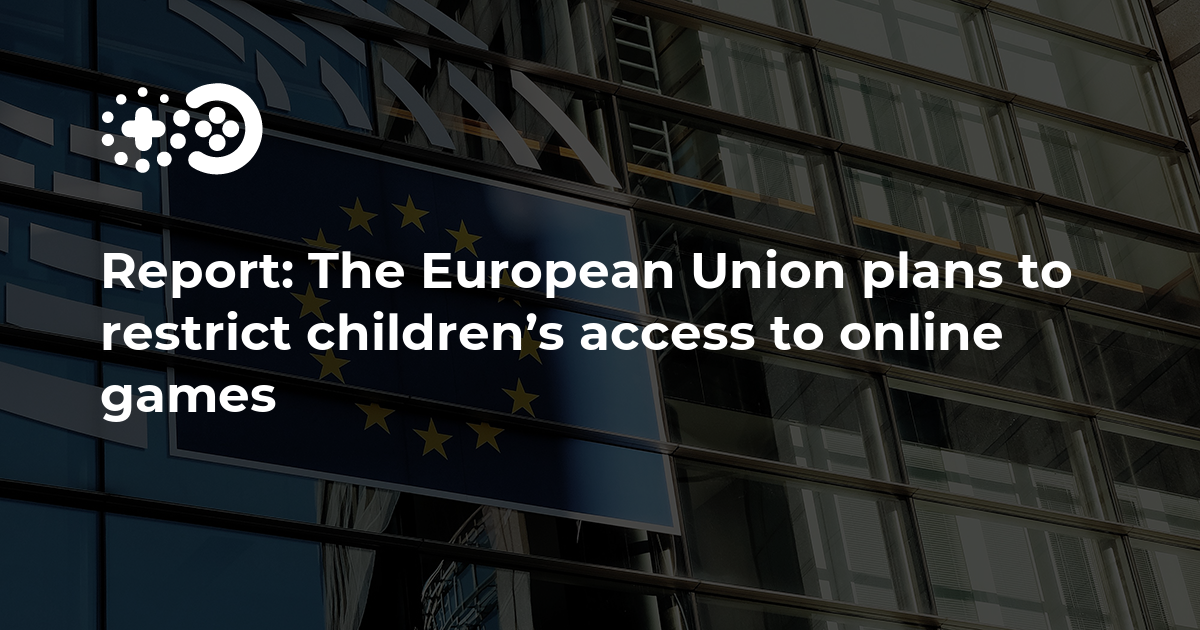
European Union Plans to Restrict Children’s Access to Online Games
16 Sept 20261 pages~4 min full read
The European Commission has introduced a draft legislative proposal known as the EU Kids Act, aimed at enhancing the protection of minors across the European Union. The proposed regulation seeks to implement stricter age-based access controls for various digital platforms, including social media, video services, AI assistants, and online games. If enacted, the legislation would mandate that children under the age of 15 be prohibited from creating their own accounts on these platforms, requiring parental or guardian intervention for account creation and ongoing oversight of their digital activities.
The initiative reflects a broader international trend toward increasing regulatory scrutiny of children’s digital engagement, similar to recent measures adopted in Australia. While the European Commission frames the bill as a necessary step for child safety, the proposal has encountered significant opposition from industry leaders. Critics, most notably Epic Games CEO Tim Sweeney, argue that the restrictions could stifle creativity and limit the developmental opportunities for younger generations. Specifically, concerns have been raised that the legislation may inadvertently restrict access to user-generated content tools within popular gaming environments, which serve as modern platforms for digital creation and skill-building.
As of September 2026, the bill has been officially unveiled and is entering a formal legislative approval process. The scope of the proposed law is comprehensive, targeting any online platform that facilitates interaction or content creation for minors within the European Union. The industry remains in a period of uncertainty as stakeholders await further details on the implementation of these multi-level barriers and the potential long-term impact on the digital ecosystem for younger users.

Kraków Technology Park · 2017
PlayWay · 2026
PCF Group · 2025

11 bit studios · 2025
11 bit studios · 2025

KOCCA – Korea Creative Content Agency · 2025

AEVI · 2025

European Schoolnet · 2024

11 bit studios · 2024

CD Projekt · 2024

Video Games Europe · 2024
PCF Group · 2024