1 free read left. Create a free account for unlimited reading + AI research.
Create free account
With 1.1 million monthly users, Unity has democratised game development
Key insights
6 takeaways- 01By offering its professional-grade engine for free, Unity has successfully lowered financial barriers to entry for global game developers.
- 02The company replaced traditional upfront licensing fees and royalties with a diversified revenue model based on an asset marketplace, mobile advertising, and analytics services.
- 03Unity supports 1.1 million monthly active users, establishing itself as a primary engine for indie and entry-level developers.
- 04The platform utilizes an asset store and open development practices to facilitate the exchange of code and technical expertise across the industry.
- 05Unity maintains a consistent development cycle consisting of weekly bug fixes and quarterly major feature updates to ensure engine reliability and performance.
- 06Unity prioritizes direct feedback loops and community engagement through a porous corporate culture and active participation in industry events like Pocket Gamer Connects.
Ask AI about this video
Transcript
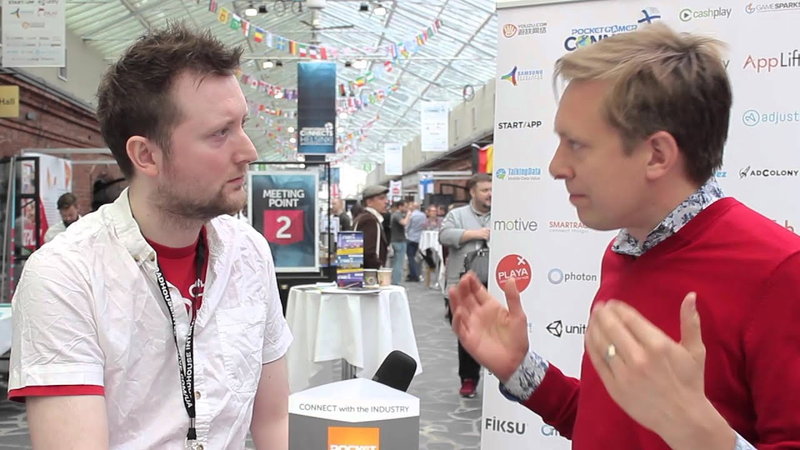
we're here at Pocket Gamer connects in Helsinki and who are you good sir i'm david hager son and one of the founders up for unity okay and unity if nobody from somehow hasn't heard about what unity is at home what is it so unity is a game engine that helps people make video games yeah also mobile games and well you know at least that's how started it sort of evolved into this kind of ecosystem company that you know whose goal it is to kind of democratized game development that's what we say meaning that we try to help a lot of people make a lot of great games and then help them be successful with them meaning you know everything from the technology sites to assets to put getting them out there and stir monetizing them I've always thought of
unity as leveling the playing field and you guys have gone free yep how more free more free well you know we which we've gone free in stage as you might say so why that's a few ways to answer that question and one is that you know as a technologist and somebody you know who used to be programming unity I always wanted you to be free it was always my kind of personal stated goal that I wanted everyone to be able to have it we went we had sort of a cheap version of unity back in the old days and then at some point in 2009 we said like okay let's just make it you know free but there was the cheap version that we made free so it was kind of the you know some people said it was a shitty version maybe it was well it was feature limited right i mean you didn't get everything it was still great for making games that was great for learning a lot of actually you know good games started like that and then maybe
upgraded to the pro version later but then come this spring we we had been able to build a company that that was able to give the soft route for free and that meant that you know we had other ways of paying for the development which is critical because you know nobody wants to use a technology or no nobody should use the technology that isn't able to pay the bills because it's such a long term commitment from the developers side right i mean the engine somehow fails you and goes away that sucks so so we had gotten to a point where you know there's a lot of big companies that are paying the bills there's a lot of people that are buying assets in our asset market place called the asset store which is awesome and also a year and a half ago we acquired you know finished company amplifier that is now unity adds that also helps developers make money we take a cut of that and put it back into the engine right so so this March we went and we made the pro version free meaning that you know everything that was in pro is
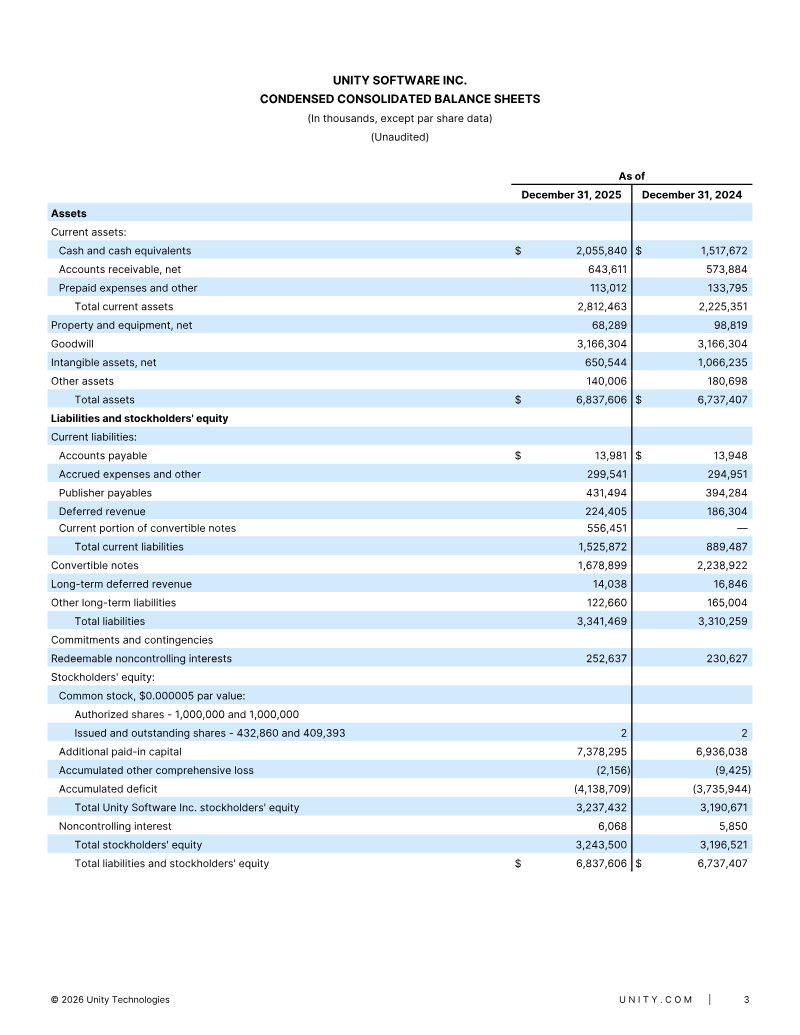
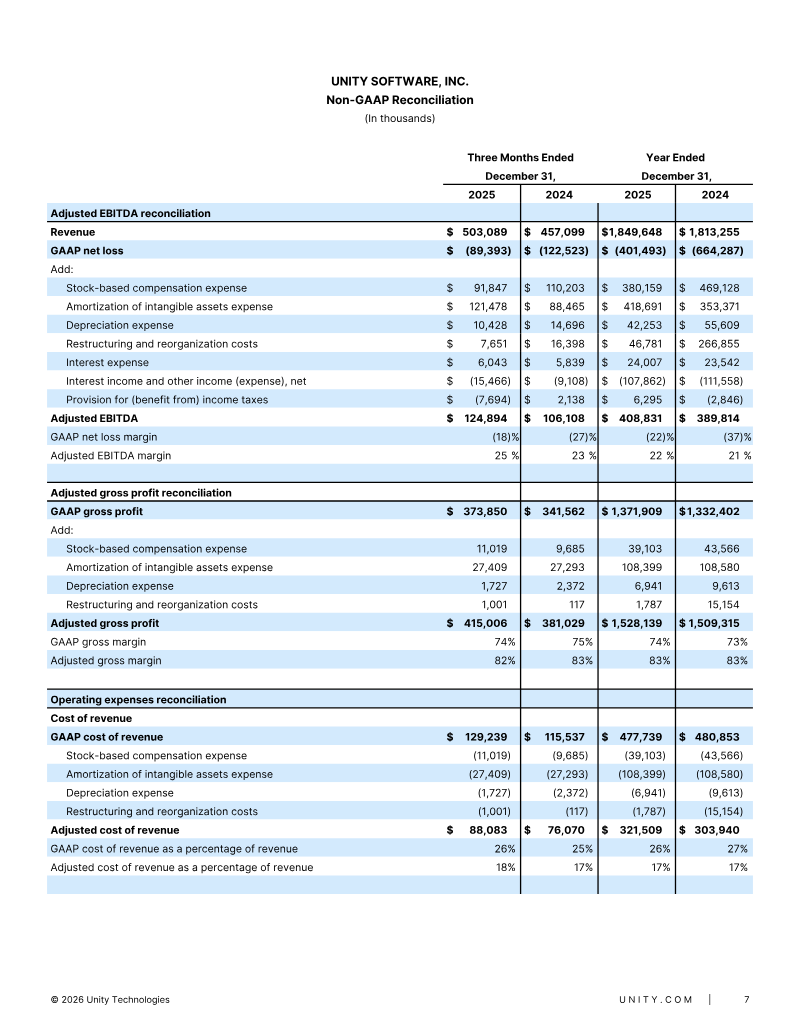
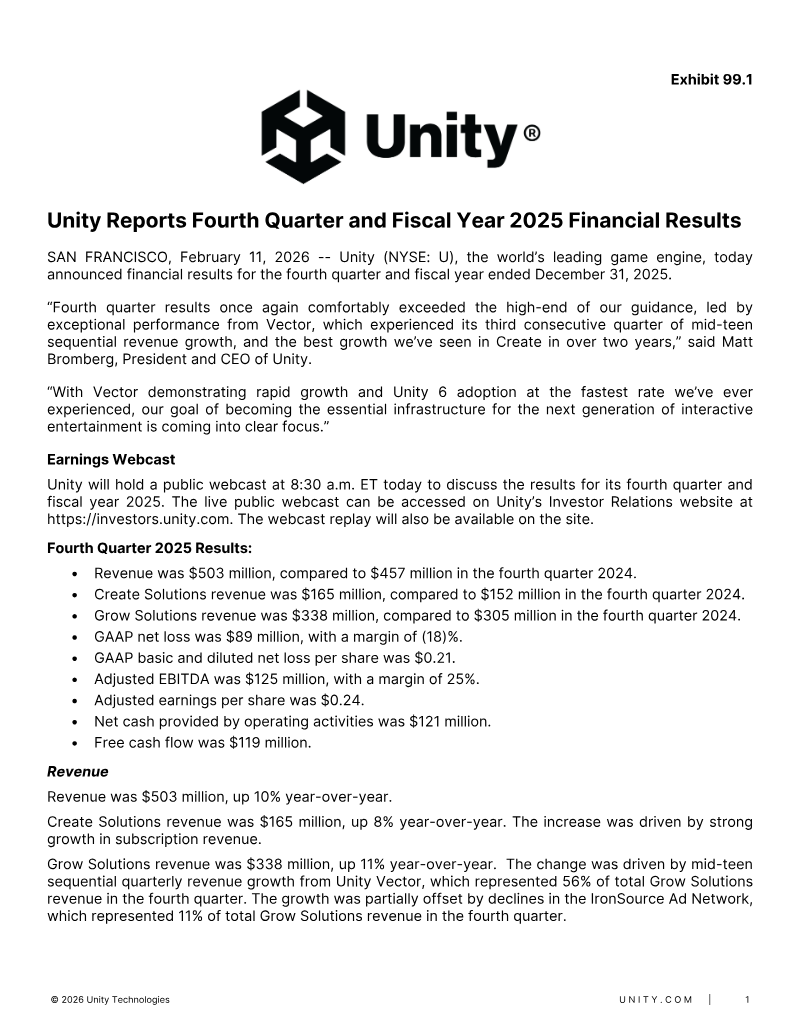
now in personal edition which kind of that so it's wonderful you know it's a 1.1 million developers using unity on a monthly basis now at last count and still growing doing the most amazing things so I think I think it's quite obvious to say that unity has come along and shaken everything up right like so when I went all up any any any of any good tech company needs to shake something up right absolutely but there are lots of people in this business who are really pissed off with you guys quite quick Oh clearly because that's not true oh there's a handful of trolls no seriously there is not a lot of people out of this though because because because it's forced other come engine companies to change the way that they do things because for the longest time it was this archaic method of you charge this huge amount of money up front and you have this massive barrier to entry and suddenly you know you guys are effectively responsible for a huge
part of the indie industry coming up sure well are you pleased fella yeah i mean like we helped i mean these are pretty powerful people i mean they work at a [ __ ] do what they were gonna [ __ ] to we bleeped oh well yeah absolutely okay no but but but so so I mean we cared about the we were in this like that was kind of our thing so why would you be pious top of that I mean it's not clear to me because because it's forced other companies to change the very traditional business model they go I'm not saying that I had really changed no no I mean like you know the you know they're still charging royalties and all kinds of [ __ ] yeah you know it's a stupid sentence but you know what I we've sort of saved like you know what what's the opposite of democracy yeah absolutely it's royalty right yeah it sucks yet no no I'll be like videos I mean you know the sort of in the in the yes I mean we forced forced and the the industry to be a little bit more open
but we also helped it by being being a bit more open right because when you have a platform like unity that a lot of people use what happens is that the game industry has always been nice about transferring knowledge you know you know game programming jams those kind of books you know shader programming the this kind of series are really an expression of people always being willing willing in this industry to share their knowledge okay you know talks that gave the office conference or also like that but with unity but you can also do is you can simply take the coat and put it in the asset store and put it anywhere in the web frankly yeah and and and and that the knowledge becomes you know like a hundred times more transferable than before right so there's a lot of other things that are happening around unity that are wonderful so we'll talk about the edge of technology itself now you guys making leaps and bounds ya know so what's next you guys working on unity find at the moment 25 has been out for half a year yeah and it's still being worked on as the sense that we're still putting out you know you to 151 has come out to has
come out you know 53 years next oh it's 52 is out 22 today or tomorrow yeah yeah sorry no it's fantastic but it's in paid a bit of beta for a while okay so 53 is next by for a scheduled we have a schedule now we're very methodical no we didn't used to be.we used to be sort of a you know these kind of re programmers that sort of you know worked on things and we were finished we found that while that is in some ways good it actually sucks for the developers so they really rely on us to put out a cadence of releases so now we have a cadence of releases and by the way we have a weekly release of bug fixes now so like where this cadence that is fantastic and it means that you know time from problem being found two graphics being out can be in a week or a few weeks which is great so which technologies that you're implementing you're most excited about a lot of graphics lot of graphics I mean we like unity went from being far behind
the curve to being kind of close to the curve to now being basically on the curve with respects to most most things and and the speed that we're like putting software out at now is just astounding to me in particular because I saw how you know how tough it is and how hard we have to work to get the cadence going in a way I'm I'm excited about a lot of things but but what I may be actually most excited about this is the cadence the fact that we can put out releases like on a weekly basis and we put out major features on a quarterly basis that's just something we've never been able to do before and finally we're obviously here pgc in Helsinki we're about connecting people were about you know coming out and supporting local local development culture why does unity want to come to an event like this what what is what why does unity want to come to an event like this what is it what do you guys get out of it Oh way we come oh yes sure I mean the way we think about
ourselves a sort of infrastructure you know for the games industry so for us to being out the most developers and just hearing them out and you know talking to them and telling them what we're doing but also taking feedback back is really important we've always tried to have unity as a very porous company so there's a lot of people in unity 650 people at the last count yeah we grow a lot and most of them have personal relationships with a lot of people in the industry meaning that you know we want to sort of a you know the six degrees of separation always to be very short to unity you know you should you should know a unity person first or second hand and haven't have access to us in that way that's a part of a big part of the reason I mean up here in Helsinki the industry is fantastic we have a ton of customers we have a big office in Helsinki so for us just being part of this ecosystem is kind of the key thing
Summary
Unity Technologies has successfully transitioned from a traditional middleware provider into a comprehensive ecosystem designed to democratize game development. By offering its professional-grade engine for free, the company has removed significant financial barriers to entry, enabling a broader range of indie and entry-level developers to create and monetize games. This strategic shift is supported by a diversified revenue model that includes an asset marketplace, mobile advertising services, and analytics, which collectively sustain the engine’s development without relying on restrictive upfront licensing fees or royalties.
The platform currently supports 1.1 million monthly active users, a figure that continues to grow as the company scales its operations. To maintain this momentum, Unity has adopted a methodical release cadence, providing weekly bug fixes and quarterly major feature updates. This operational shift reflects a commitment to reliability and developer support, ensuring that the engine remains competitive in graphics and performance. By fostering a porous corporate culture and maintaining a strong presence at industry events like Pocket Gamer Connects, the company prioritizes direct feedback loops and community engagement.
Beyond the technology itself, the company emphasizes the importance of knowledge sharing within the game industry. Through the asset store and open development practices, Unity has facilitated a more transferable exchange of code and technical expertise. By challenging the industry’s traditional, high-cost business models, the company has positioned itself as essential infrastructure, aiming to lower the cost of entry while providing the tools necessary for long-term commercial success for developers worldwide.