1 free read left. Create a free account for unlimited reading + AI research.
Create free accountReport Ukie
1 free read left. Create a free account for unlimited reading + AI research.
Create free accountReportUkie
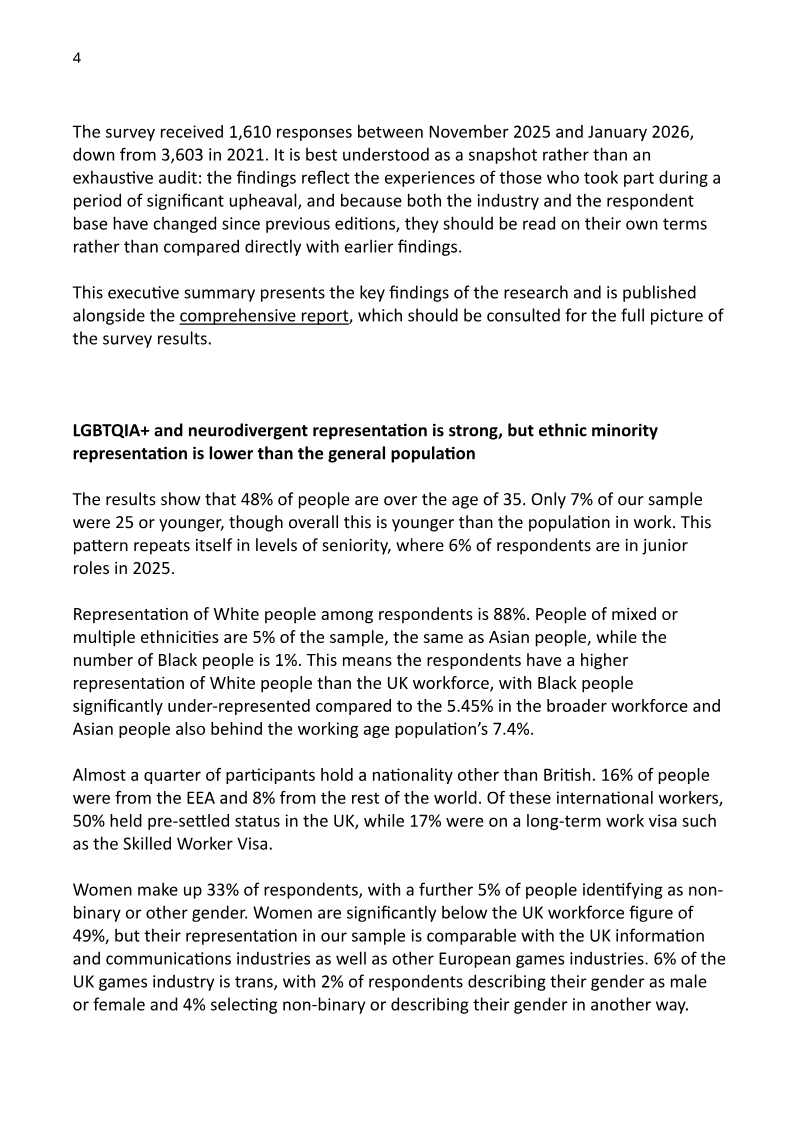
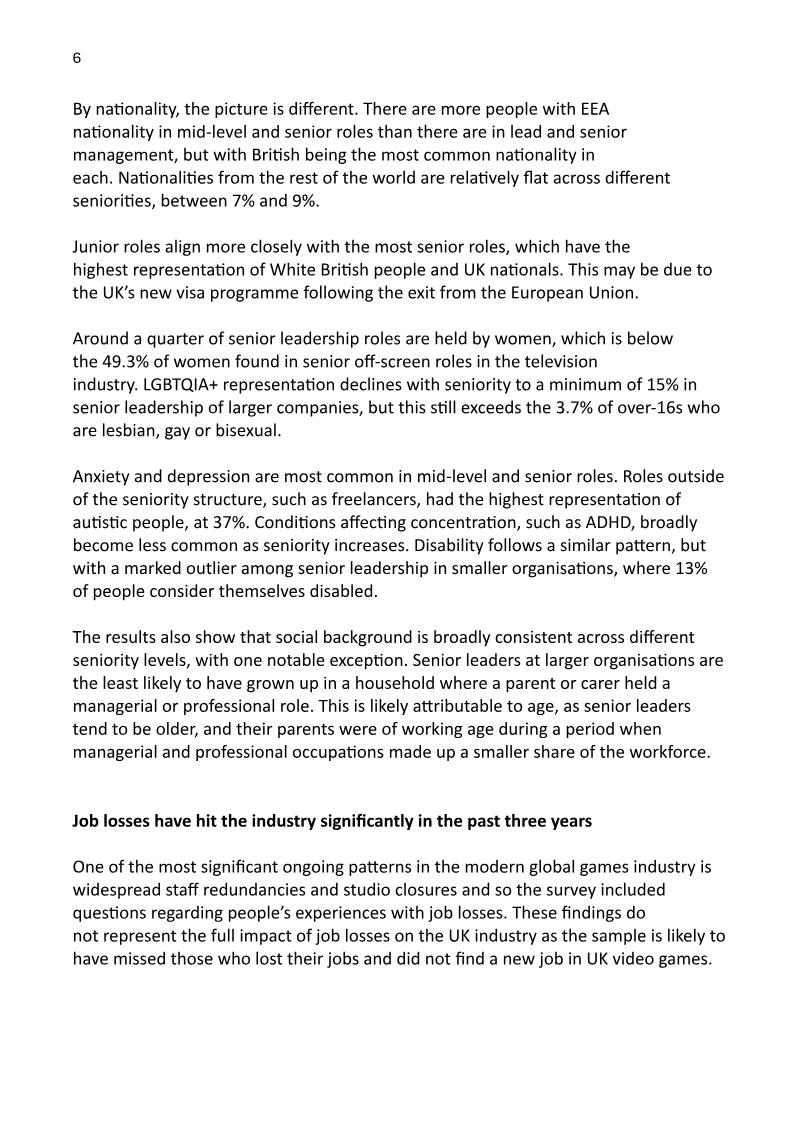
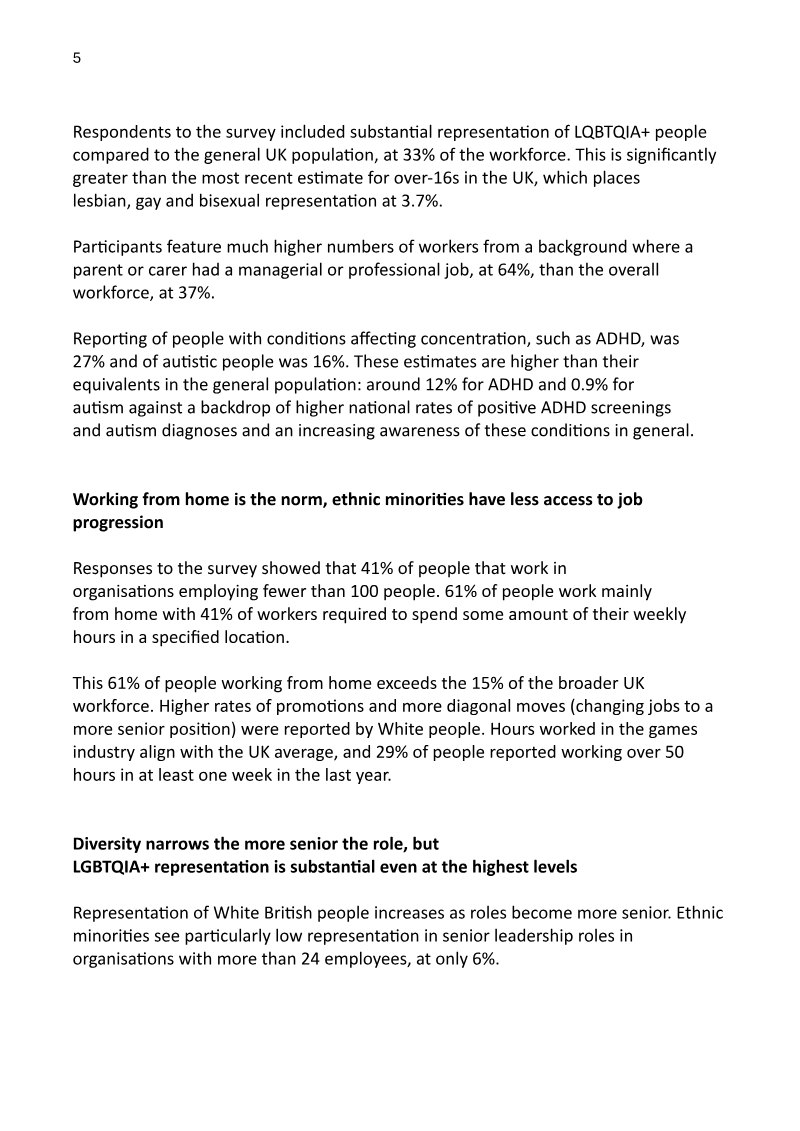
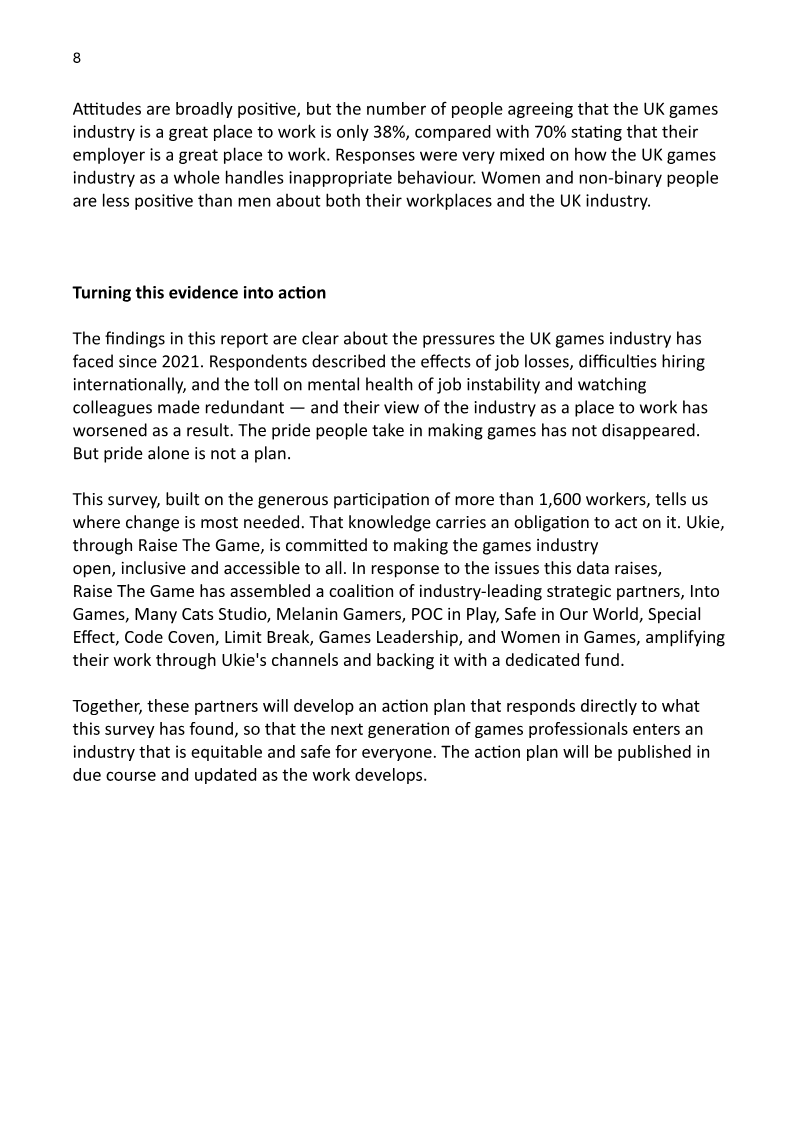
White individuals make up 88% of the workforce, and men account for 67% of all roles. Women hold 33% of positions, which is below the UK workforce average.
The 2025 UK Games Industry Workforce Demographics Survey provides a comprehensive snapshot of the sector’s labor force during a period of significant economic and structural upheaval. Commissioned by the trade association Ukie and conducted by Professor Mark Taylor, the research aims to characterize the industry’s workforce composition, working conditions, and professional experiences. Data was collected from 1,610 respondents between November 2025 and January 2026, capturing insights into roles, demographics, and the impact of recent industry-wide redundancies and studio closures.
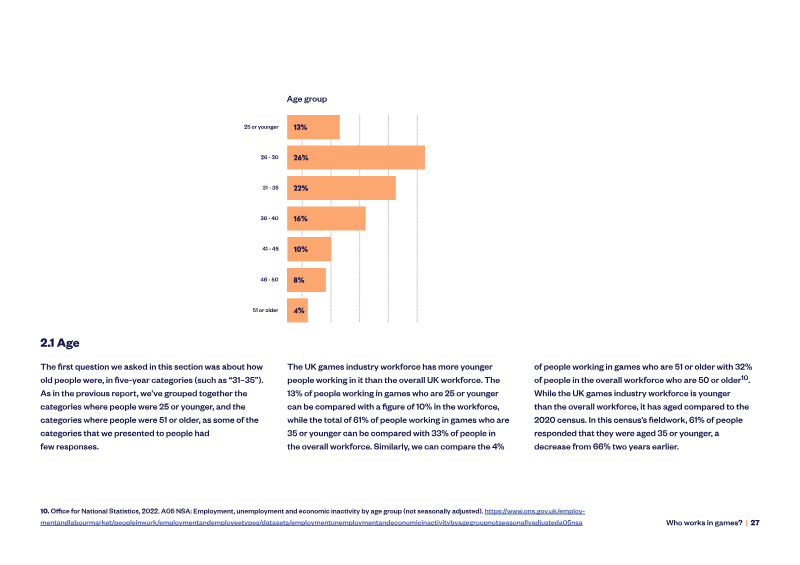
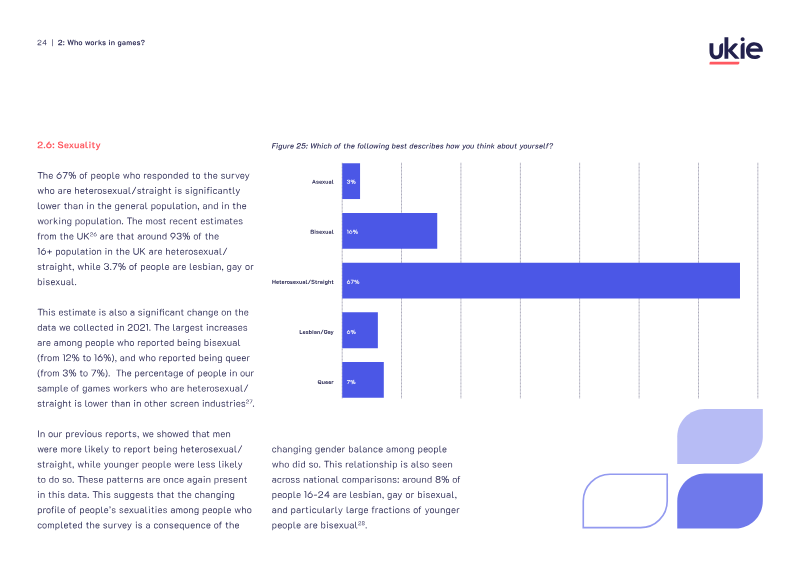
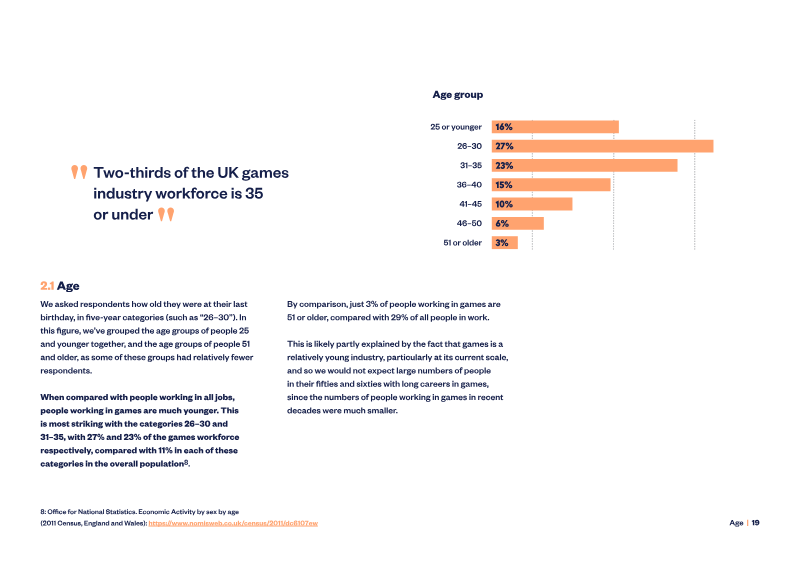
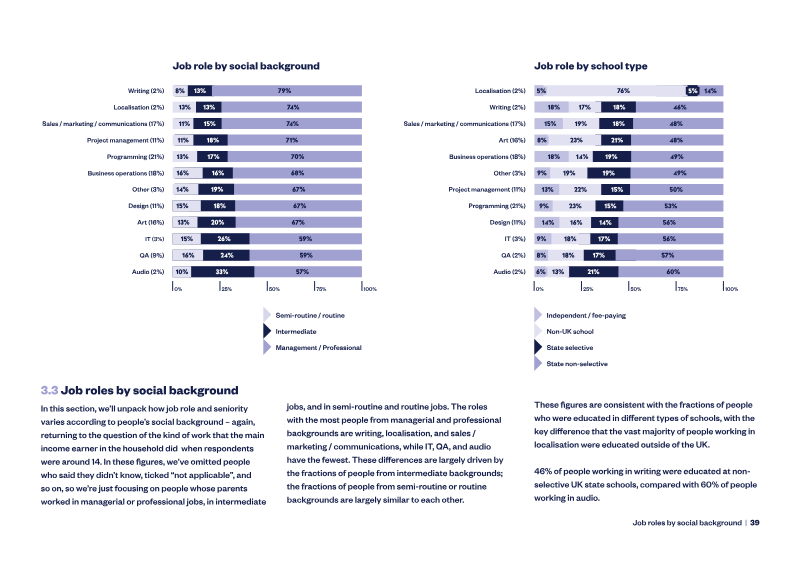
The findings reveal a workforce that is predominantly older, with 48% of participants aged 35 or older, and significantly skewed toward those from professional or managerial family backgrounds. While representation of LGBTQIA+ individuals and neurodivergent workers—specifically those with ADHD and autism—is notably higher than in the general UK population, ethnic minority representation remains low, with White individuals comprising 88% of the sample. Furthermore, women account for only 33% of the workforce, a figure that remains below the broader UK workforce average. Diversity metrics generally decline as seniority increases, particularly regarding ethnic minority representation in leadership roles.
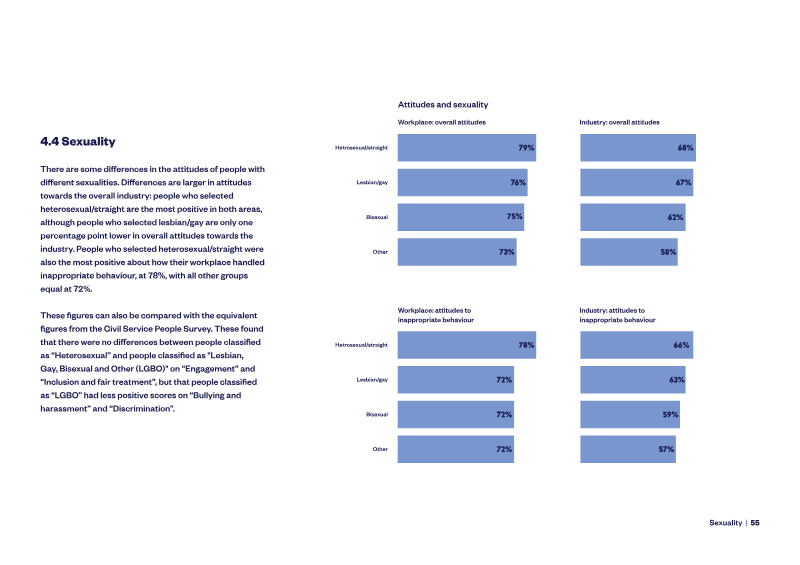
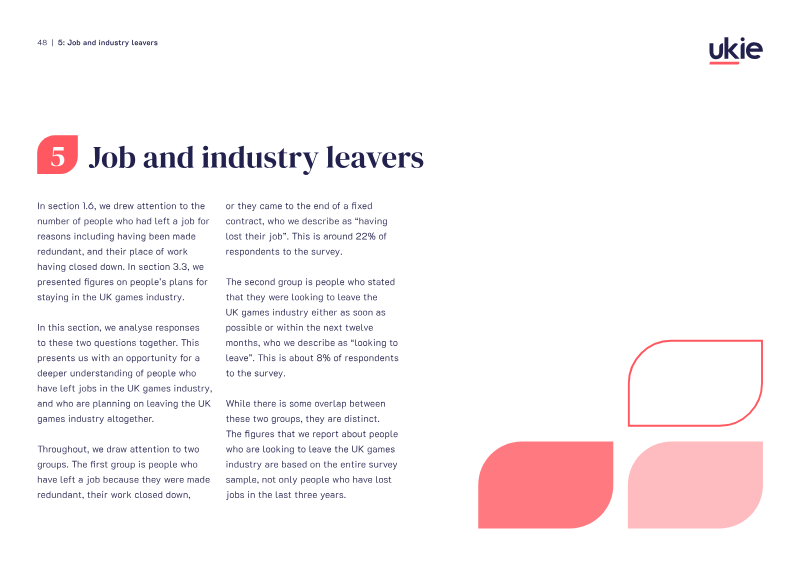
Economic instability has profoundly impacted the sector, with 22% of respondents reporting job losses in the previous three years. These redundancies have disproportionately affected marginalized groups, including ethnic minorities, women, non-binary individuals, and those with disabilities. While 70% of respondents view their specific employer favorably, only 38% believe the UK games industry as a whole is a positive place to work. In response to these findings, the industry is moving to address these disparities through the Raise the Game initiative, which aims to develop a long-term, evidence-based action plan to improve inclusivity, support career entry, and foster a more equitable professional environment.


Ukie · 2026
Ukie · 2026
Ukie · 2026

Ukie · 2026
Ukie · 2026
Ukie · 2026
Ukie · 2026
Ukie · 2026

Ukie · 2025
Ukie · 2025
Ukie · 2025


Ukie · 2025