1 free read left. Create a free account for unlimited reading + AI research.
Create free accountReport British Esports
1 free read left. Create a free account for unlimited reading + AI research.
Create free accountReportBritish Esports
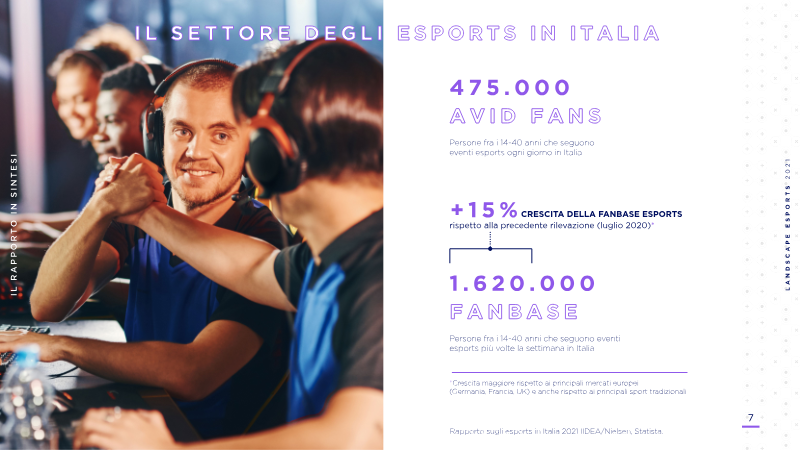
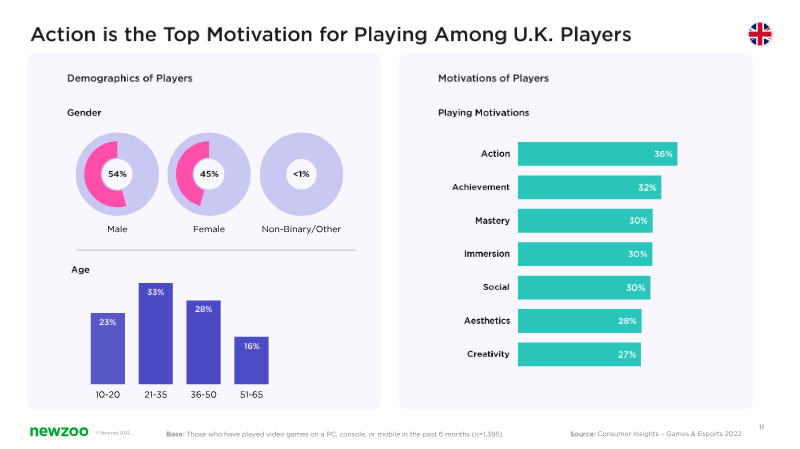
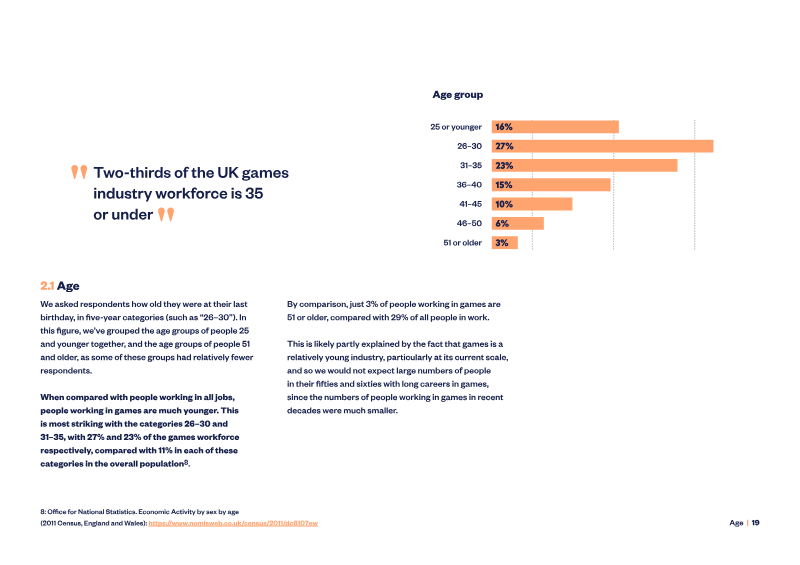
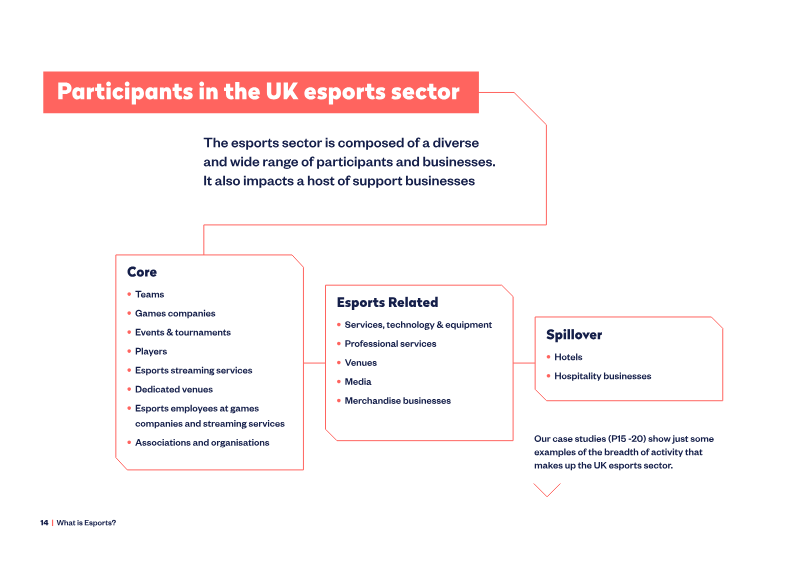
The report argues that the United Kingdom’s esports sector has evolved from a fragmented niche into a rapidly professionalised ecosystem, yet it still requires coordinated investment and policy to sustain growth. Key findings show an audience of roughly 55 million adults, with 82.7% aged 18-34 and a male dominance of 83%. While shooters such as Call of Duty, CS:GO and Fortnite command the largest viewership, only 3.8% of gamers follow competitive play, revealing a small “iceberg” of engaged fans. This gap highlights opportunities for talent development and global brand expansion, especially as the UK lags behind U.S. and Asian markets in producing top-tier professionals.
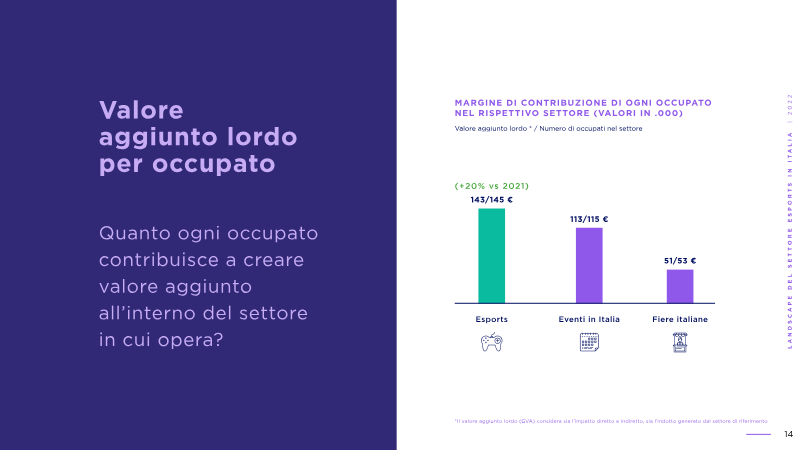
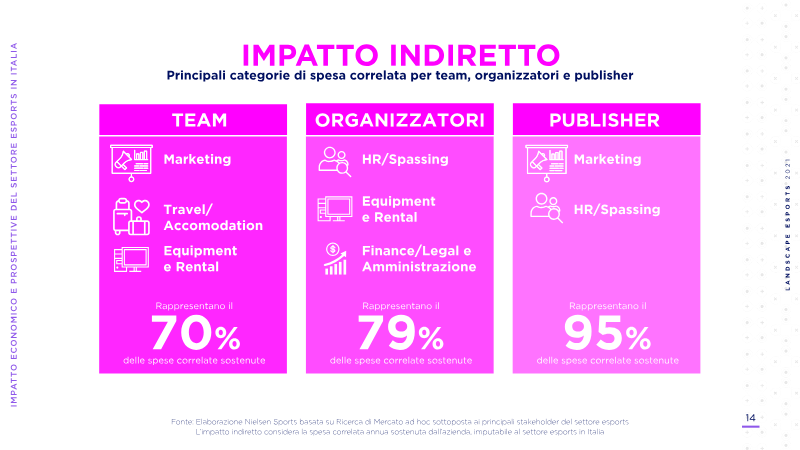
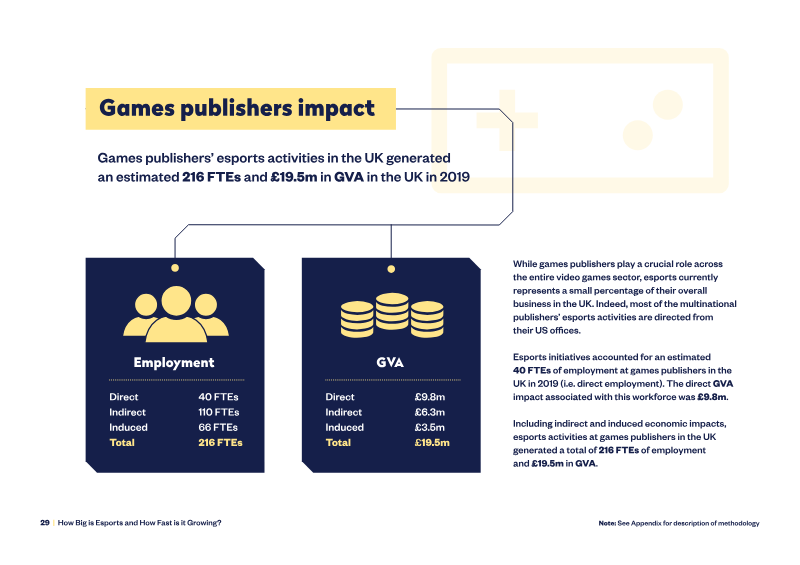
Economic data underscore the sector’s momentum: gross value added reaches £111 million and sponsorship revenue exceeds $1.38 billion, with UK events and teams capturing a $1.5 billion share of the global market. Major brands—Intel, Red Bull, Saudi PIF—and tournament operators such as ESL, FACEIT and Gfinity are driving investment, while infrastructure projects by XLHQ, Royal Ravens and Cloud9 create dedicated studios and community hubs. Educational initiatives, including a BTEC programme with Pearson and university leagues like NUEL, demonstrate that esports can boost computing engagement and skill development among 10 000 pupils.
Despite these gains, challenges persist. Mainstream media coverage remains limited, and government support is uneven, constraining broader recognition of esports as a legitimate sport. Diversity and inclusion remain under-addressed, with female participation at 17% and a need for stronger links between education, industry and policy to create sustainable career pathways. Emerging monetisation models—Web3, NFTs, metaverse experiences—offer new revenue streams but require regulatory clarity and infrastructure investment. Coordinated action across stakeholders is essential to unlock the UK’s full economic and cultural potential in esports.

Ukie · 2025
Ukie · 2025
Ukie · 2025


Ukie · 2025
Ukie · 2025

Ukie · 2025

Ukie · 2025
Ukie · 2025
Ukie · 2025
Ukie · 2025
Ukie · 2025
UKIE – UK Interactive Entertainment · 2025

The Game Business · 2025