More on Game Studies
View all
Whitepaper
An Exploration of the Appeal of the Cosmic Horror Series of Gamebooks for Call of Cthulhu TRPG
Japanese Association for Role-Playing Game Studies (JARPS) · 2023
Whitepaper
Demand for Online Short-Time Voice Sessions of Golden Sky Stories: Japan
Japanese Association for Role-Playing Game Studies (JARPS) · 2022
Whitepaper
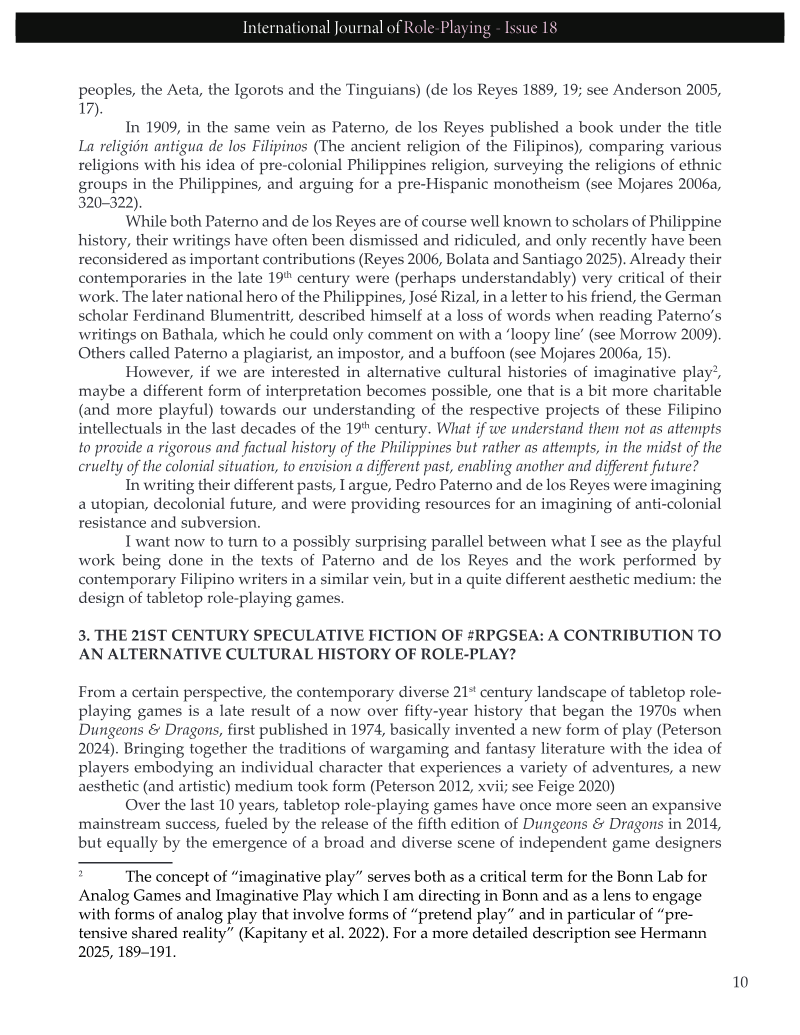
Masculinity at the Table: Untangling the Male Preserve in Indie and Mainstream Gaming
International Journal of Role-Playing · 2026
Whitepaper
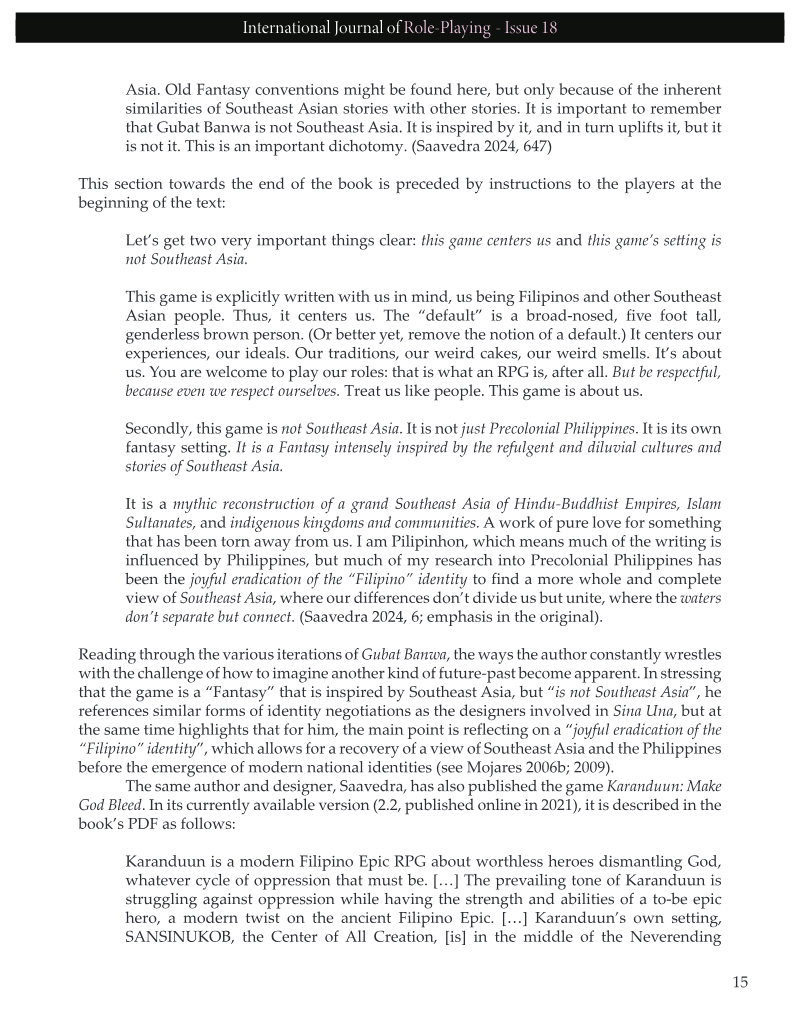
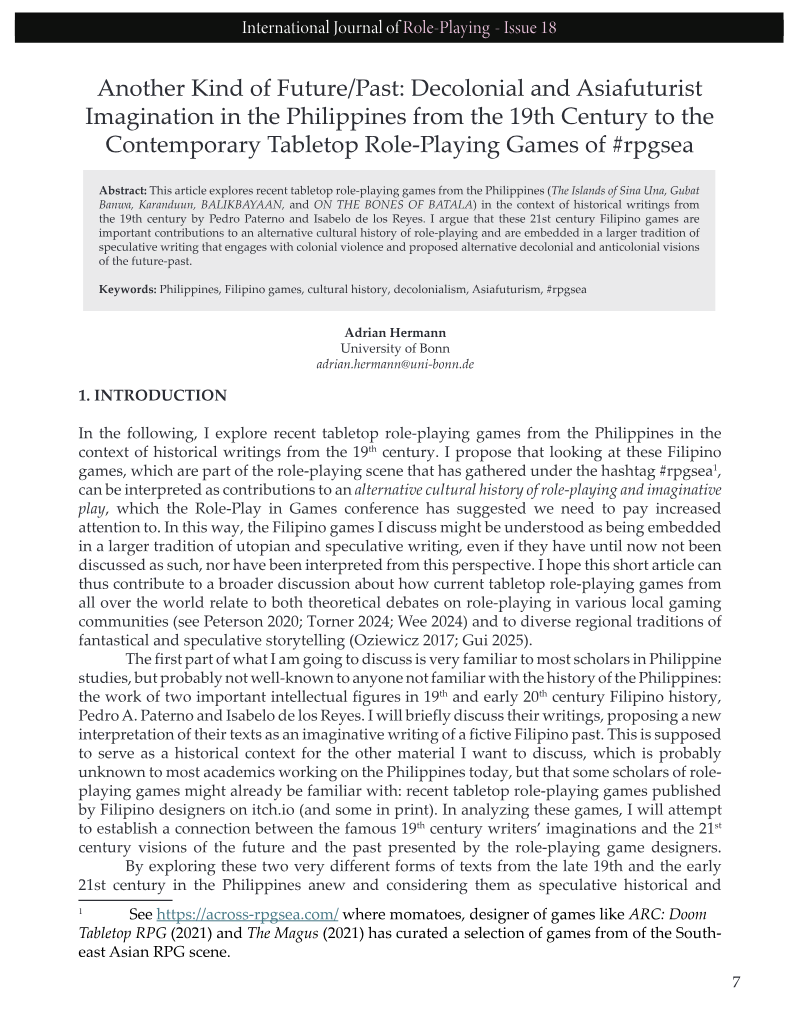
Another Kind of Future/Past: Decolonial and Asiafuturist Imagination in the Philippines
International Journal of Role-Playing · 2026
Whitepaper
How Do You Want to Do This?: Us, Role-Playing Games, and the End of the World
International Journal of Role-Playing · 2026
Whitepaper
Hack, Slash, Heal, Repeat: Theorizing the Concept of the Murderhobo in Dungeons & Dragons
International Journal of Role-Playing · 2026
Whitepaper
Utilizing Psychophysiological Measures in Role-playing Studies
International Journal of Role-Playing · 2026
Whitepaper
ANTs on the TRPG Table: Collaborating with Actor-Network Theory to Understand Role-Playing
Japanese Association for Role-Playing Game Studies (JARPS) · 2025
Whitepaper
Deprogramming Indiana Jones: Anti-Colonialist DMing with Kids
Japanese Association for Role-Playing Game Studies (JARPS) · 2024
Whitepaper
Mechanisms of Experience Point Rules to Promote Good Roleplay: A Study of 'Touched by the Heartstrings' in Shinobigami
Japanese Association for Role-Playing Game Studies (JARPS) · 2024
Whitepaper
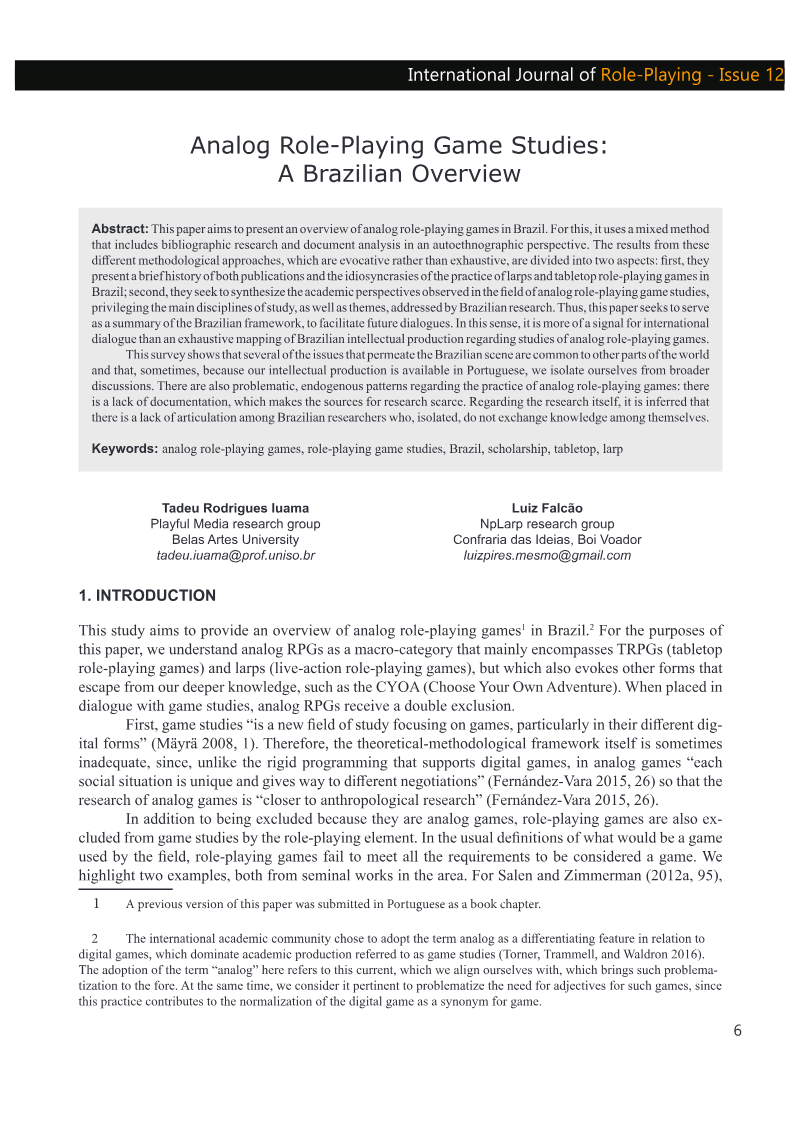
Analog Role-Playing Game Studies: A Brazilian Overview
International Journal of Role-Playing · 2022
Whitepaper
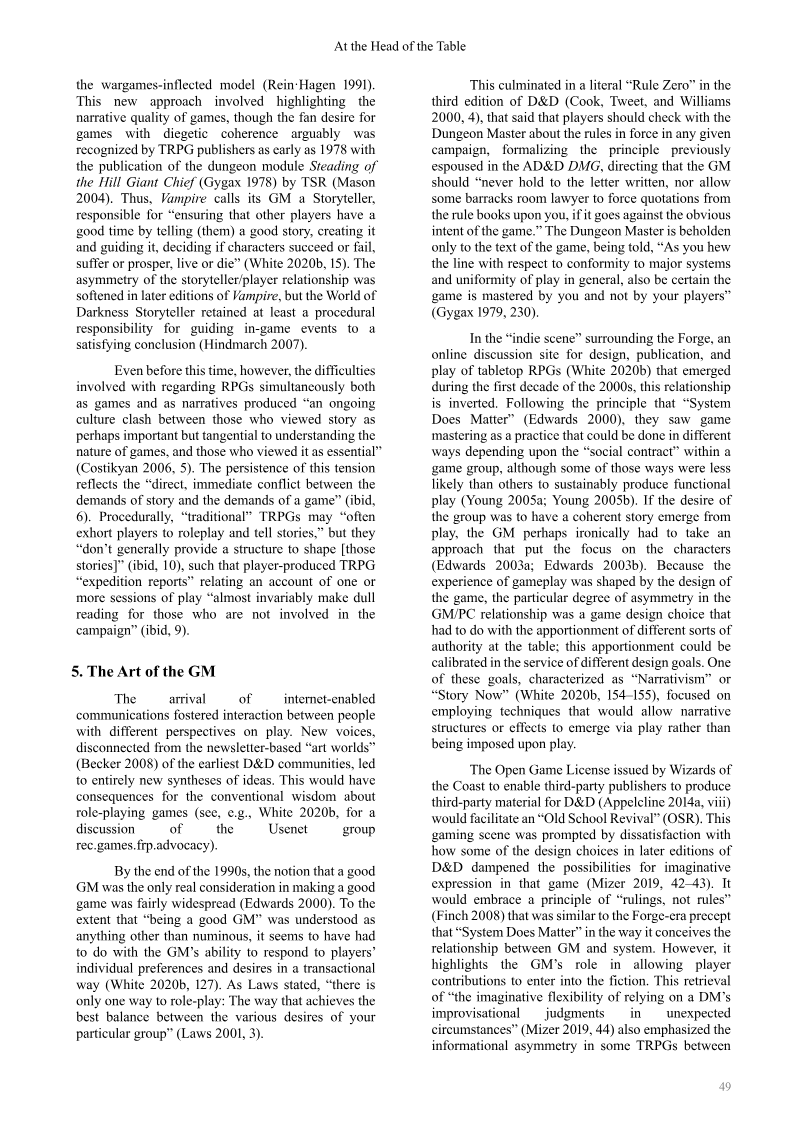
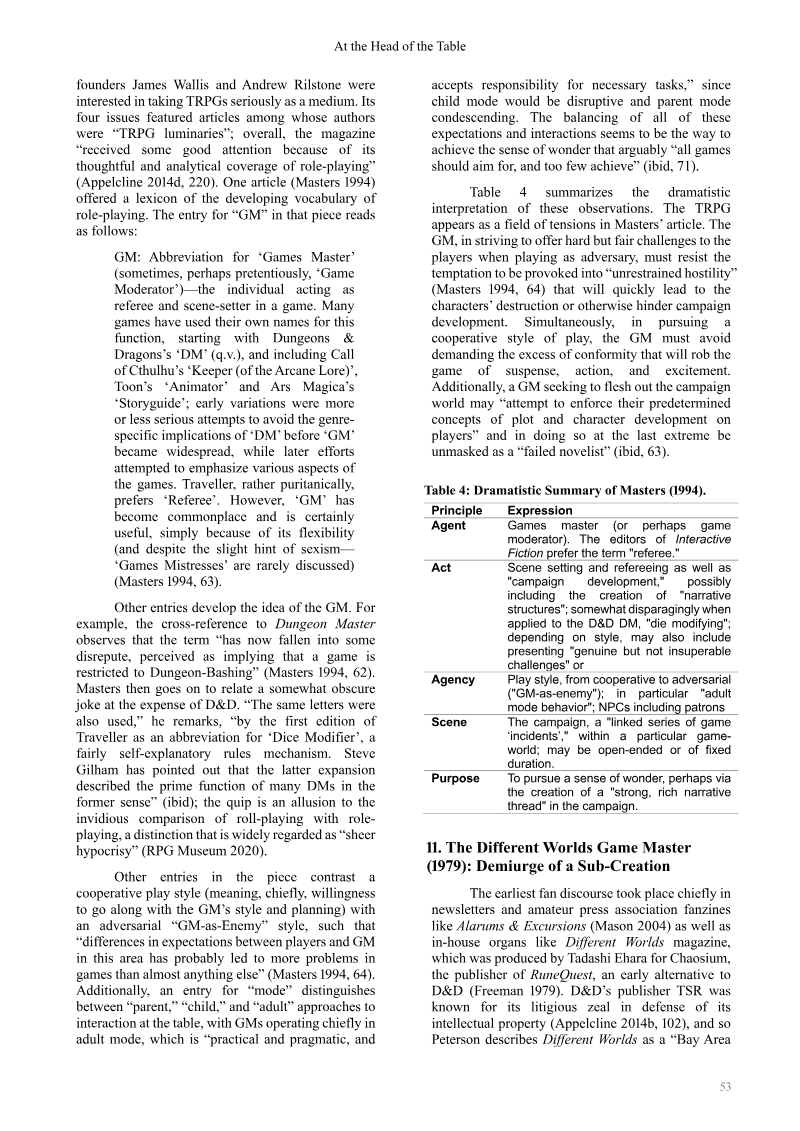
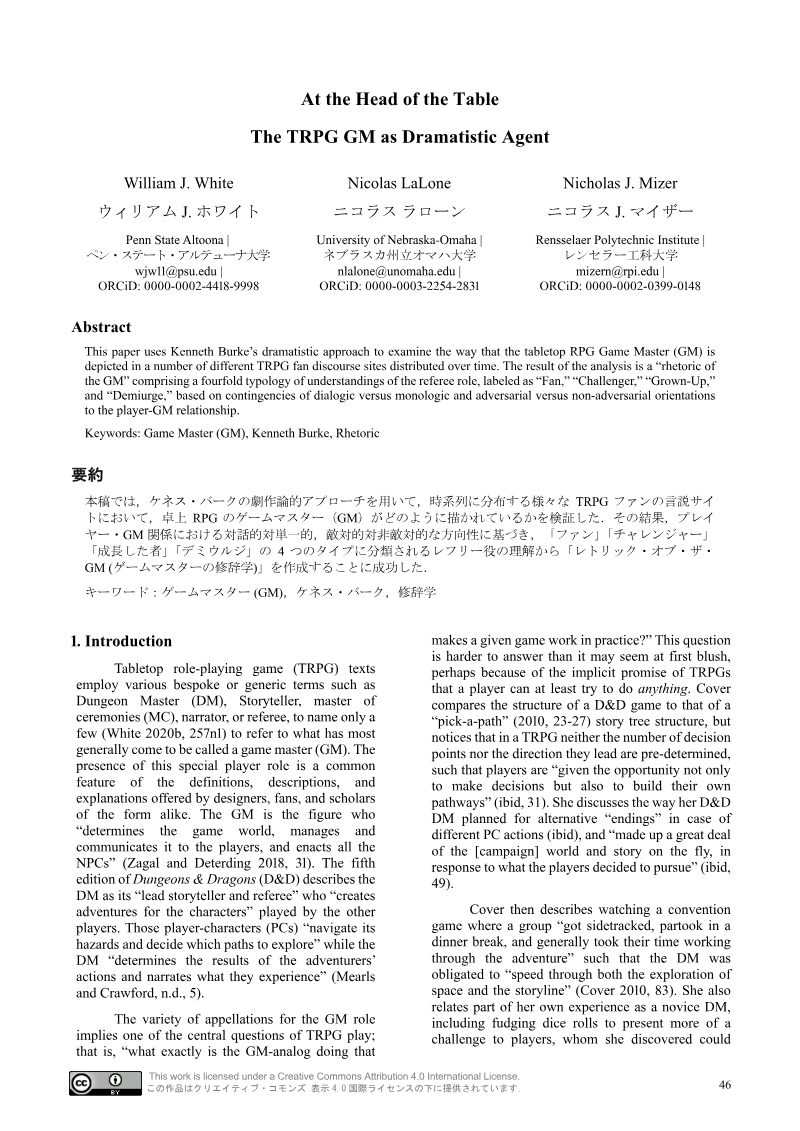
At the Head of the Table: The TRPG GM as Dramatistic Agent
Japanese Association for Role-Playing Game Studies (JARPS) · 2022