1 free read left. Create a free account for unlimited reading + AI research.
Create free accountArticle gamevironments
1 free read left. Create a free account for unlimited reading + AI research.
Create free accountArticlegamevironments
Dream sequences in digital games are almost always lucid, since the medium's mandatory interactivity gives players control over dreamlike segments. The exception is non-interactive cutscenes.
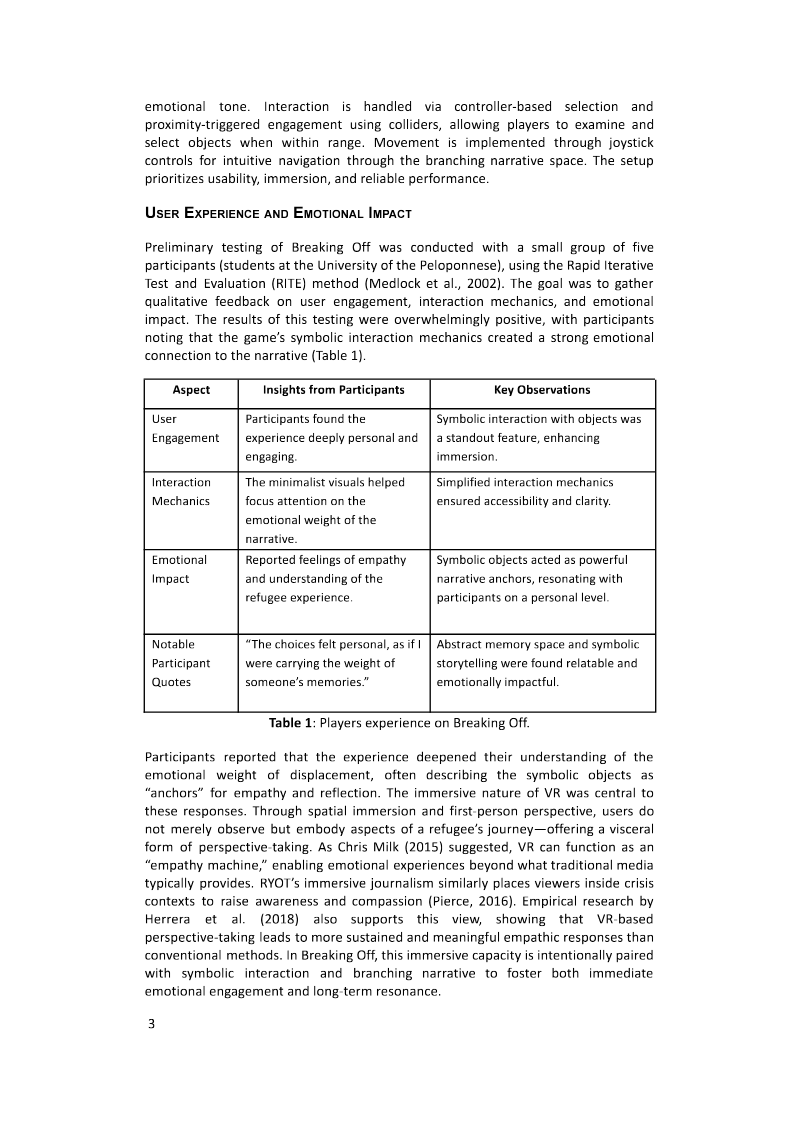
Frank G. Bosman's article "To Dream a Game" examines dreams and dreamlike phenomena as interactive-narrative devices in digital games, arguing that these sequences occupy a distinctive place where ludological and narratological functions converge. Drawing on psychodynamic, activation-input-modulation, neurocognitive, esoteric, and literary approaches to dreaming, the work proposes a working definition of dreams as a temporarily diminished-consciousness state experienced involuntarily, and it applies close reading and game-immanent analysis to playable texts. Its examples range widely, from Batman: Arkham City and Wolfenstein: The New Order to Super Mario Bros. 2, Assassin's Creed Unity and Syndicate, Fallout 3 and Fallout 4, Dishonored, Child of Light, and DmC: Devil May Cry.
The analysis rests on a central observation: dream sequences in games are almost always lucid, because the medium's mandatory interactivity grants players control over dreamlike segments, except in non-interactive cutscenes. Bosman draws on Gackenbach's research, which found that gamers, particularly hard-core players, report more lucid and control dreams, more bizarre dreams, and more violent or nightmarish dreams that they experience with less distress. This connection between gaming and dreaming grounds the paper's claim that interactivity reshapes how dreams can be represented and experienced.
The work also develops a taxonomy of how game dreams begin and end. Entrance may be voluntary or involuntary, and exit is typically conditional, governed by the player's achievement of narrative or ludological goals. Inducement is classified as natural (sleep) or artificial, the latter divided into mechanical, pharmaceutical, psychological, magical, and metaphysical methods, with boundary cases such as Batman's dual natural and poison-induced near-death experience acknowledged as resisting clean categorization.
Ultimately, the study concludes that dream sequences serve dual purposes: ludological training, such as teaching controls and abilities, and narratological revelation, such as disclosing story information, all while being framed within contexts that justify temporary restrictions on player freedom.
 Unity TechnologiesCompany · Technology · 974 documents
 Assassin's CreedGame · Ubisoft Montreal · 2007 · 343 documents
 Super Mario Bros.Game · Nintendo R&D4 · 1985 · 86 documents
 Devil May CryGame · Capcom Production Studio 4 · 2001 · 37 documents
 Fallout 4Game · Bethesda Game Studios · 2015 · 37 documents
 WolfensteinGame · Raven Software · 2009 · 25 documents
 Fallout 3Game · Bethesda Game Studios · 2008 · 21 documents
 DishonoredGame · Arkane Studios · 2012 · 16 documents
 Assassin's Creed UnityGame · Ubisoft Montreal · 2014 · 7 documents
 Super Mario Bros. 2Game · Nintendo Entertainment Analysis & Development · 1993 · 4 documents
Each row is a game or company this document names, each column a document, oldest first. A mark means that document names it. Select a row to see those documents.
gamevironments · 2026
DiGRA · 2026