1 free read left. Create a free account for unlimited reading + AI research.
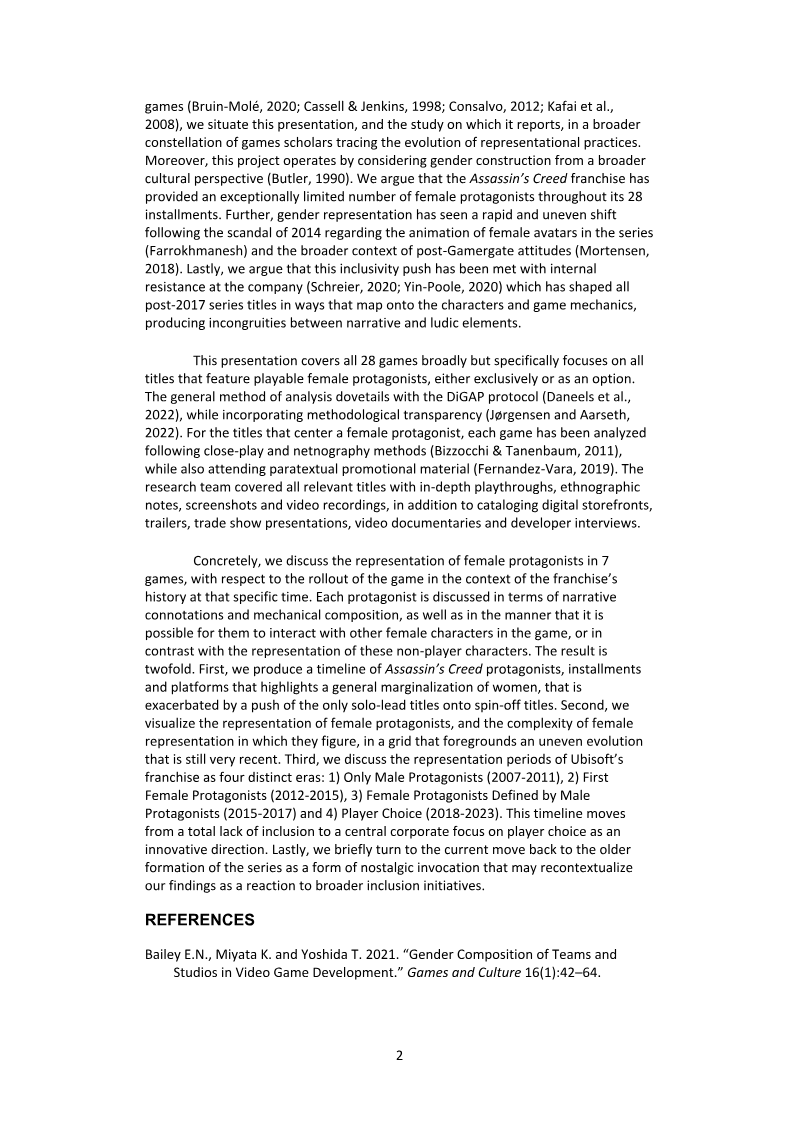
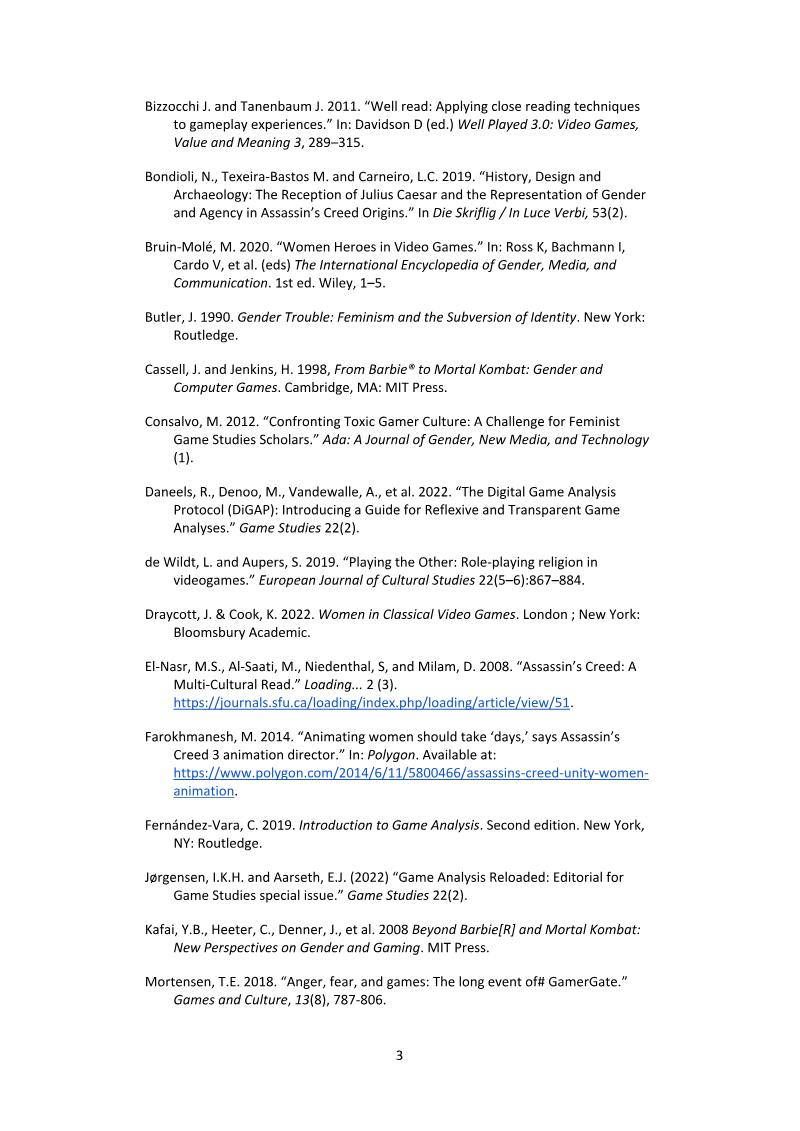
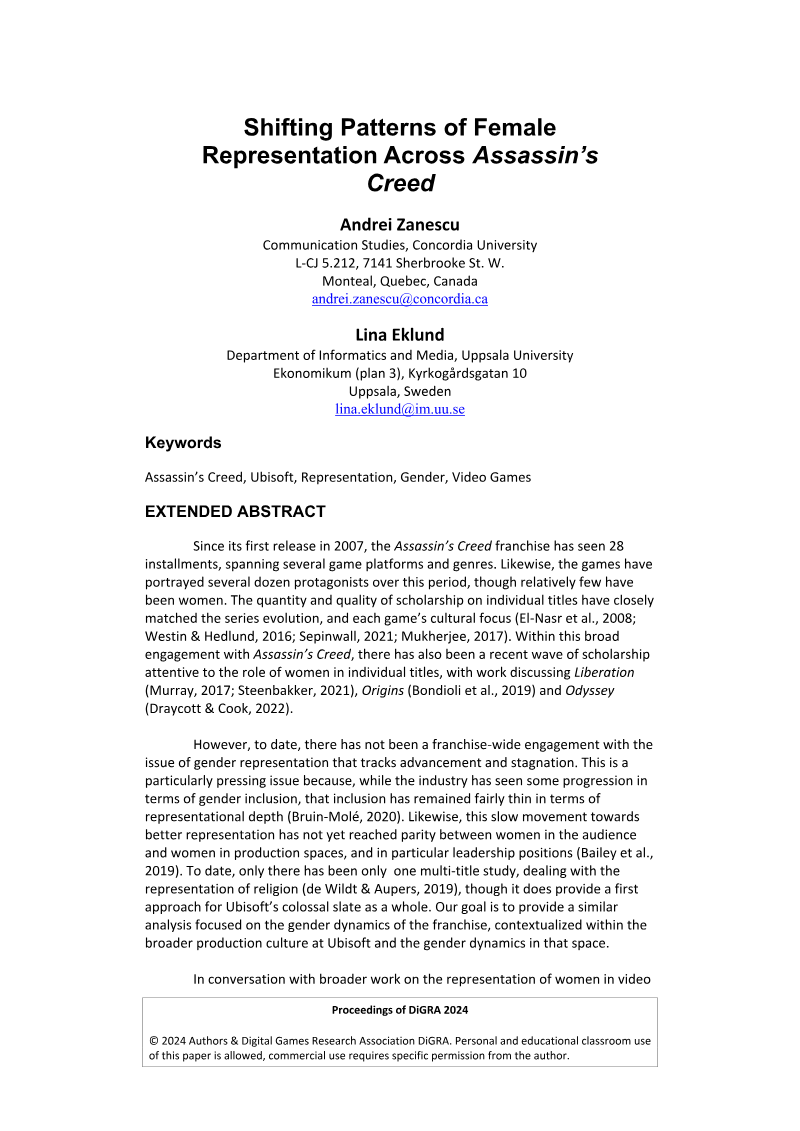
Create free accountReport gamevironments
1 free read left. Create a free account for unlimited reading + AI research.
Create free accountReportgamevironments
Anika Falkenberg's analysis, published in Gamevironments Issue 23 (2025), reads the 2020 game through feminist and non-binary perspectives.
Anika Falkenberg's analysis, published in Gamevironments (Issue 23, 2025), argues that Immortals Fenyx Rising (2020) queers Greek mythology and the AAA action-adventure genre by reframing its narrative and mechanics through feminist and non-binary perspectives. Drawing on Judith Butler's theories of gender performativity, Habermas and Fraser on the public and private spheres, and queer game studies, the paper contends that the game makes traditionally feminine, domestic, and non-conforming experiences visible. Its central claim is that the female protagonist, Fenyx, is treated as the canonical version of the hero, disrupting the binary assumptions that typically govern the genre.
The analysis develops this thesis through close narratological and ludological reading, supported by paratextual and intertextual research and guided by the Digital Game Analysis Protocol for transparency about the researcher's positionality. Central to the argument is the observation that the game's narration, initially controlled by Prometheus and Zeus, mirrors the constrained storytelling roles of ancient Greece and male-dominated game production, before Fenyx seizes control of the narrative. Through procedural rhetoric, open-world design, and humor, the game codes its protagonist as emotional, witty, and empathetic regardless of the player's chosen gender, and it resignifies the domestic title "Goddess of Unity" as a public achievement. Mythological episodes such as Aphrodite's rejection of Hephaistos and Zeus's infidelities are read as openings for public discussion of sex and gender fluidity.
The paper's scope is interpretive and theoretical rather than empirical, and it situates the game within a broader comparison of Greek-mythology titles. The author notes that Immortals Fenyx Rising distinguishes itself by placing a female protagonist on its box art and depicting the gods with private feelings, in contrast to Persona 3 Reload and Assassin's Creed: Odyssey, where female and male leads were respectively altered amid reported executive intervention. The paper closes by framing itself as an act of queering games and expressing hope that Hades II will continue challenging gender binaries in the industry.
gamevironments · 2026
DiGRA · 2024