ArticleGame Production Alchemist
Three Laws Your Studio Is Already Breaking
22 Jun 20261 pages~10 min full read
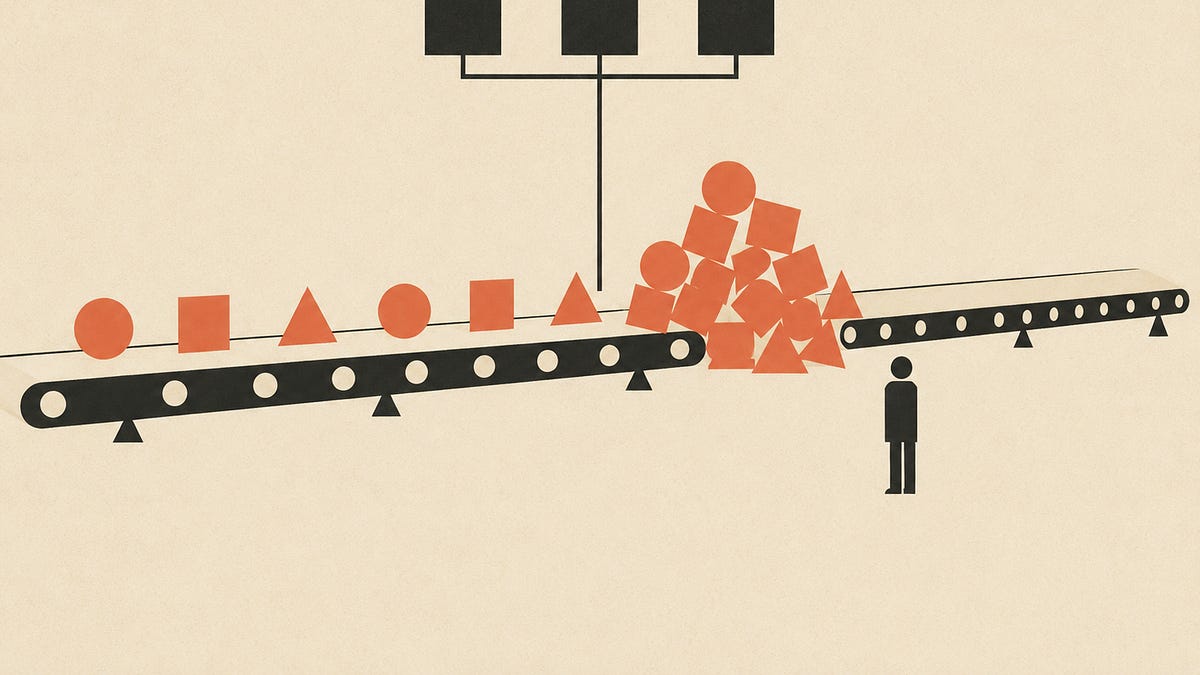
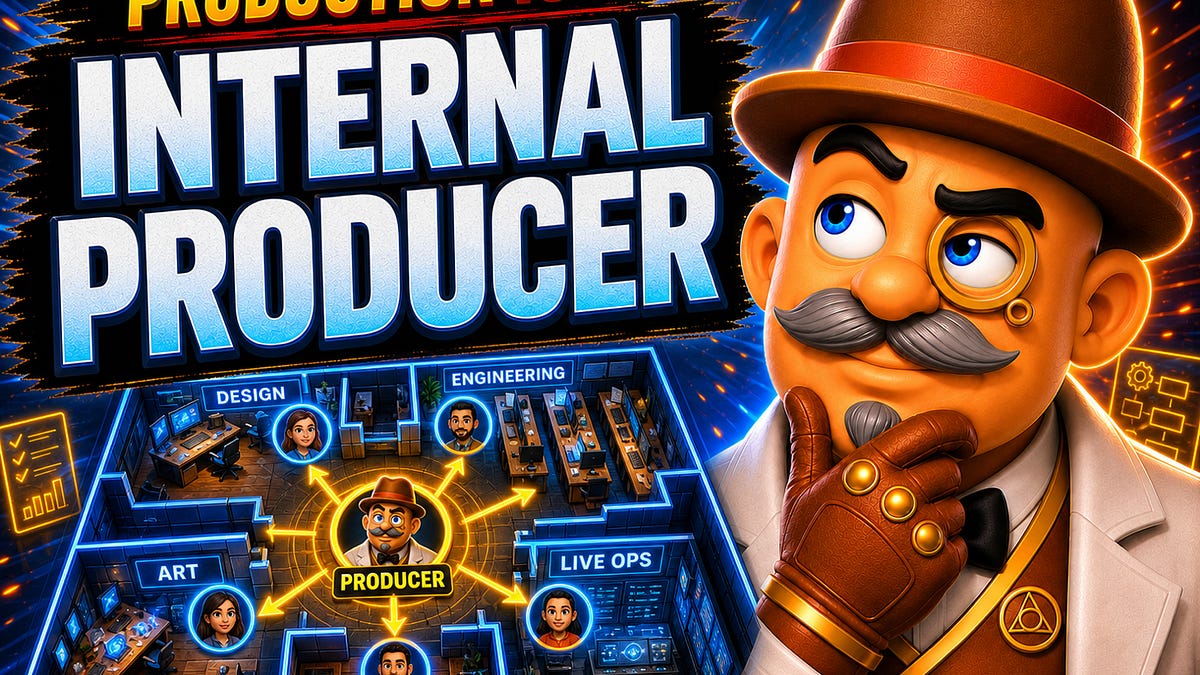
Game studios frequently struggle with unpredictable delivery schedules because they inadvertently violate three fundamental principles of systems management: Little’s Law, the Theory of Constraints, and Conway’s Law. The primary thesis is that these laws operate independently of management awareness, and when ignored, they compound to create systemic bottlenecks that cannot be resolved by simply adding headcount or reorganizing teams.
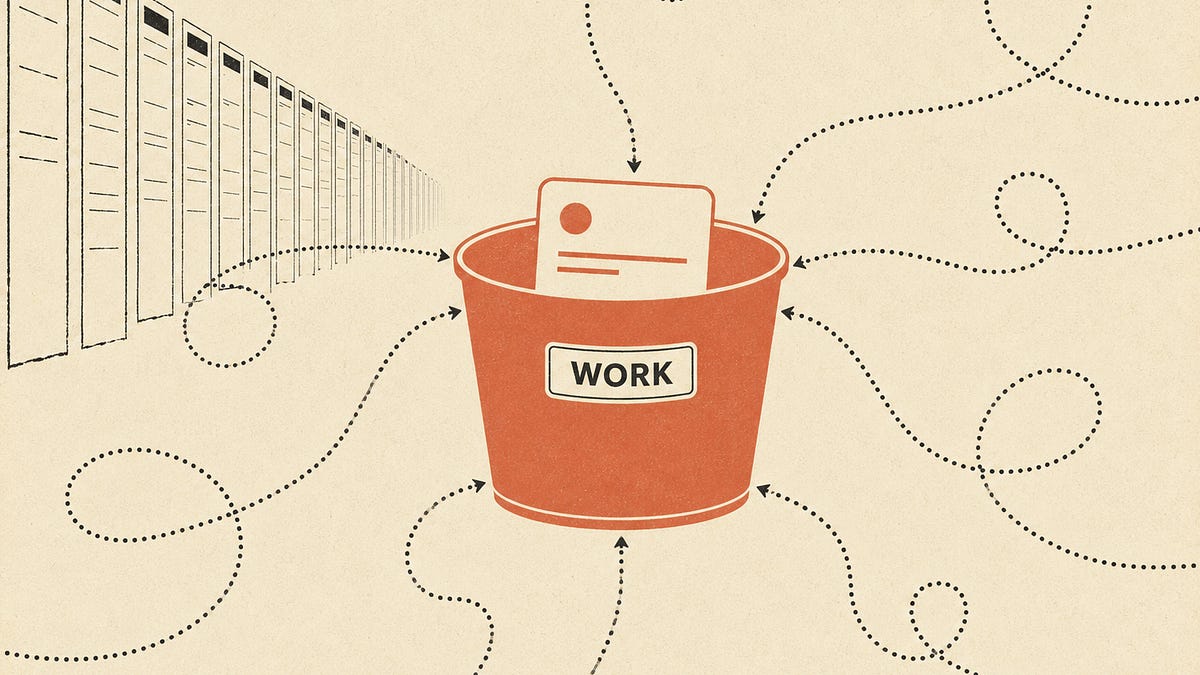
Little’s Law dictates that lead time is a function of work-in-progress (WIP) divided by throughput. Studios often mistake a full pipeline for high productivity, but excessive WIP actually increases lead times and creates competition for resources. Empirical data from over 8,000 software work items confirms that reducing WIP is the most effective way to accelerate delivery. Similarly, the Theory of Constraints posits that every system has one limiting factor. Attempting to optimize non-constrained resources is counterproductive, as it merely shifts the bottleneck or increases the queue size, often leading to wasted payroll and further delays.
Conway’s Law highlights that a studio’s technical architecture inevitably mirrors its internal communication structure. Reorganizing teams without fundamentally altering how information flows or how decisions are made will fail to change the resulting product architecture. When these three laws interact, they create a cycle of failure: high WIP starves the constraint, while mismanaged constraints drive further WIP accumulation, all reinforced by an organizational structure that prevents effective communication. To improve delivery, leadership must identify which of these three laws is the primary driver of current friction and address it directly, rather than applying superficial fixes that ignore the underlying mechanics of production flow.

Game Production Alchemist · 2026

Game Production Alchemist · 2026

Game Production Alchemist · 2026
Game Production Alchemist · 2026
Game Production Alchemist · 2026

Game Production Alchemist · 2026

Game Production Alchemist · 2026
Game Production Alchemist · 2026

Game Production Alchemist · 2026

Game Production Alchemist · 2026
Game Production Alchemist · 2026

Game Production Alchemist · 2026
modl.ai · 2025

GameAnalytics
Poki · 2026
Everplay Group · 2026
Take-Two Interactive · 2026
Unity · 2026
Poki · 2026

InvestGame · 2025
PCF Group · 2025

Metaplay · 2025
KOCCA – Korea Creative Content Agency · 2025

Google Cloud · 2025