1 free read left. Create a free account for unlimited reading + AI research.
Create free accountArticle Game Production Alchemist
1 free read left. Create a free account for unlimited reading + AI research.
Create free accountArticleGame Production Alchemist
The integration of artificial intelligence into game production has fundamentally altered the evaluation process, shifting the primary bottleneck from production capacity to stakeholder reception. While the industry has long recognized the value of shift-left testing—integrating quality gates earlier in the development lifecycle—AI has introduced a new crisis by enabling the rapid generation of highly polished, professional-looking artefacts. This high-fidelity output often masks underlying flaws, effectively suppressing the critical review instinct in senior stakeholders who are accustomed to evaluating only finished, in-situ work.
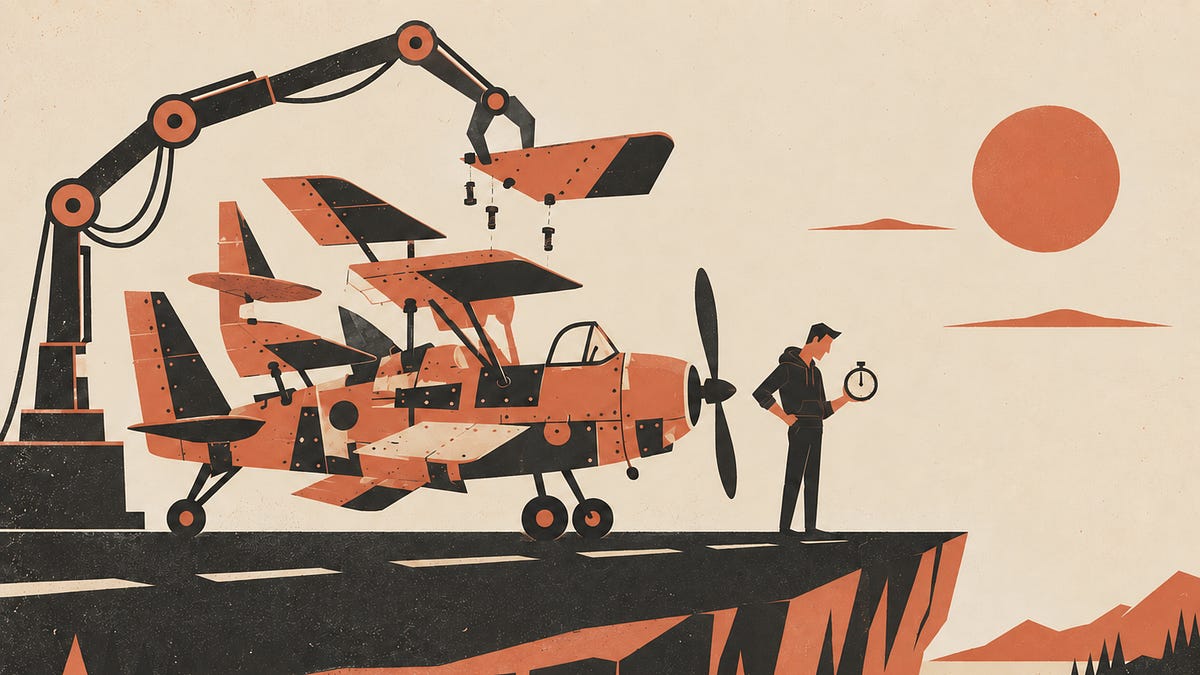
The core issue is a mismatch between transmission and reception capacity. AI allows teams to increase their output volume exponentially, yet the cognitive bandwidth of stakeholders remains finite. When the volume of incoming artefacts exceeds a stakeholder’s capacity to process and judge them, the evaluation layer fails, leading to a backlog of unreviewed work. This phenomenon is not a failure of stakeholder engagement but a systemic production challenge that requires active management.
Producers must evolve their role from mere deliverable managers to communication channel managers. Success in an AI-augmented environment requires regulating the flow of information rather than simply maximizing throughput. By thoughtfully batching, sequencing, and pacing the delivery of artefacts, producers can ensure that stakeholders are presented with manageable, reviewable content at appropriate intervals. Ultimately, the ability to maintain a sustainable evaluation cadence is a critical production discipline, as the true constraint in modern game development is no longer the speed of creation, but the capacity for informed, timely judgment.

Game Production Alchemist · 2026

Game Production Alchemist · 2026

Game Production Alchemist · 2026
Game Production Alchemist · 2026

Game Production Alchemist · 2026

Game Production Alchemist · 2026
Game Production Alchemist · 2026

Game Production Alchemist · 2026

Game Production Alchemist · 2026

Game Production Alchemist · 2026
Game Production Alchemist · 2026
Game Production Alchemist · 2026
Naavik · 2025