1 free read left. Create a free account for unlimited reading + AI research.
Create free accountArticle Game Production Alchemist
1 free read left. Create a free account for unlimited reading + AI research.
Create free accountArticleGame Production Alchemist
Each new generation or camera angle creates a different room.
Memory gap. AI models lack object permanence and memory at production scale.
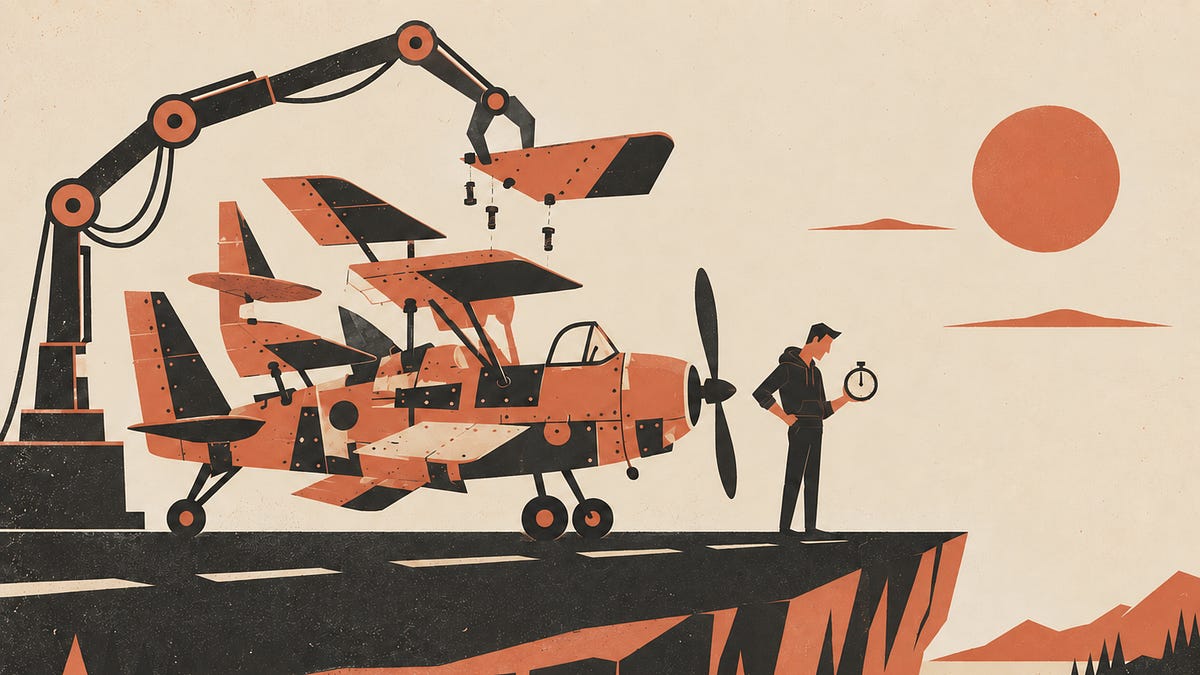
The integration of generative AI into professional game production reveals a significant gap between the capability to create individual images and the requirements for maintaining consistency at scale. While AI models demonstrate high proficiency in generating single, high-quality assets, they lack the structural memory and spatial permanence necessary for cohesive production pipelines. The thesis posits that the current generation of AI tools shifts the labor burden from creative authorship to reactive, forensic correction, ultimately failing to provide the speed or efficiency promised by industry hype.
Key findings from a series of 90 image generations using advanced API-level controls highlight the absence of reproducibility. Because modern autoregressive models do not utilize fixed seed noise, they cannot maintain consistent geometry, scale, or perspective across multiple iterations. Consequently, the production process necessitates increasingly complex, manual specifications—often reaching 900 words per prompt—to force the model to adhere to basic spatial constraints. This creates a cycle of "context rot," where the effort required to refine an image often degrades the output, rendering the tool less efficient than traditional workflows.
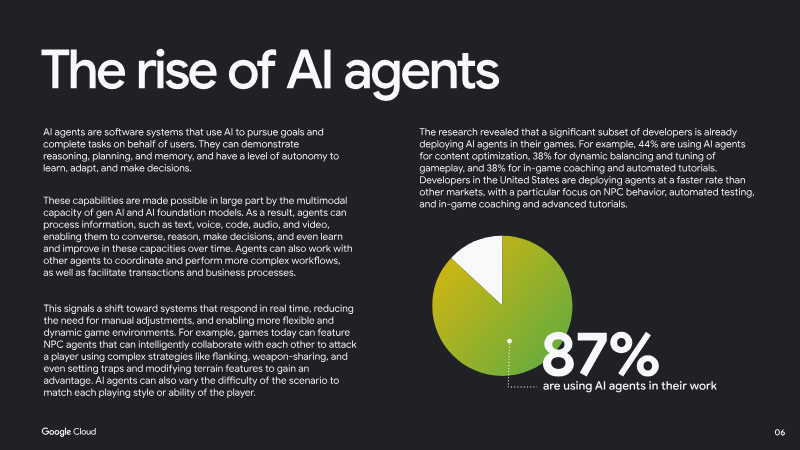
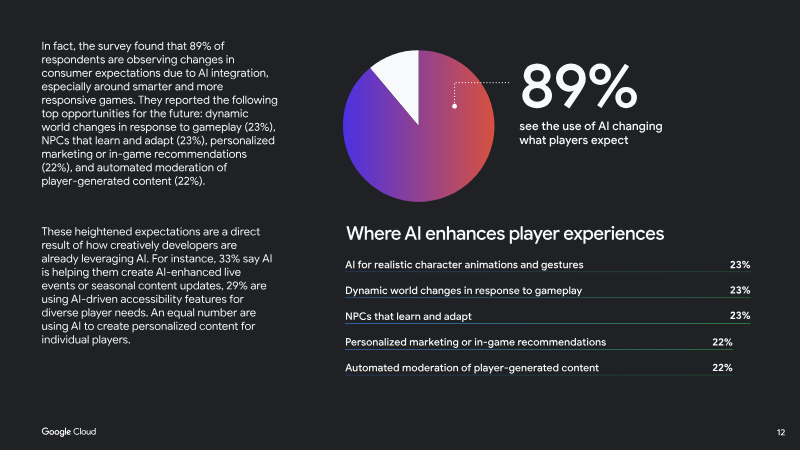
Industry data supports these observations, noting that while AI adoption is high for brainstorming, only 19% of developers utilize it for asset generation, and a mere 5% apply it to player-facing features. Furthermore, developer sentiment has shifted sharply, with negative views on AI’s impact on the industry rising from 18% in 2024 to 52% by mid-2026. The analysis concludes that for AI to function effectively in professional environments, studios must move beyond the base model and build a robust configuration layer that provides the persistence and determinism the technology currently lacks. Without such a framework, the human operator remains the essential, yet overburdened, persistence layer for the entire production.

Game Production Alchemist · 2026

Game Production Alchemist · 2026

Game Production Alchemist · 2026
Game Production Alchemist · 2026

Game Production Alchemist · 2026

Game Production Alchemist · 2026

Game Production Alchemist · 2026

Game Production Alchemist · 2026

Game Production Alchemist · 2026

Game Production Alchemist · 2026

Game Production Alchemist · 2026

Game Production Alchemist · 2026

PocketGamer.biz · 2026