1 free read left. Create a free account for unlimited reading + AI research.
Create free accountArticle Game Production Alchemist
1 free read left. Create a free account for unlimited reading + AI research.
Create free accountArticleGame Production Alchemist
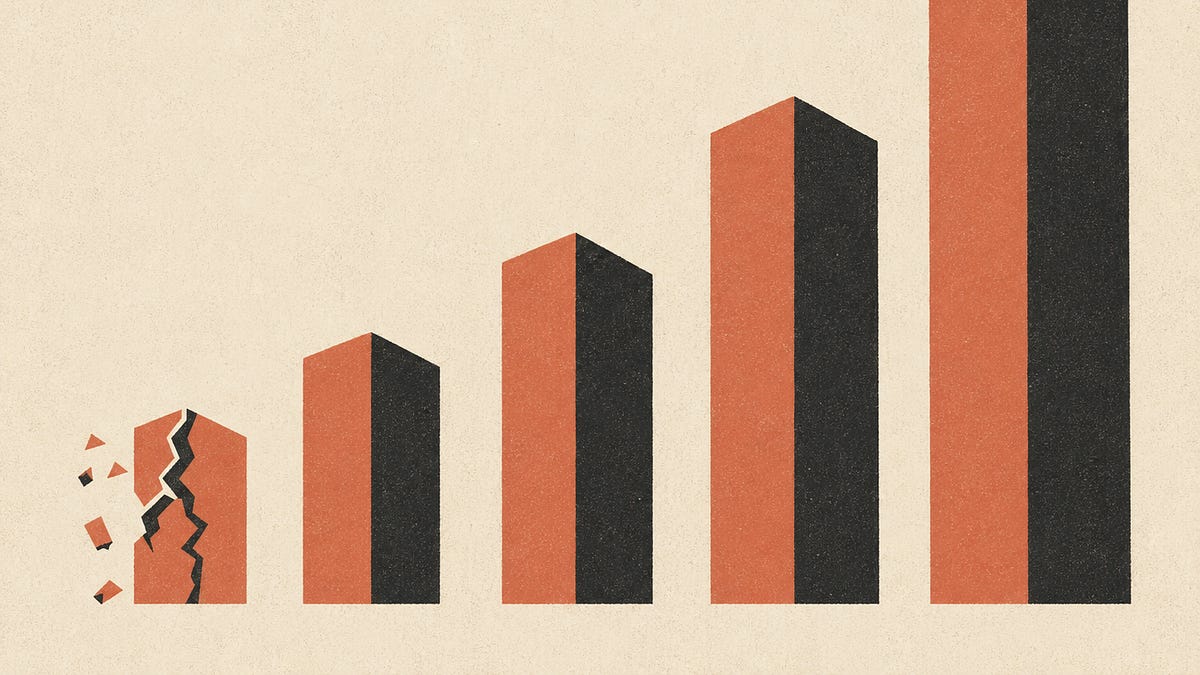
Creative pipelines are non-linear and unpredictable. Mapping them as linear activity streams makes boards complex and ineffective.
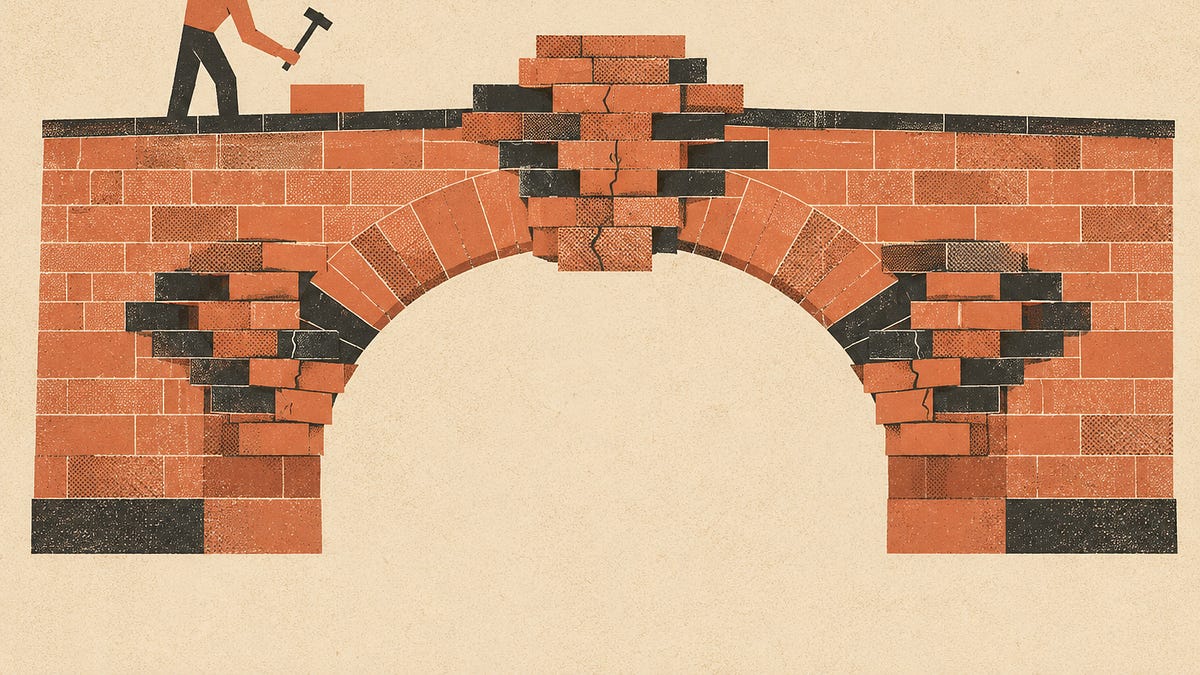
The primary thesis of this analysis is that traditional Kanban boards in creative industries frequently fail because they model the action space of human activity rather than the state space of the work itself. By attempting to map creative pipelines as linear, activity-based value streams, production managers often trigger a cycle of "column sprawl," where boards become increasingly complex and ineffective as they struggle to account for the non-linear, unpredictable nature of creative work.
The core finding is that shifting the focus from mapping activities to defining the condition or state of a work item resolves this systemic failure. When columns represent states—such as "in production" or "awaiting review"—the board remains stable regardless of the specific path an asset takes. This approach eliminates the need for constant board expansion to accommodate edge cases, such as looping or skipped stages, and resolves common team conflicts regarding "backflow," as items are understood to remain in a single state until they transition forward or exit the system entirely.
The scope of this perspective covers three decades of game production experience, specifically addressing the challenges of managing creative workflows and art co-development. The methodology relies on a conceptual reframe of Kanban theory, moving away from rigid, factory-floor-inspired value stream mapping toward a more flexible, state-based model. This shift allows for clearer data separation between internal team performance and external client dependencies, providing a more accurate representation of flow metrics. Ultimately, the analysis concludes that by treating the board as a state space, production managers can move beyond the limitations of traditional, route-based tools to create more resilient and transparent project management systems.
Game Production Alchemist · 2026
Game Production Alchemist · 2026

Game Production Alchemist · 2026
Game Production Alchemist · 2026

Game Production Alchemist · 2026
Game Production Alchemist · 2026
Game Production Alchemist · 2026
Game Production Alchemist · 2026
Game Production Alchemist · 2026

Game Production Alchemist · 2026
Game Production Alchemist · 2026
Game Production Alchemist · 2026
The Game Business · 2026