1 free read left. Create a free account for unlimited reading + AI research.
Create free accountArticle Game Production Alchemist
1 free read left. Create a free account for unlimited reading + AI research.
Create free accountArticleGame Production Alchemist
The role balances external milestones with internal team health. Producers create conditions for staff to execute reliably.
Dual accountability. Internal producers ensure project delivery while protecting team capacity and long-term sustainability.
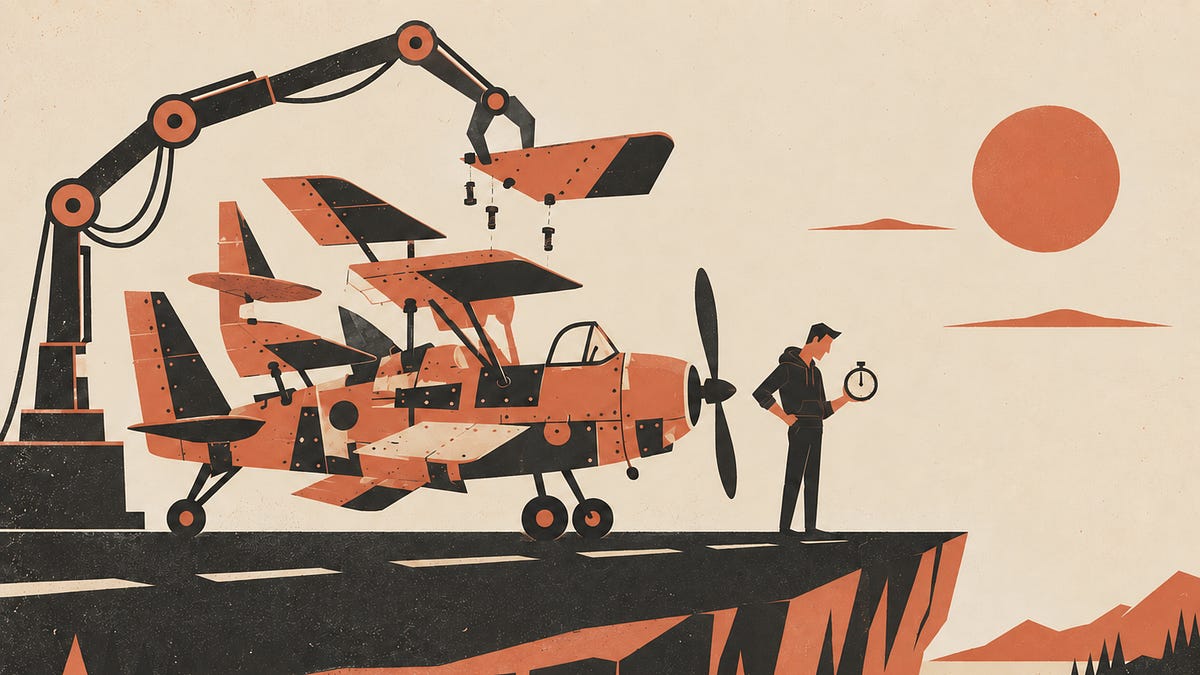
The role of an internal game producer is defined by a dual accountability to both project delivery and team sustainability. While often categorized as project management, the position requires a more nuanced balance between meeting external milestones—such as schedules, budgets, and stakeholder expectations—and maintaining the internal health, capacity, and morale of the development team. The producer acts as a facilitator who creates the necessary conditions for creative and technical staff to execute their work reliably without compromising the long-term stability of the studio.
Core responsibilities include schedule planning, cross-department coordination, budget oversight, risk management, and stakeholder communication. Producers must navigate shifting project scopes and ensure that quality assurance processes are effectively integrated into the development cycle. While many studios utilize agile methodologies like Scrum or Kanban, the producer must remain flexible, adapting these frameworks to fit the specific rhythms of game development rather than adhering to them dogmatically.
There is no singular career path into internal production; professionals often transition from roles in quality assurance, game design, programming, or external product management. Success in the role is frequently linked to a high level of curiosity regarding the project as a whole rather than a focus on individual tasks. Furthermore, the scope of the position varies significantly by studio size: producers at small studios typically function as generalists managing all aspects of production, whereas those at large studios often operate as specialists focused on specific features or content tracks. Ultimately, the role requires the ability to synthesize complex information and maintain clear communication across diverse departments to ensure project goals remain feasible.

Game Production Alchemist · 2026

Game Production Alchemist · 2026

Game Production Alchemist · 2026
Game Production Alchemist · 2026

Game Production Alchemist · 2026

Game Production Alchemist · 2026

Game Production Alchemist · 2026

Game Production Alchemist · 2026

Game Production Alchemist · 2026

Game Production Alchemist · 2026

Game Production Alchemist · 2026

Game Production Alchemist · 2026
Jason Schreier · 2026