ArticleGame Production Alchemist
I Have Never Seen a Game Fail Because the Artists Were Too Slow
3 Aug 20261 pages~21 min full read
Key insights
5 slides
The counterproductive tool
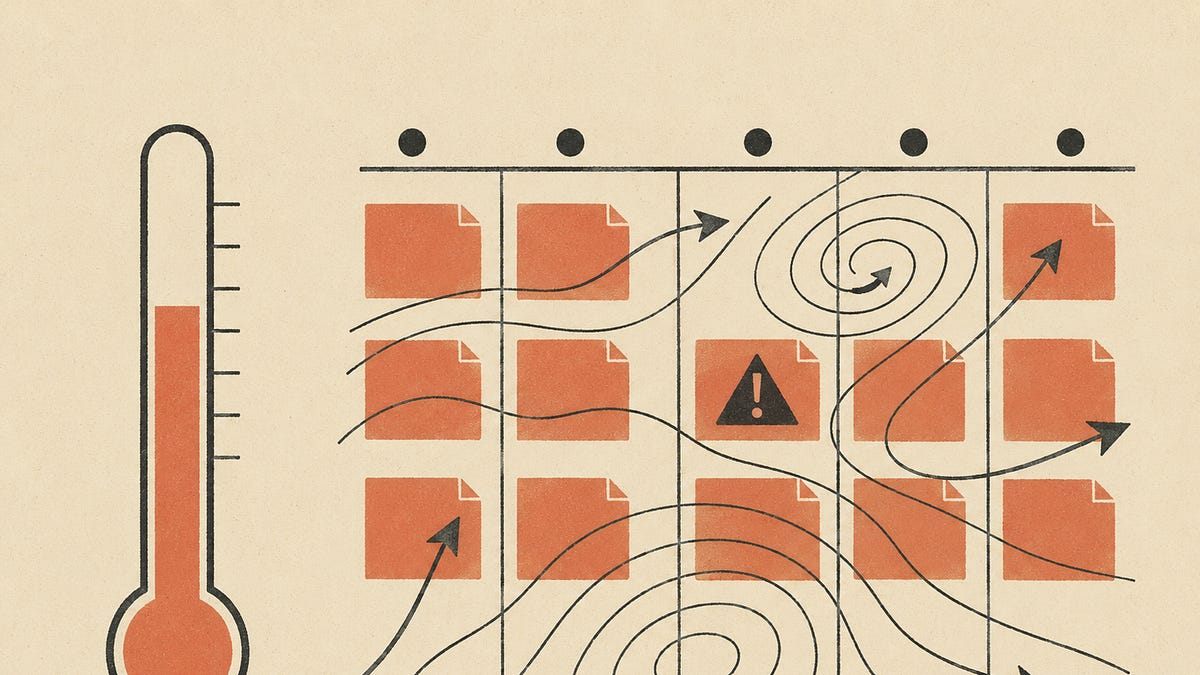
Faster execution with generative AI increases the cost of unstable direction.
Accelerating task-level execution without addressing project vision volatility increases the volume of work-in-flight. This work is ultimately discarded during leadership pivots, inflating costs rather than optimizing them.
What studios ignore
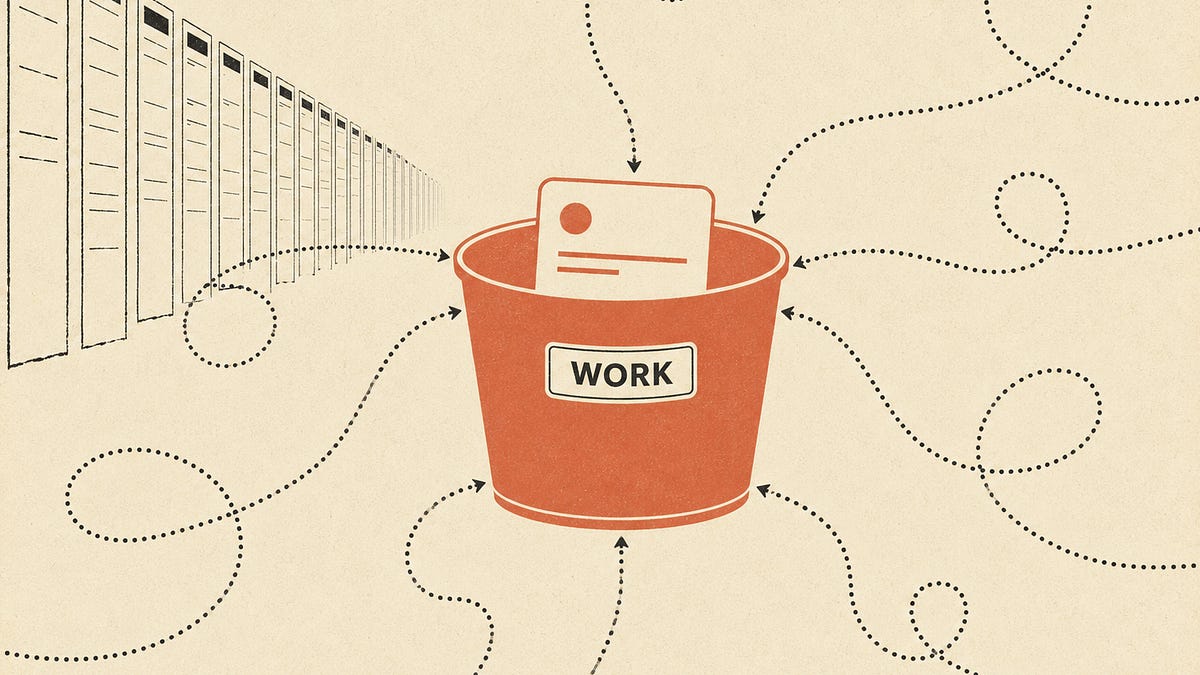
Studios fail to track decision latency, durability, and rework rates.
The industry invests in tools to speed up efficient processes while ignoring the expensive, unmeasured decision layer. Critical metrics like decision latency and decision durability are often politically awkward to track.
- 01Track decision latencyMeasure time from question to recorded decision
- 02Track decision durabilityMeasure how long a decision remains unchanged
- 03Track rework rateMeasure actual rework rates
The evidence
Generative AI pilots show a 95% failure rate in producing measurable impact.
Enterprise generative AI pilots show a 95% failure rate in producing measurable profit/loss impact. This occurs despite $30-40 billion in investment, primarily due to integration and workflow fit issues.
The workforce view
52% of respondents report a negative effect of generative AI.
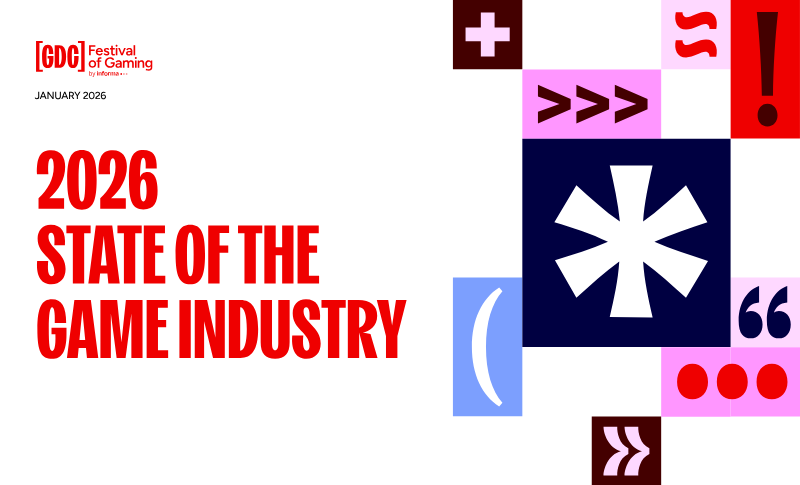
The game development workforce is increasingly pessimistic about generative AI. In the GDC 2026 State of the Game Industry survey, 52% of respondents reported a negative effect, up from 18% two years prior.
The cancellation signal
Embracer Group quietly cancelled 29 unannounced games in six months.
Embracer Group quietly cancelled 29 unannounced games between July and December 2023.
1 / 5
Ask AI about this report