The gaming industry is currently defined by a pursuit of scale, with major entities like Roblox and Xbox establishing a target of one billion daily active users. This strategy reflects a broader, problematic trend where game companies increasingly model their operations after traditional tech businesses. By prioritizing sheer volume over depth, these firms risk misinterpreting the fundamental nature of the gaming sector, which functions more effectively as a cultural industry than a purely technological one.
The reliance on positive network effects—the assumption that a larger user base inherently increases a platform's value—is a core tenet of this growth-at-all-costs philosophy. However, research indicates that this approach is often flawed in the context of digital entertainment. Data suggests that platforms with higher user counts do not necessarily achieve superior engagement. Instead, long-term success is more closely tied to consistent community interaction and the meaningfulness of the user experience. For instance, while Roblox reached a peak of 151.5 million daily active users in the third quarter of 2025, it has since experienced a decline in peak concurrent users, signaling that viral growth is an unreliable metric for sustained health.
A more accurate measure of platform viability is the depth of individual user involvement rather than total download or login numbers. Evidence shows that while Roblox’s peak concurrent activity has dropped by over a third, its trough concurrent activity—representing the platform's baseline habit-driven usage—has increased by more than 20 percent. This shift suggests that a platform prioritizing consistent, everyday engagement is fundamentally more stable than one chasing volatile, viral spikes. Ultimately, the industry’s obsession with reaching a billion users is a hollow strategic goal if it fails to account for the quality and duration of the time players spend within these digital ecosystems.
SuperJoost · 2026
SuperJoost · 2026
SuperJoost · 2026
SuperJoost · 2026
SuperJoost · 2026
SuperJoost · 2026
SuperJoost · 2026
SuperJoost · 2026

SuperJoost · 2026
SuperJoost · 2026
SuperJoost · 2026
SuperJoost · 2026
InvestGame
Competition · 2026
IGN Entertainment · 2026

Almedia · 2026
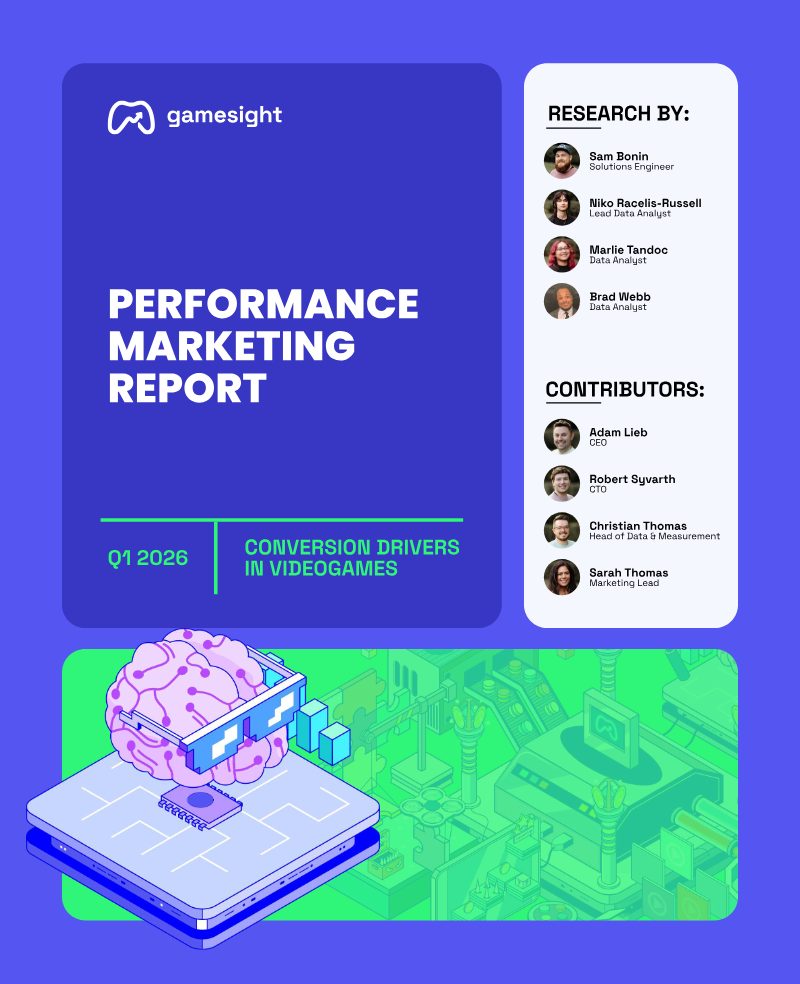
Gamesight · 2026
Sensor Tower · 2026
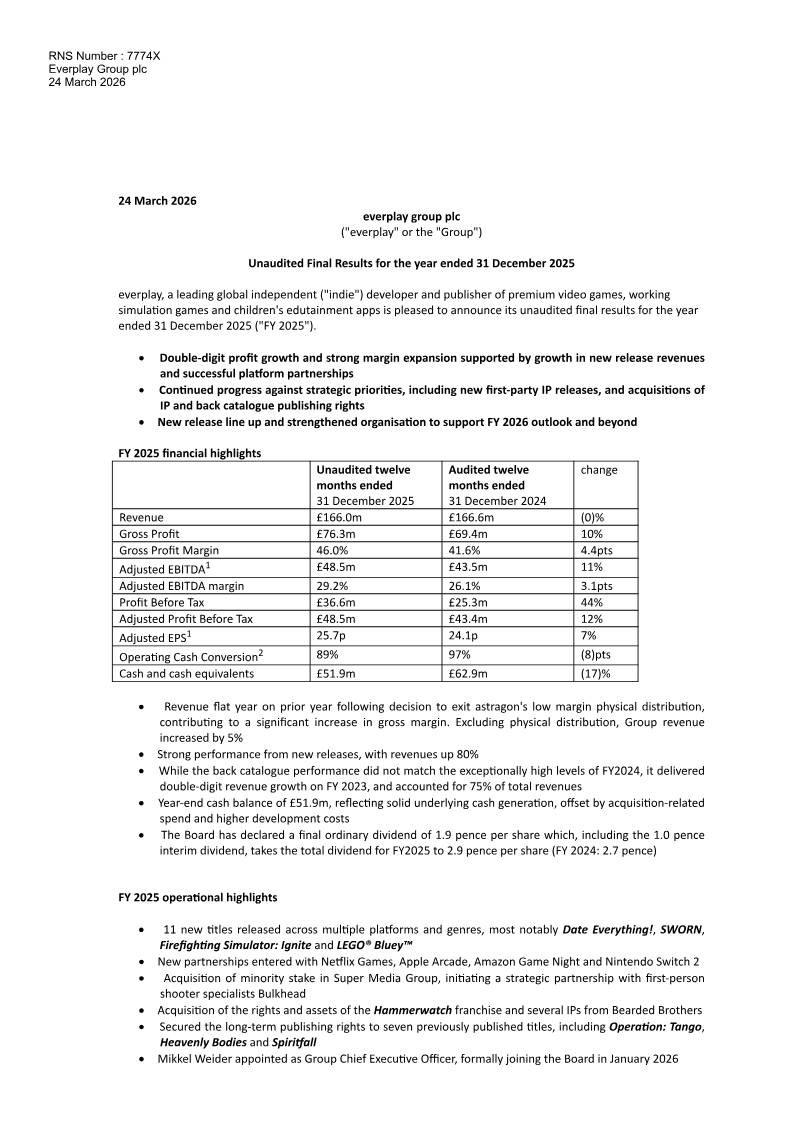
Everplay Group · 2026
Capcom · 2026
Square Enix · 2026
Modern Times Group · 2026

InvestGame · 2026
InvestGame · 2026