
The search for a single, unified software tool capable of both planning and tracking game production is fundamentally flawed. Planning and tracking serve distinct, often contradictory purposes: planning requires forward-looking, opinionated data models for estimation and dependency management, while tracking demands backward-looking, append-only records of ground truth. Because these requirements are structurally incompatible, attempts to force them into one system consistently result in tools that perform poorly at both functions.
Industry data highlights the inefficiency of current practices, noting that the average organization utilizes eleven project management tools and ten collaboration apps without achieving consolidation. This fragmentation leads to significant productivity losses, with workers spending approximately 9.3 hours per week searching for information across disparate systems. Producers have historically bridged this gap through manual, labor-intensive reconciliation, which requires nuanced human judgment to interpret data discrepancies rather than simple clerical entry.
Rather than seeking a unified platform, the optimal approach involves leveraging specialized tools for their respective strengths and utilizing agentic AI to bridge them. By deploying an AI agent to synthesize data from separate planning and tracking systems on demand, producers can automate the compilation of status reports. This workflow allows for real-time, accurate reporting without requiring a permanent, stale, or unified data schema.
This methodology shifts the producer’s role from manual data compilation to high-level validation and strategic interpretation. By automating the synthesis of plan-versus-actual data, producers can identify genuine project signals—such as missing ticket updates or scheduling risks—more efficiently. This approach enables teams to maintain their preferred specialized software while significantly reducing the administrative burden of reconciliation, ultimately allowing for more effective project oversight and faster decision-making.

Game Production Alchemist · 2026

Game Production Alchemist · 2026
Game Production Alchemist · 2026
Game Production Alchemist · 2026
Game Production Alchemist · 2026

Game Production Alchemist · 2026

Game Production Alchemist · 2026
Game Production Alchemist · 2026

Game Production Alchemist · 2026

Game Production Alchemist · 2026
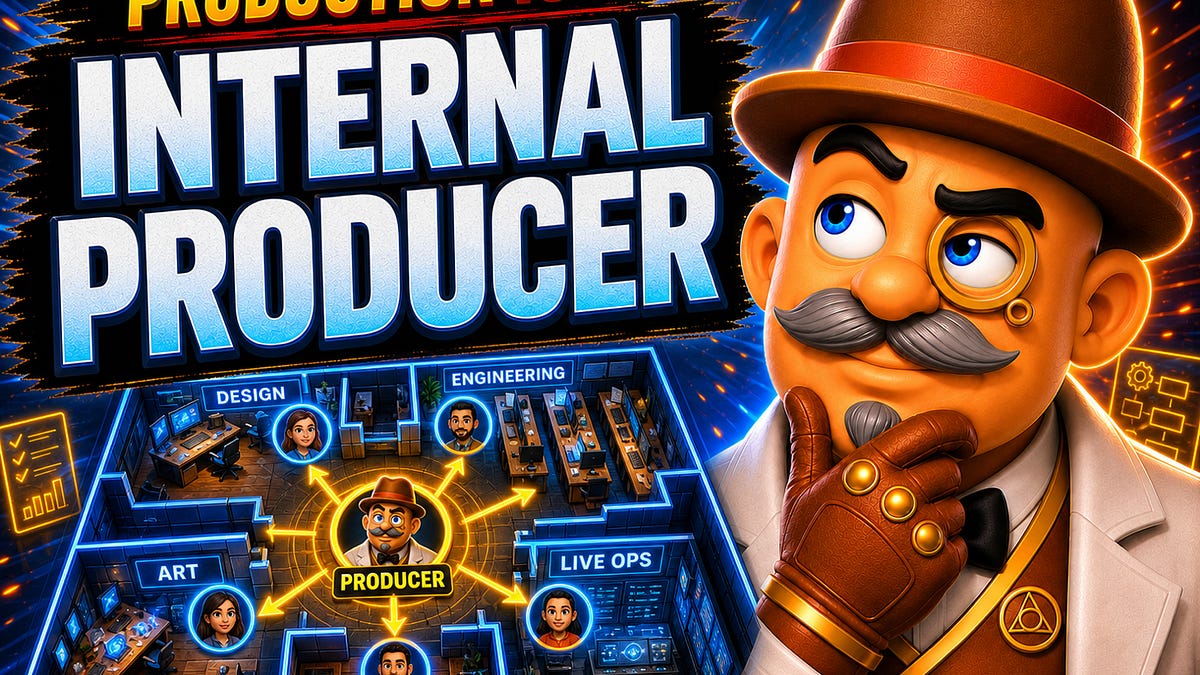
Game Production Alchemist · 2026
Game Production Alchemist · 2026
Room 8 Group · 2024
GameAnalytics
East Side Games
Poki · 2026
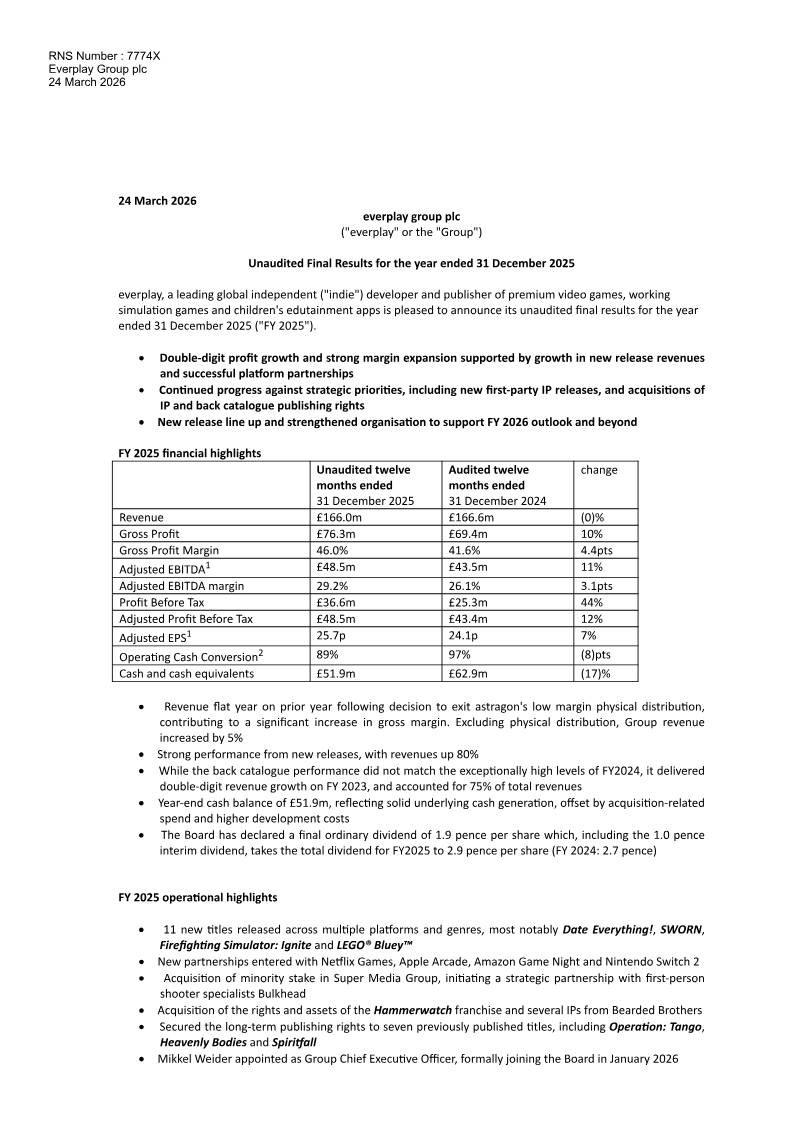
Everplay Group · 2026
BITKRAFT Ventures · 2026
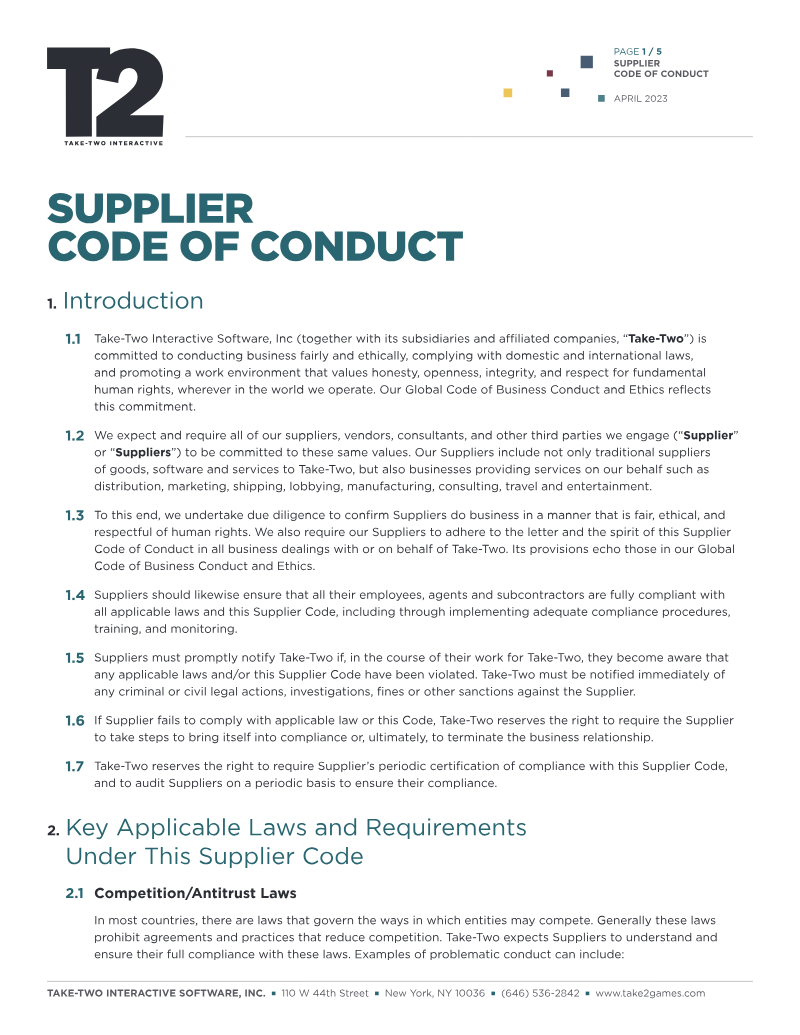
Take-Two Interactive · 2026
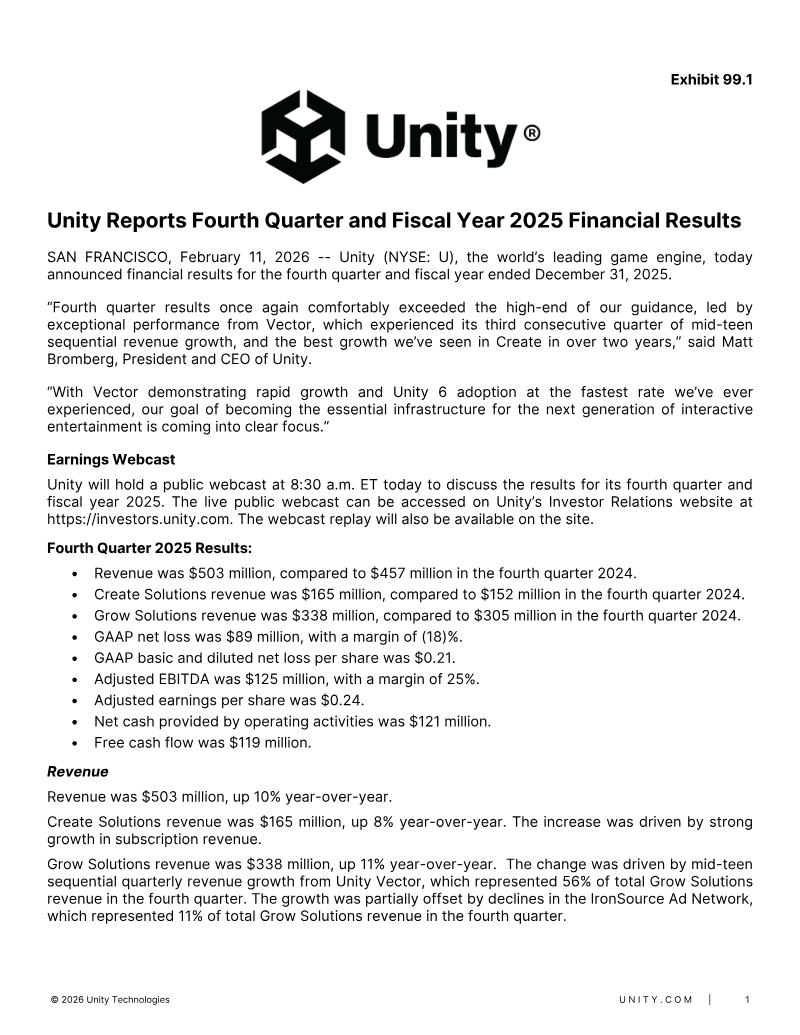
Unity · 2026
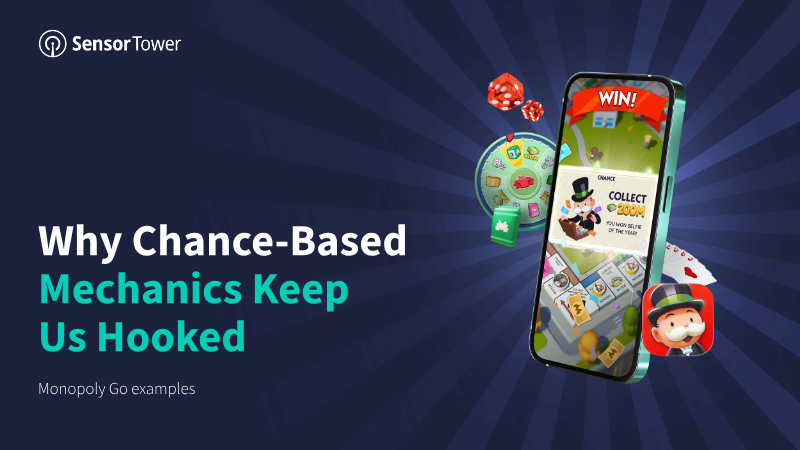
Sensor Tower · 2026
Poki · 2026
InvestGame · 2025
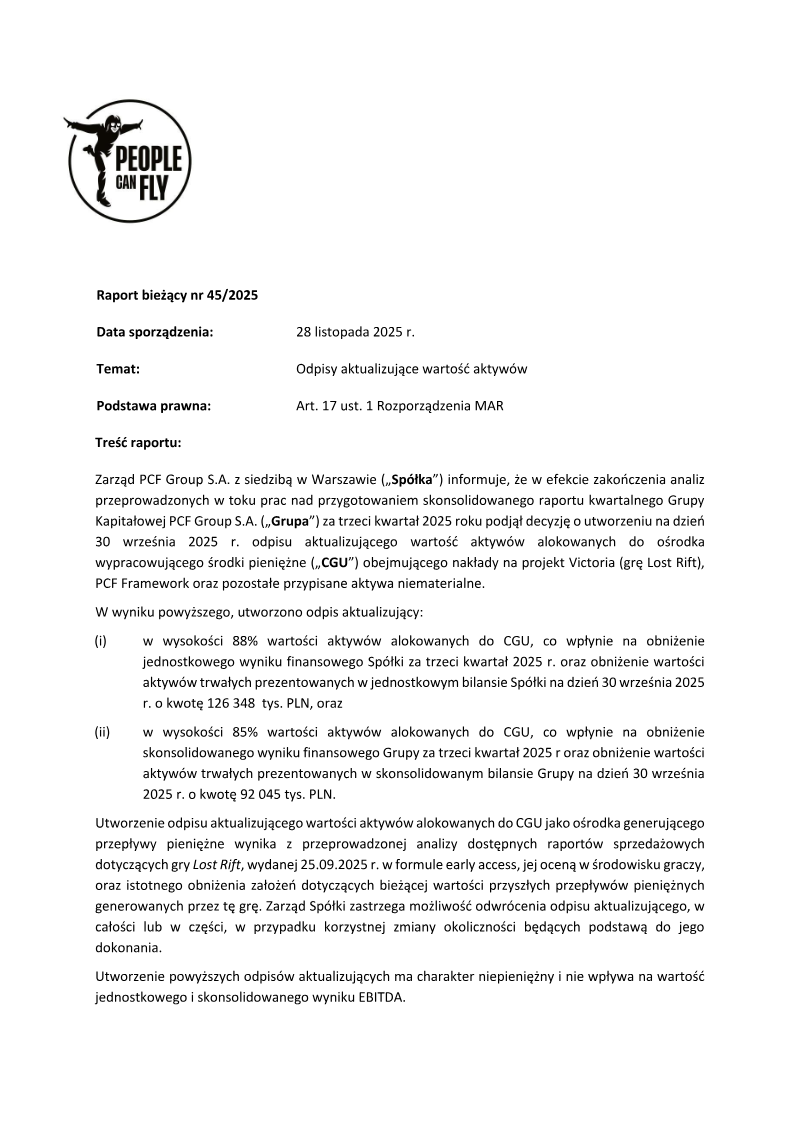
PCF Group · 2025