ArticleGame Production Alchemist
The Real Framework Is the One You Build on Top
8 Jun 20261 pages~10 min full read
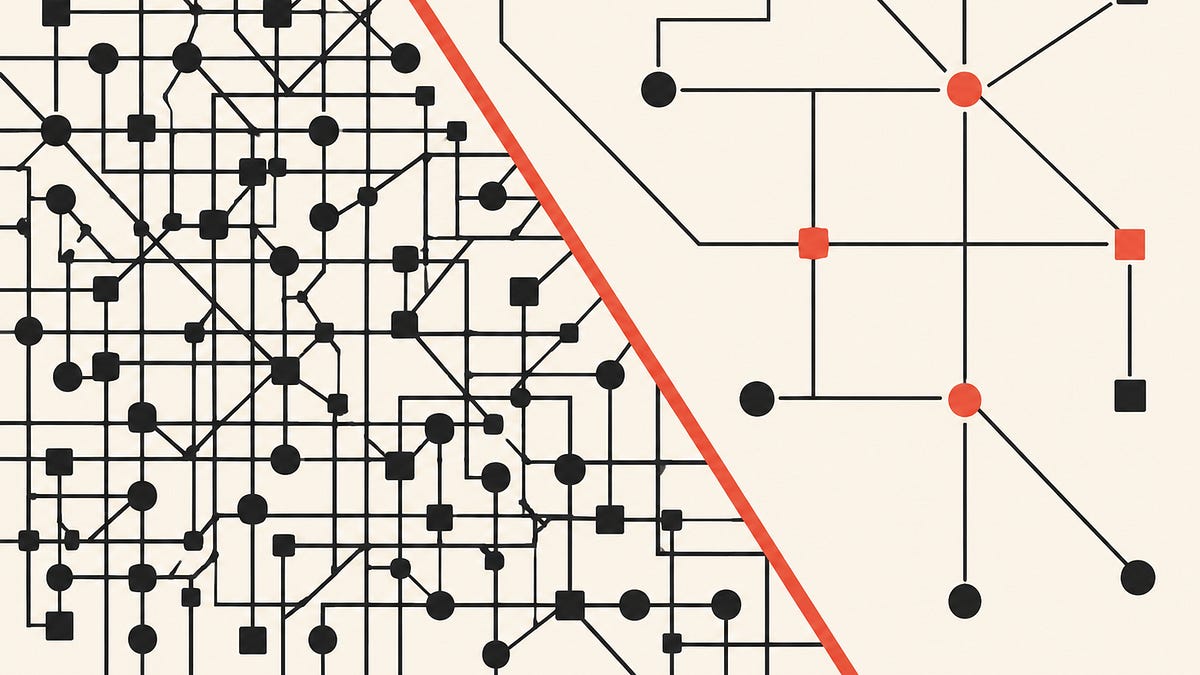
The adoption of AI-assisted development tools in game production frequently leads to a significant accumulation of technical debt, often rendering initial frameworks insufficient for long-term project viability. The core thesis posits that while off-the-shelf frameworks provide a necessary starting point, successful production requires the implementation of a custom, project-specific constraint layer. This system, built on top of existing tools, is essential for managing the structural degradation that occurs when AI-generated code volume outpaces quality control.
Industry data underscores the severity of this challenge. The 2026 LinearB Software Engineering Benchmarks Report, analyzing 8.1 million pull requests across 4,800 teams, indicates that technical debt increases by 30% to 41% following the adoption of AI coding tools. Furthermore, research from the IBM Institute for Business Value suggests that teams failing to address this debt experience a 18% to 29% decline in project returns and timeline expansions of up to 22%. These findings are supported by broader market trends, with Gartner projecting that over 40% of agentic AI projects will be stalled by 2027 due to inadequate risk controls and unclear value.
Effective mitigation relies on the principle of jidoka, or stopping the production line to address defects immediately rather than allowing them to compound. Case studies within the Claude Code Game Studios community demonstrate that high-performing teams treat AI-driven degradation as diagnostic data. By implementing specific governance measures—such as capping deferred items, utilizing custom bash scripts to manage context consumption, and enforcing rigorous testing suites—producers can transform a generic framework into a functional, sustainable production system. Ultimately, the most effective governance structures are those earned through project-specific experience, as they cannot be fully anticipated or packaged by standard software repositories.

Game Production Alchemist · 2026

Game Production Alchemist · 2026

Game Production Alchemist · 2026
Game Production Alchemist · 2026
Game Production Alchemist · 2026

Game Production Alchemist · 2026

Game Production Alchemist · 2026
Game Production Alchemist · 2026

Game Production Alchemist · 2026

Game Production Alchemist · 2026
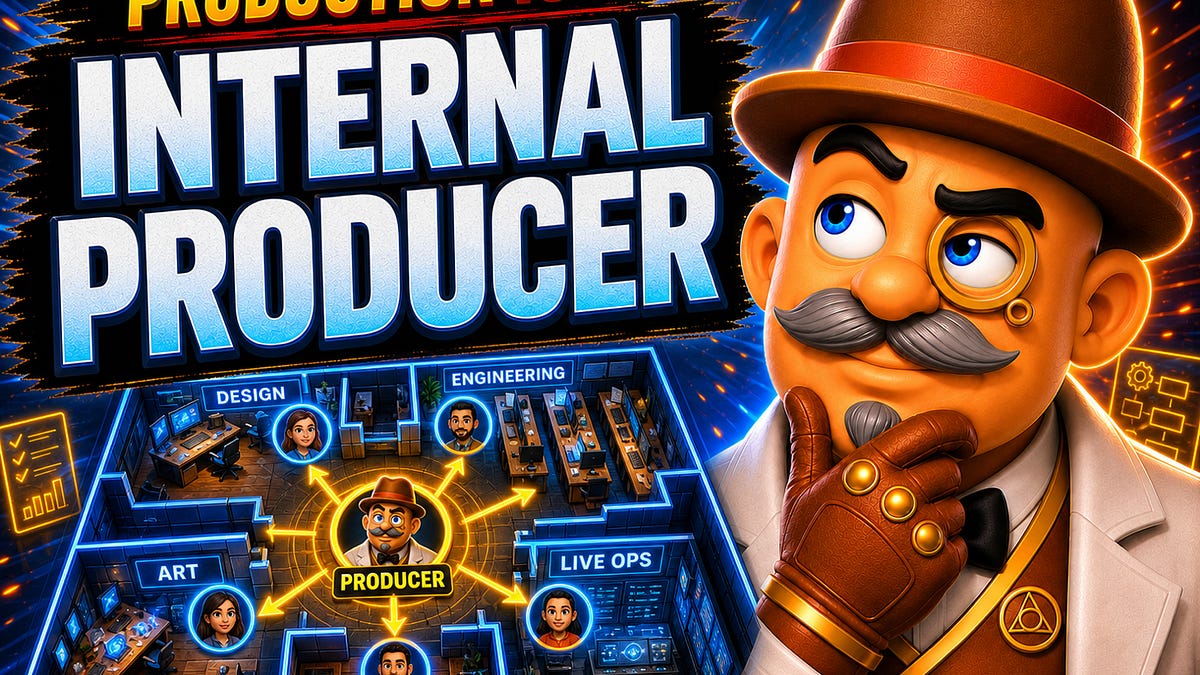
Game Production Alchemist · 2026

Game Production Alchemist · 2026
Room 8 Group · 2024

GameAnalytics

East Side Games
Poki · 2026
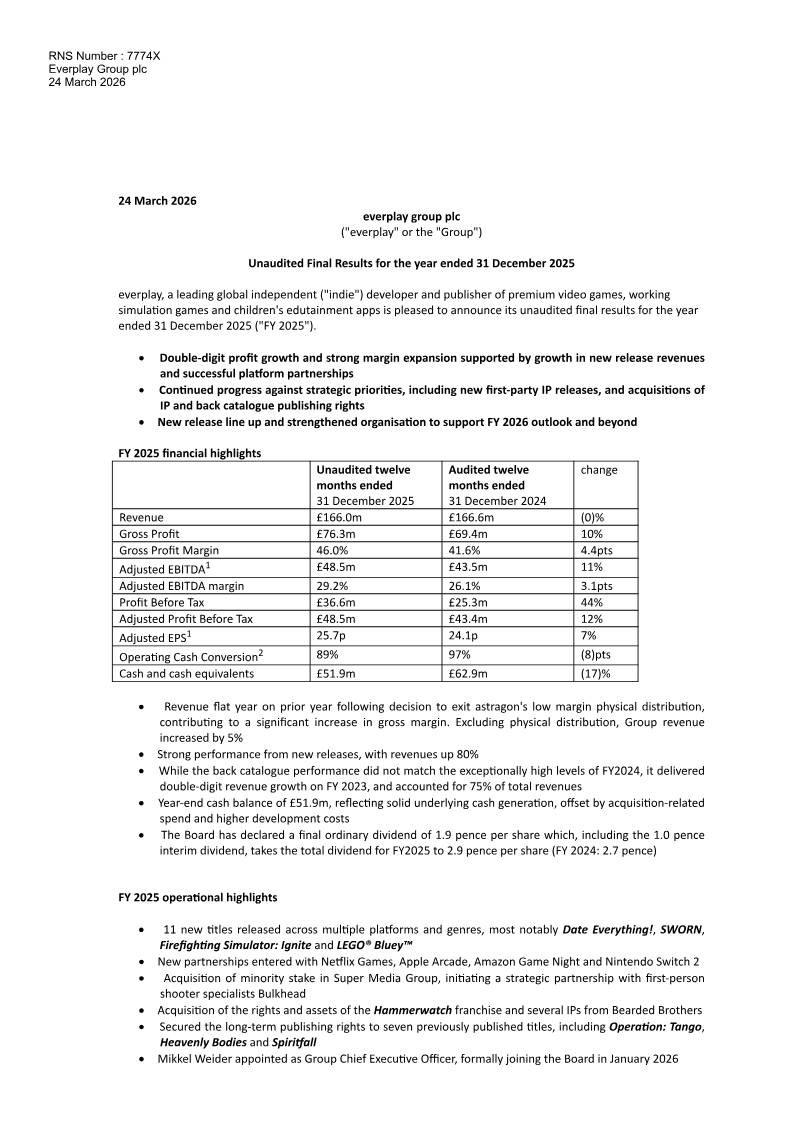
Everplay Group · 2026
BITKRAFT Ventures · 2026
Take-Two Interactive · 2026
Unity · 2026

Sensor Tower · 2026
Poki · 2026
InvestGame · 2025
PCF Group · 2025