

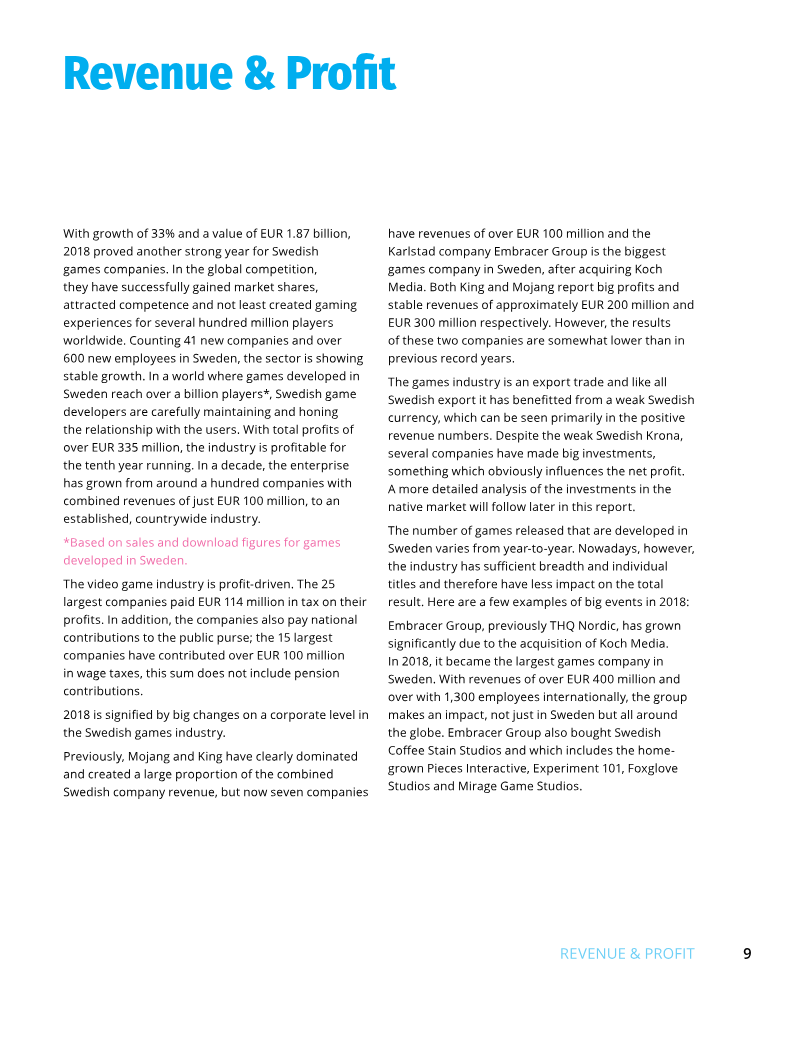
The industry's value increased by 33% in 2018. It marked the tenth consecutive profitable year.
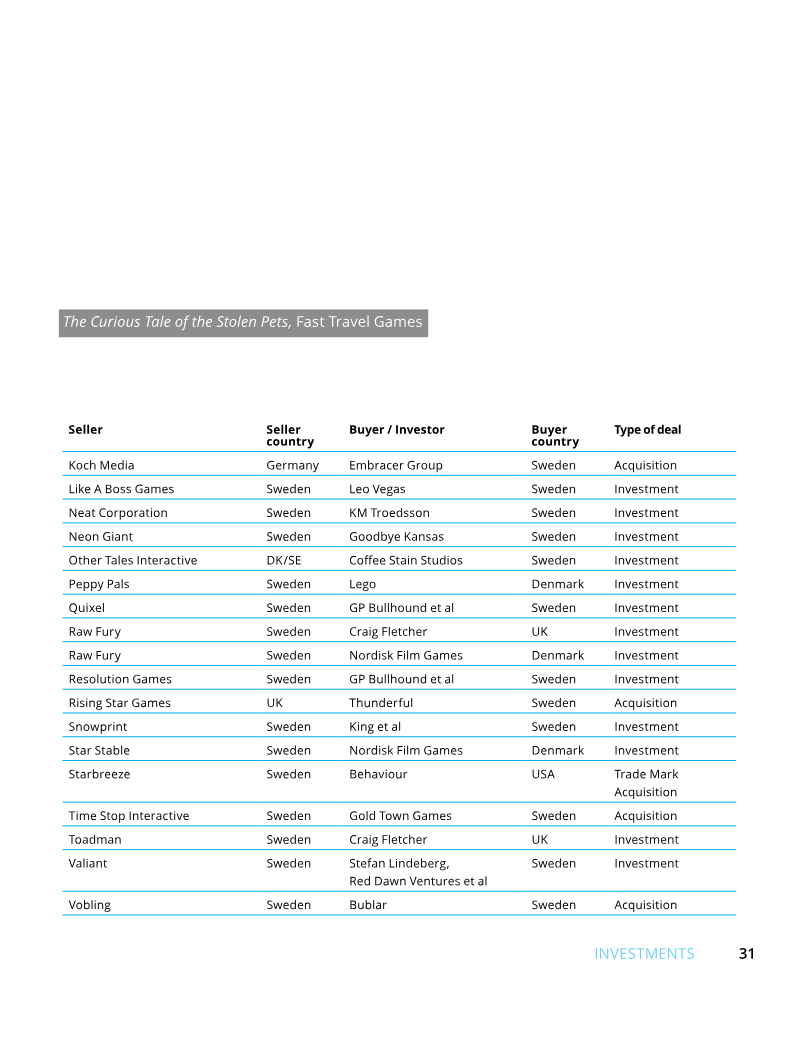
The Swedish game industry achieved record-breaking performance in 2018, characterized by a 33 percent revenue increase to EUR 1.87 billion and a 48 percent surge in total employment, reaching 7,924 staff members. This growth trajectory, marking the tenth consecutive year of profitability, is underpinned by a robust ecosystem of regional clusters, incubators, and educational partnerships. The sector has evolved into a more diversified landscape, bolstered by 38 investment deals totaling nearly EUR 400 million in 2018 and an active strategy of cross-border acquisitions by Swedish firms.
Despite this expansion, the industry faces structural vulnerabilities and operational hurdles. While titles such as A Way Out and Yoku’s Island Express have garnered international acclaim, the market remains inherently volatile, as demonstrated by the financial restructuring of major players like Starbreeze. Furthermore, the industry contends with a persistent talent shortage and administrative barriers to international recruitment. Gender diversity remains a concern, with women comprising only 21 percent of the workforce, highlighting a need for more inclusive growth strategies.
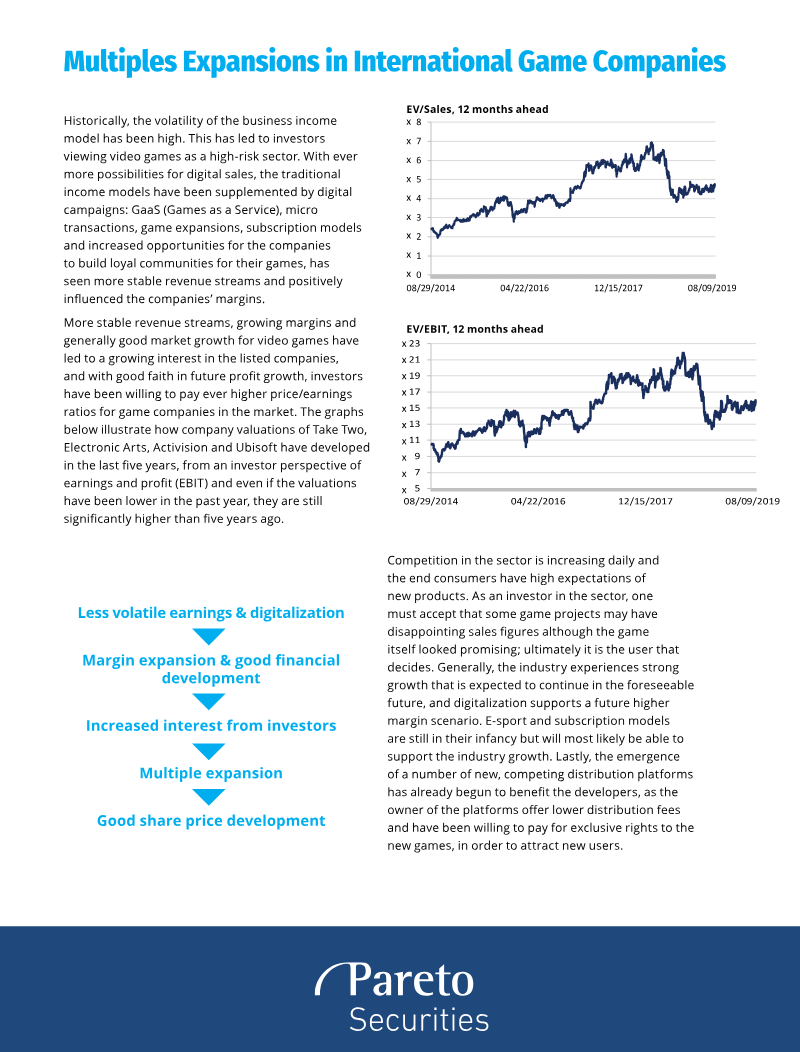
Long-term competitiveness is further threatened by external pressures, specifically the rise of digital piracy, app cloning, and the unauthorized sale of game keys. Smaller developers, in particular, lack the resources to effectively protect their intellectual property against these threats. To sustain its global standing, the sector requires improved financing structures, more effective digital market regulations, and a concerted effort to address the risks associated with intense competition and project volatility. While the shift toward "Games as a Service" models offers increased revenue stability, the industry must navigate these complex regulatory and human capital challenges to maintain its current momentum.
Dataspelsbranschen · 2025
Dataspelsbranschen · 2025
Dataspelsbranschen · 2025
Dataspelsbranschen · 2025
Dataspelsbranschen · 2024
Dataspelsbranschen · 2024


Swedish Games Industry · 2024

Dataspelsbranschen · 2024
Dataspelsbranschen · 2024
Dataspelsbranschen · 2024
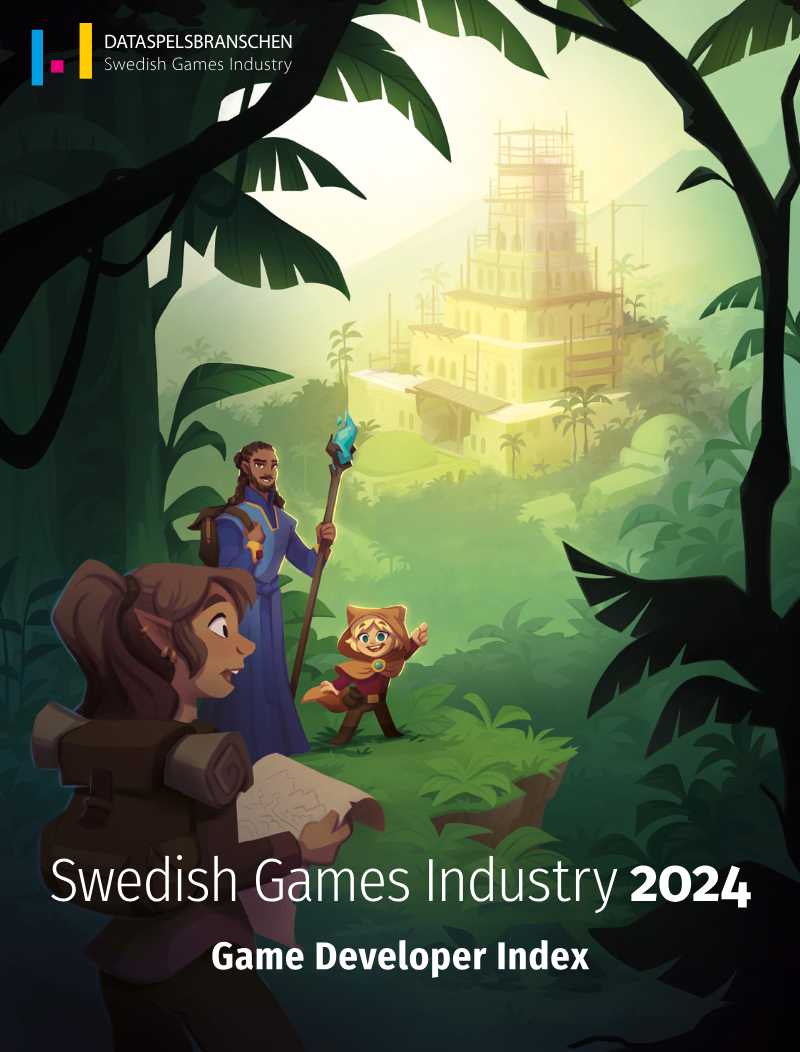
Swedish Games Industry · 2024
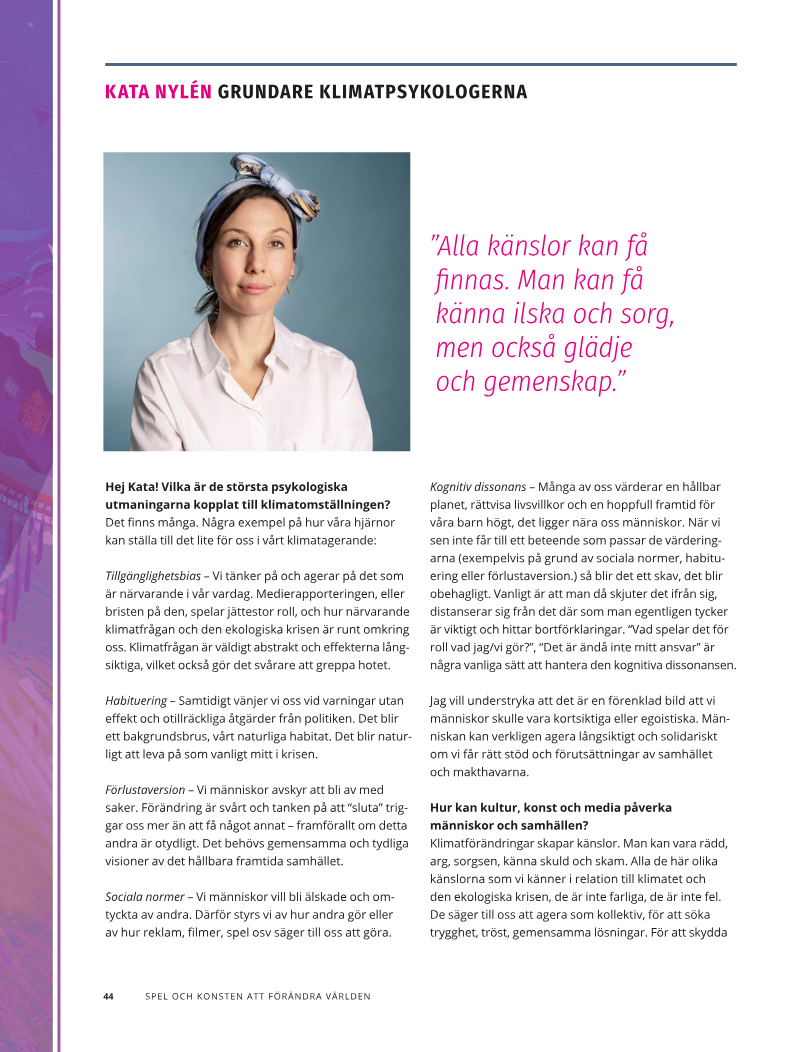

Dataspelsbranschen · 2024
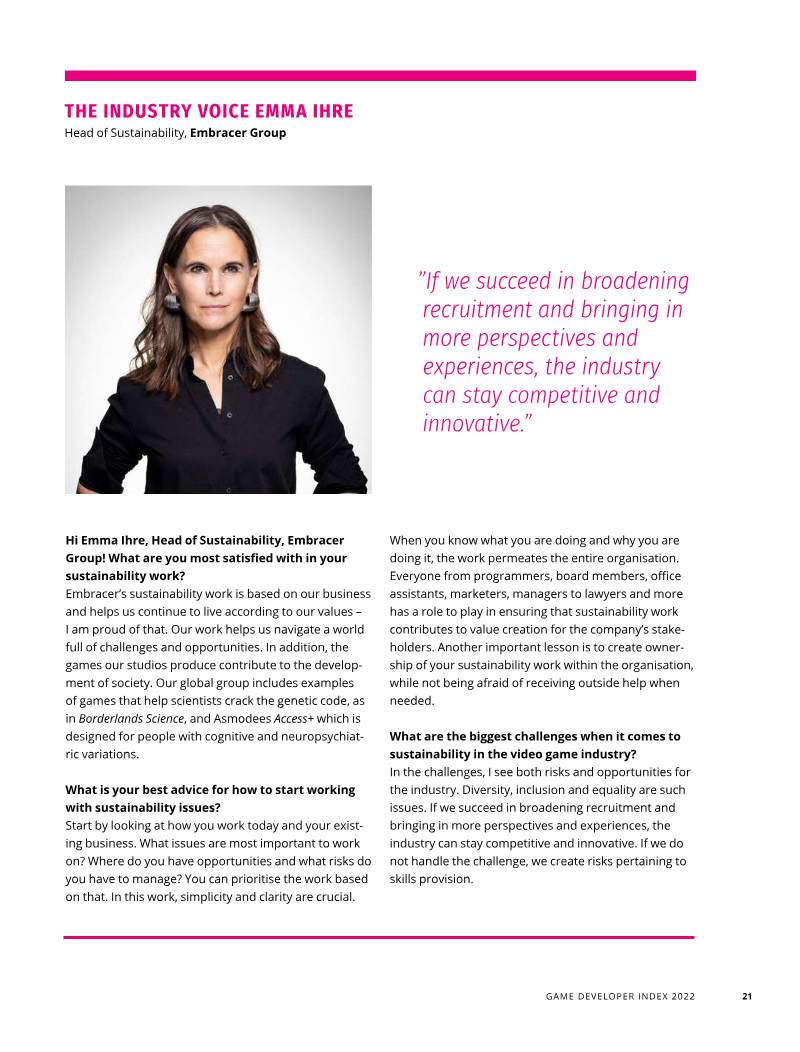
Swedish Games Industry · 2022
Dataspelsbranschen · 2021
Dataspelsbranschen · 2020
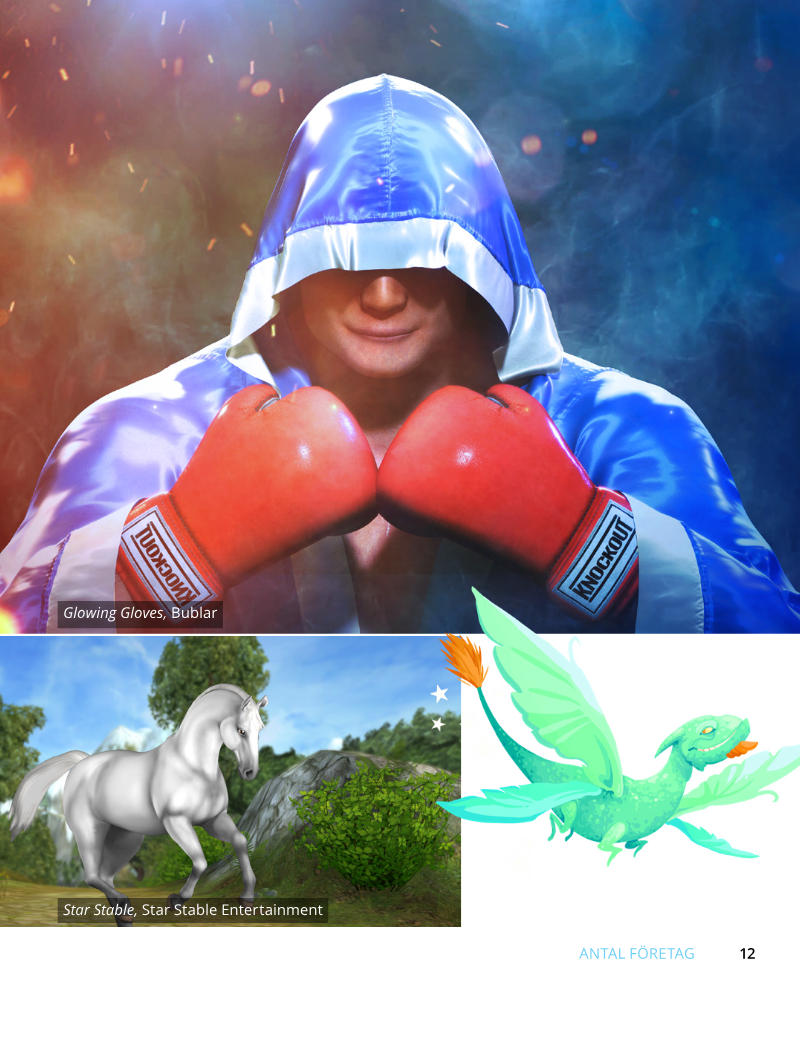
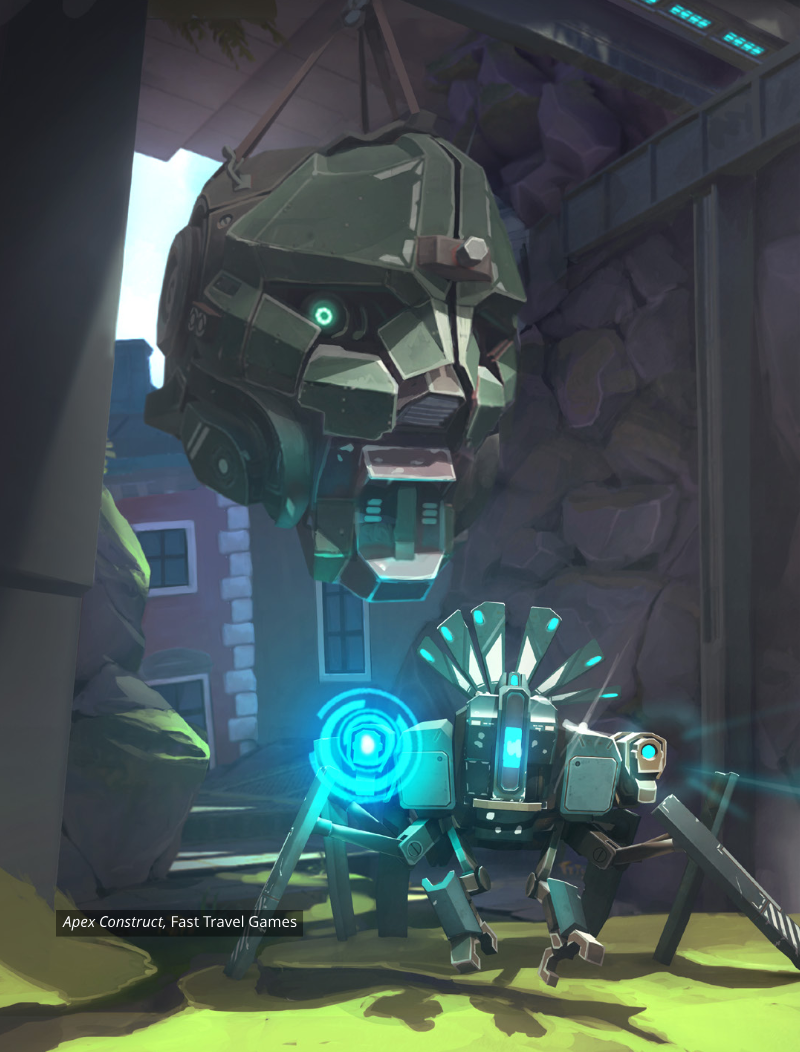
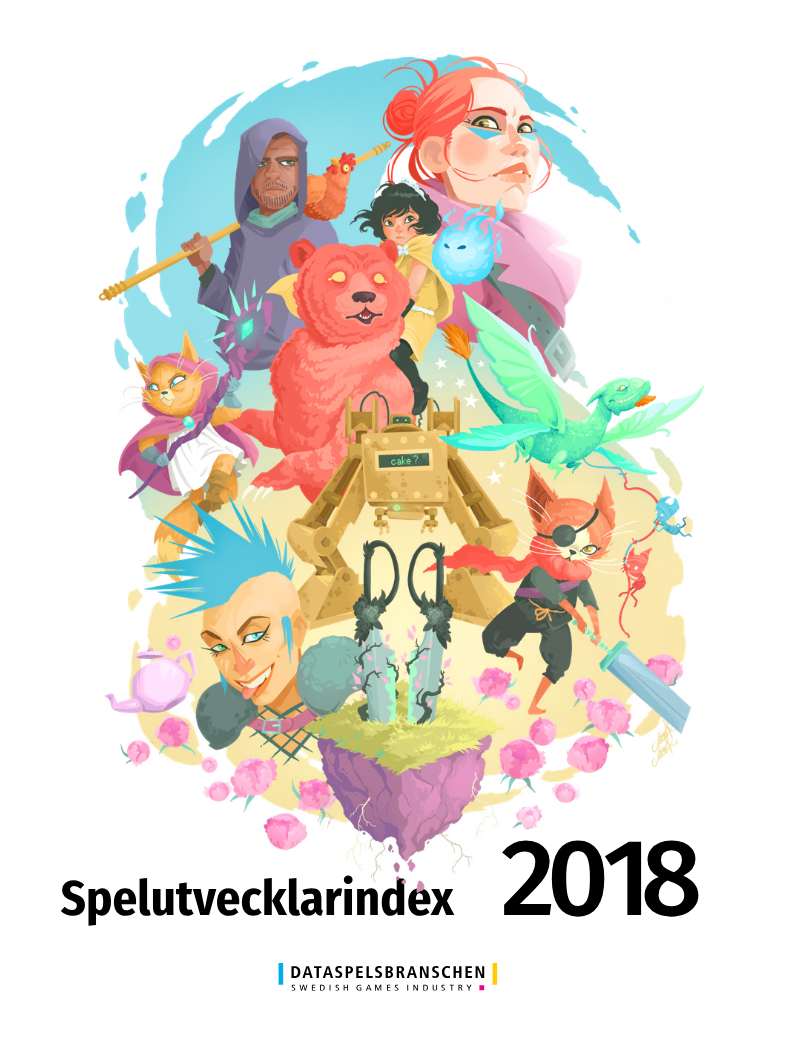
Dataspelsbranschen · 2018

Deconstructor of Fun · 2025
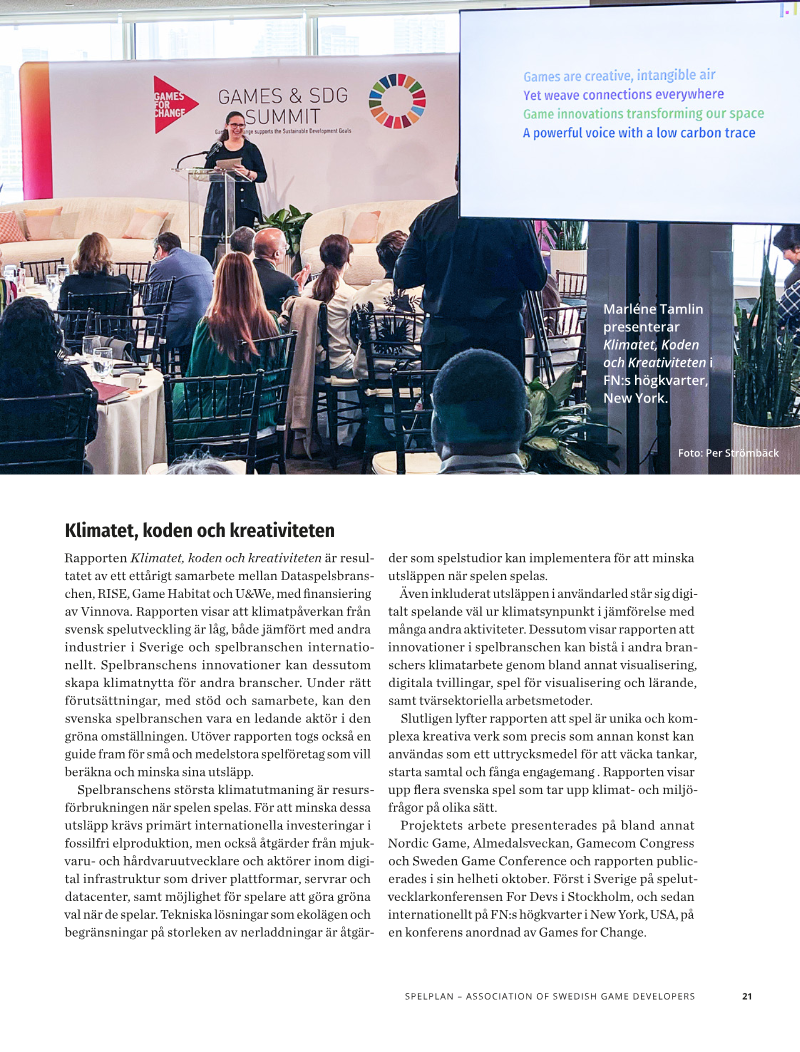
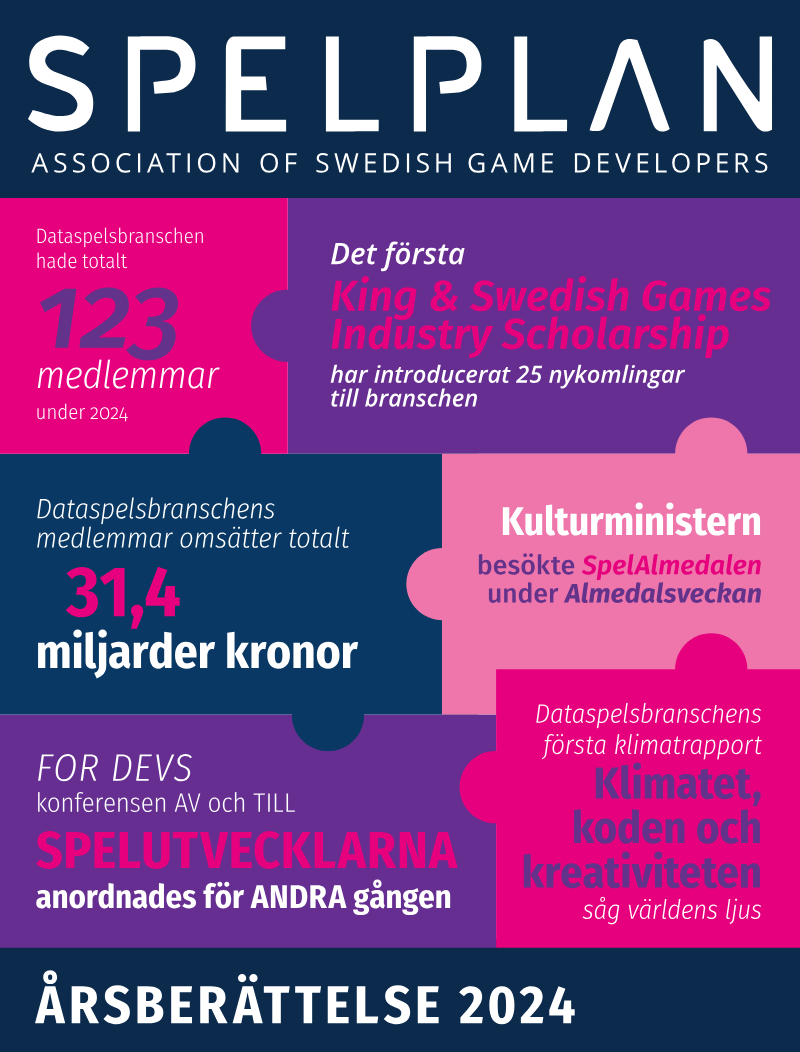
Spelplan-ASGD · 2025
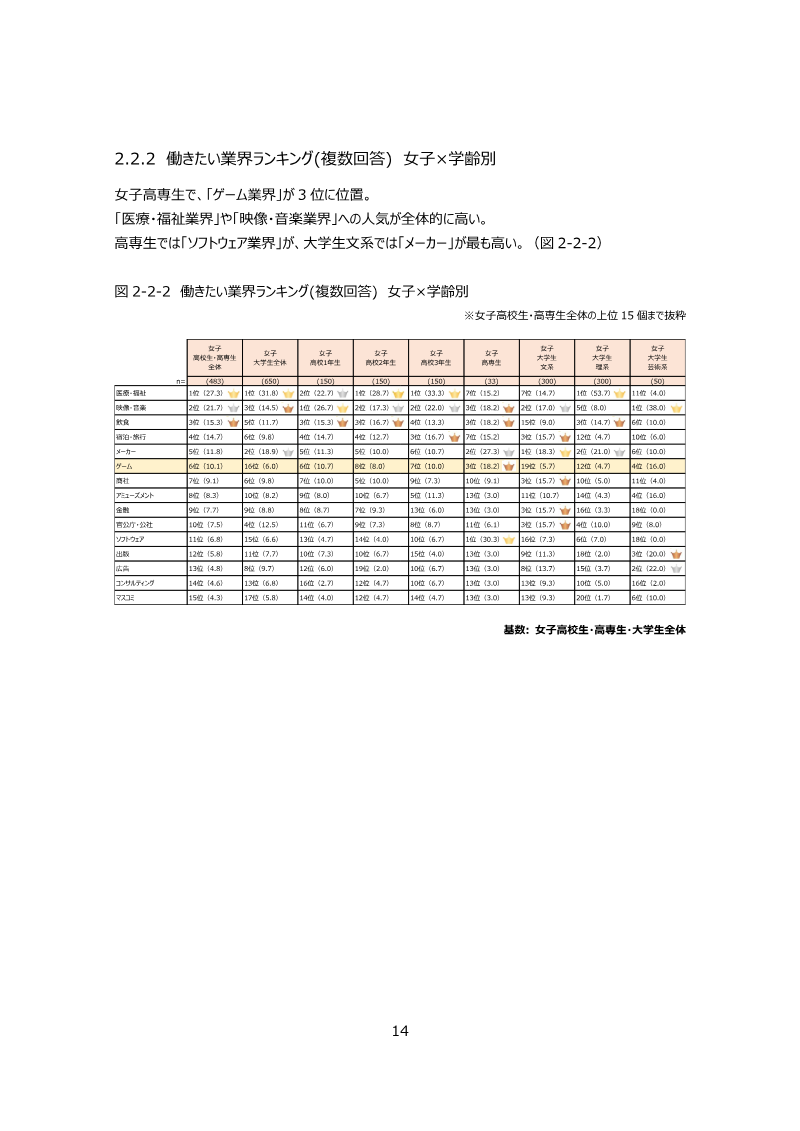
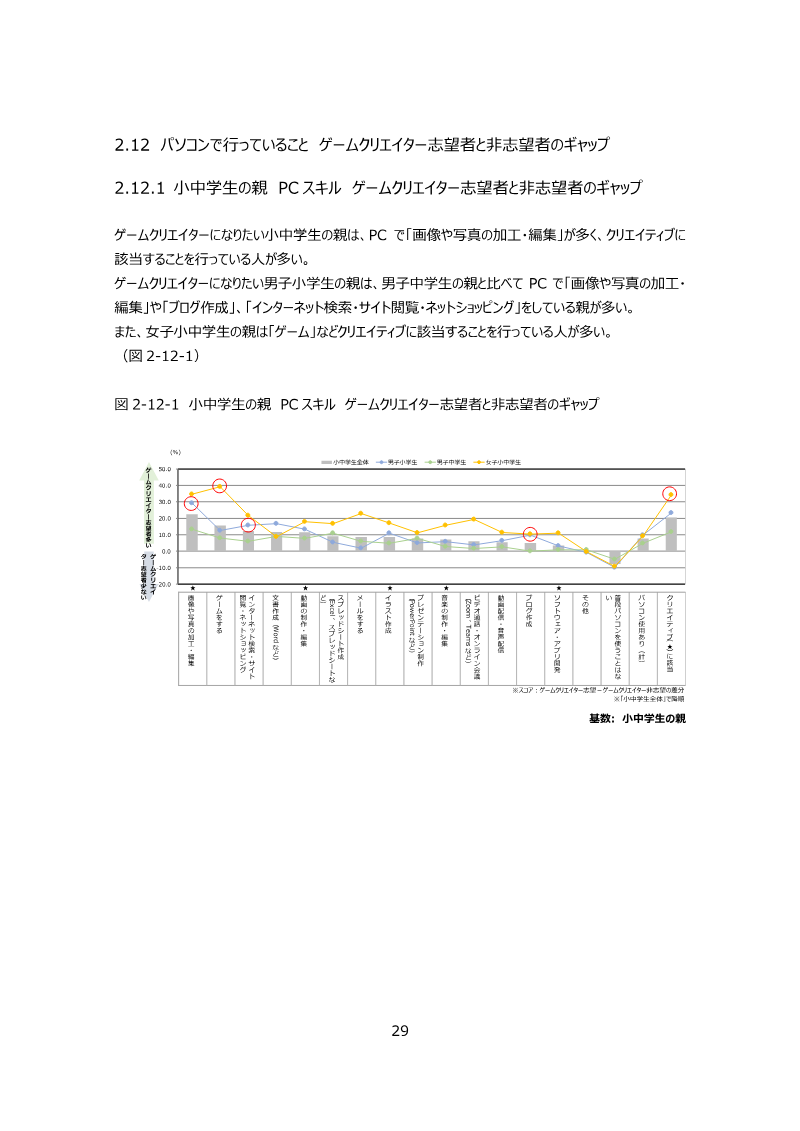
CESA – Computer Entertainment Supplier's Association · 2025
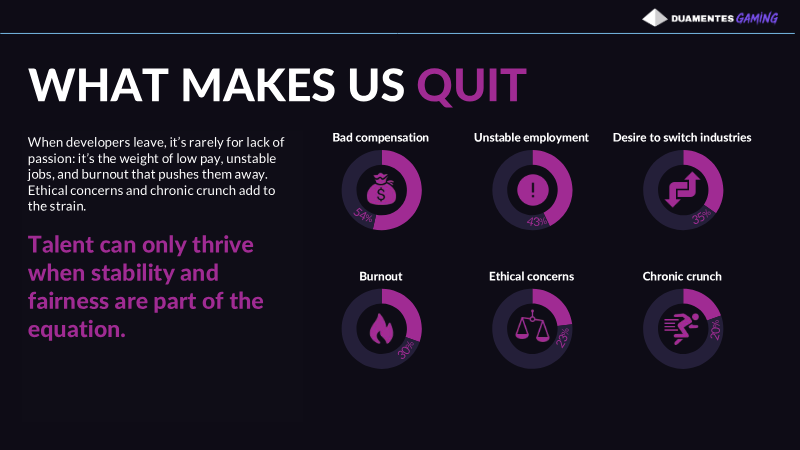
Duamentes Gaming · 2025
Kreativ Sektor · 2025
The Swedish Games Industry · 2024
Neogames Finland · 2024
Comments