Sweden’s video‑game sector continued to expand in 2023 despite a constrained credit environment, with domestic turnover rising 6.4 % to 34.6 billion SEK and reaching 90.4 billion SEK when foreign subsidiaries are included. The number of development firms hit a record 1,010, an 8 % increase, while employment grew to 9,089 staff in the country, also an 8 % rise, although the overseas workforce fell 4 % to 15,792. Female representation improved to 23.7 % (2,150 women), yet overall profitability declined.
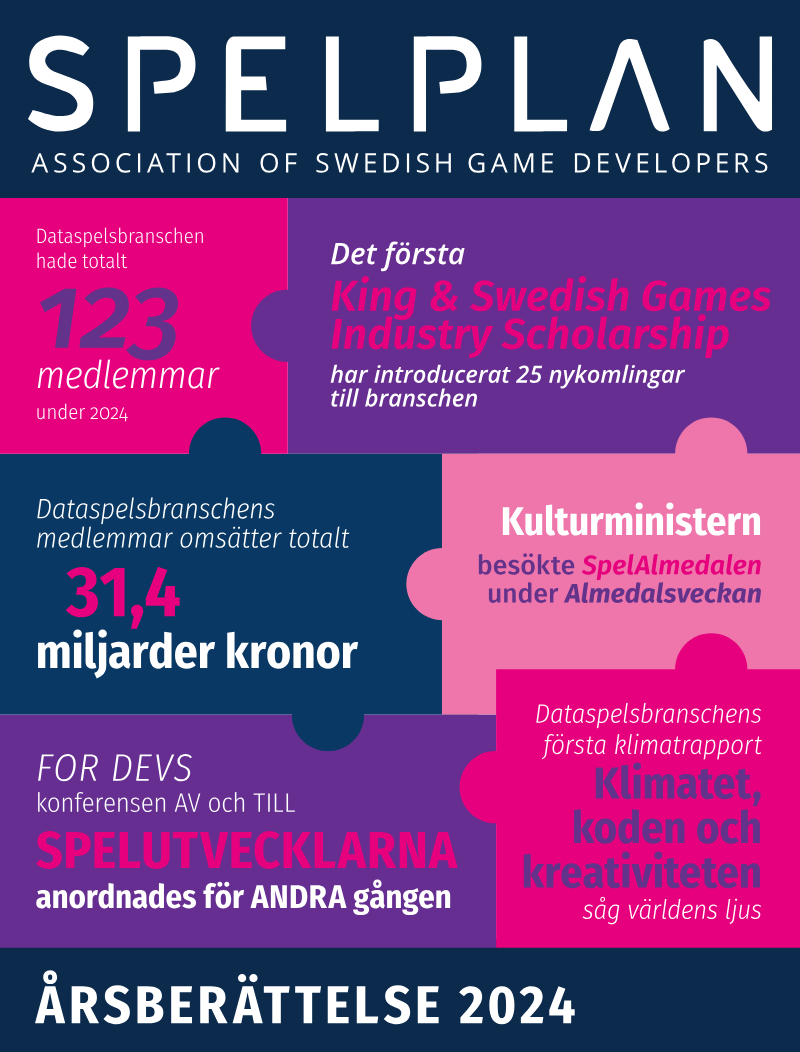
In 2024 the industry marked several high‑profile milestones. The Microsoft‑Activision Blizzard acquisition, valued at roughly 620 billion SEK, concluded in October 2023, and King celebrated the ten‑year anniversaries of Farm Heroes Saga and Candy Crush Soda Saga while relocating to a larger Malmö office. Mergers and acquisitions accelerated, exemplified by Embracer’s €4.9 billion sale of Gearbox to Take‑Two, Red Rover’s €212 million financing round led by Behold Ventures and Krafton, and EQT’s €28.7 billion purchase of Keywords Studios.
Inclusion efforts gained momentum, with programmes such as WINGS, Game Dev Force and King’s nine‑month mentorship supporting 27 women and non‑binary participants, and 52 studios adopting formal diversity policies. Over 300 Swedish studios were catalogued, reflecting a broadening ecosystem. The government’s 2023 cultural‑canon initiative prompted the selection of fifteen landmark digital games spanning six decades, underscoring the sector’s cultural significance.
Higher‑education institutions expanded game‑development curricula, launching new bachelor, master and specialist programmes, thereby strengthening the talent pipeline. Concurrently, research highlighted the limited relevance of traditional screen‑time guidelines for games and emphasized positive outcomes of play. Emerging risks identified include radicalisation, the legal and creative challenges posed by generative AI
Dataspelsbranschen · 2026
Dataspelsbranschen · 2026
Dataspelsbranschen · 2026
Dataspelsbranschen · 2025
Dataspelsbranschen · 2025
Dataspelsbranschen · 2025
Dataspelsbranschen · 2025
Dataspelsbranschen · 2024
Dataspelsbranschen · 2024

Swedish Games Industry · 2024

Dataspelsbranschen · 2024
Dataspelsbranschen · 2024
Spelplan-ASGD · 2025
Abragames · 2024
The Swedish Games Industry · 2024
Maliyo Games · 2024
Dataspelsbranschen · 2023
The Swedish Games Industry · 2023
Coffee Stain Group AB

AEVI
InvestGame
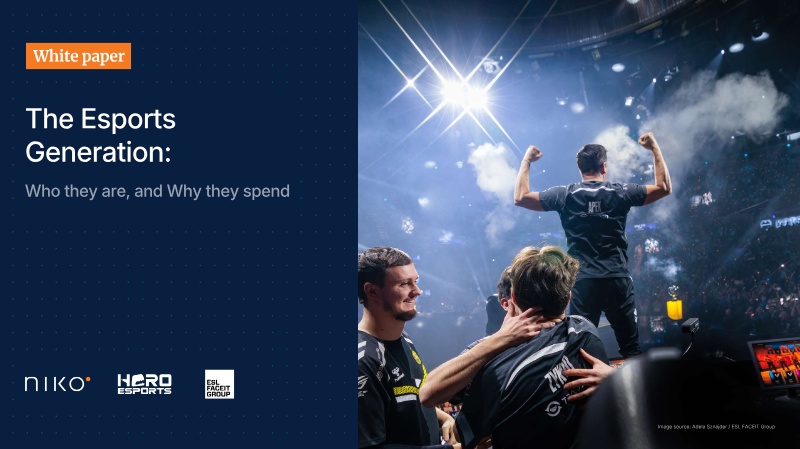
Niko Partners · 2026
Poki · 2026
Anzu · 2026