1 free read left. Create a free account for unlimited reading + AI research.
Create free account
Superstar Session: Lessons Learned When Including Third Party Content in Your Videogame PGCD #2
Key insights
6 takeaways- 01Copyright protection generally lasts for the creator’s life plus 70 years, though specific jurisdictions like France may extend this duration based on factors such as military service.
- 02Trademark law protects brand identity and consumer perception, with recent litigation involving franchises like Call of Duty and Football Manager demonstrating that courts balance the need for realism against the risk of consumer confusion.
- 03Developers must secure formal written contracts for all third-party intellectual property, as verbal agreements provide no legal protection and leave studios vulnerable to litigation, injunctions, and revenue loss.
- 04Fair use is a narrow legal defense in the United States that is rarely applicable to commercial video game assets, meaning developers cannot rely on it to avoid licensing requirements.
- 05The lack of international harmonization in intellectual property law means that developers must consult legal professionals early in production to navigate the fragmented global regulatory landscape.
- 06Studios bear legal liability for user-generated content within their games and must ensure that all licensing contracts include robust warranties to mitigate these risks.
Ask AI about this video
Transcript
we are about ready to introduce Kathy from the Pokemon company who will be doing a session on inspiration influence injunction lessons learned to an including third-party content in your video game this looks like an interesting one so we should have Kathy somewhere in in cyberspace ready to come in here oh great I've managed to rejoin Fillion again welcome welcome to poker game mechanics Kathy are you okay please begin your talk yes excited to be here and as Chris James as previously said this it's great to have it at this format but really missing the the social holdin out the personal networking and
you know being able to just like hugs and enhance takes we hope to get there again yeah and I'm sure I'm sure we will yep so if you're ready to begin I will disappear into the quiet and let you do your talk okay let me share my screen welcome everyone and especially for those who are in different time zones and this is later in your day but just wanted to you know speak a little bit about content in video game and wanted to also give an introduction as to my experiences with video games starting in 2000 I was hired by Microsoft to clear IP for a lot of their racing and sports franchises and so there was a lot of lessons learned for the past 20 years I have been involved with video games I did a little
stint in the UK with Activision and in a similar role the other interesting thing is I haven't always been with a legal team I've actually been with production teams so I kind of understand development pain as well as bug regressions go at presenting at no go no go meetings to get your content actually out into the market so with that I'll go to what most lawyers do here is is it is a notice I do work for the Pokemon company international we are based in the United States in near Seattle and we are responsible for the brand exploiting the brand outside of Asia but for this presentation these are my opinions these are my experiences it's and not
necessarily bad of any of my employers current and past and then I also want to make sure that people don't walk away with this is the legal advice that I'm gonna apply to content and video games please please consult legal professionals or professionals in the trademark and copyright space and they will be the best position to advise you on specifics of what you want to do with your content see like so we'll just level set real briefly I don't want this to become like a legal presentation but I in in general copyright is a creative work in literary artistic educational or musical form for purposes of this talk we're going to try to focus on the more of the visual
tangible images the ones that you would generally see immediately in video games so when does copyright attach it's usually when the work is created and there's you know the legalese about hey you fixed in a tangible medium of expression so as you can assume there's going to be some interpretations to that and then why is there copyright a big push for this is to protect the original expression of an idea it's how the the creator had put it into a tangible medium but not the ideal itself so if I'm talking about blue skies that's not copyrighted but then if I have some type of painting or a graphic then that is copyrighted when I actually
put it on to a canvas or sketches etc so a duration of copyright it in general and in the u.s. it's for the creators life Plus 70 years now in different jurisdictions so in countries or territories there are some different time periods for example I've seen some as creators like plus 50 and then I've also seen some as creators like plus 80 the interesting thing if you are replicating an item that's copyrighted from France interesting thing there for non musical items it's like a plus 70 years but if the individual died for for
France so generally military service then there's an additional 30 years added on to that time period so it's just an illustration of how different countries may have different durations different interpretations of what copyright is different rights that the Creator can actually impose the there's a for the US you can register your copyright and that's a the catalog the link here I have go full link set out because I understand that this is recorded and not provided to you so if you have an interest in looking up copyrights this is where you can go to look up copyrights registered with the US Copyright Office um there is also an interesting lawsuit
that actually was retract did and this was a one that maybe a lot of people on the attending here or is familiar with is the fortnight dance lawsuits and what's interesting there is there even within the United States this jurisdiction this Court decided can't do a lawsuit unless the copyright is actually registered which isn't the case you know it isn't a blanket rule up for all the the types of courts in the United States but in the court that this copyright I'm sorry that this lawsuit was filed this is the position that they were taking on a different case so the
individuals who were bringing this lawsuit retracted it and then I understand that they're waiting for their copyright to be registered with the US Copyright Office and who knows when that will be there's no SLA on when your copyright gets registered and there's probably a huge backlog and not only due to co vid but even be prior to with the amount of copyright registrations another interesting about the fortnight damn suit is it's murky regarding dance moves there's been a tradition that choreographed dance routines can be copyrighted so probably like a you know something that Jennifer Lopez did or you know Christina Aguilera is any of them who did a dance routine but then our our
moves actually can they be considered routines and so I think that's what we're there's going to be more dialogue about this and before a lawsuit happens another just concept about copyright is there are times where you can use without the owner's permission one is a public domain so public domain is after the duration so creators live plus X amount of years in your jury in that jurisdiction the other is known as fair use freedom of expression and just touching on public domain although that might be like great 70 years has passed after the creators life now I can actually like use it within my commercial assets there are some nuances for example Italy Italy has a cultural
heritage assets law that basically says that if your asset is in is a public body and not-for-profit legal entity and it was made over 70 years ago and the creator is deceased then it could falls under the code of cultural heritage so then you may actually have to get permission to use a hundred year old Statue of David for the public domain and and I know that's the Statue of David is the original one is more than 100 years old so those are just some nuances that I've learned over clearing assets for video games and just just some interesting facts in this area
fair use freedom of expression and that's in u.s. copyright if you're using a part of the asset for criticism news reporting teaching or research that's something that you can generally use it gets really touchy when it's used for something that's going to be of in putting the in commerce like someone's making profit from it and I know that even I still hear things about oh it's okay to use songs as long as it's only six seconds there's actually no like written law that you can use snippets of songs samplings of songs as long as it's that's for less than a couple seconds so you need to watch out for something like that especially music music can be a whole nother session just for because of all the clearances all the issues that
music the artists publisher everybody who has some type of ownership in it can have a right for you to stop using and stop using is the injunction one other item that I want to also bring up is something called the moral rights even if you do use assets and even if it's you know the public domain outside of Italy using for that and there also may be something called a moral right like how are you using it are you using it in a negative way is it an offense to the public morality and maybe the public morality of the jurisdiction where that asset is those are other items that you might have to consider when putting content into your video game okay one of the items I want
to also point out is Eiffel Tower Eiffel Tower there was a copyright in the daylight the actual structure of the Eiffel Tower so it was constructed in 1889 and then the lights were put on to the Eiffel Tower back in 1985 the rights of using the nighttime and the lighted Eiffel Tower are controlled by the Society of exploration for the tour I fell I'm sorry my French is bad and even on their website they they speak about here is what you can do with the non illuminating and the illuminated tower and so this is directly from their website and I just want to point out that you know even things like using a structure but maybe using it at night can also be something that needs to be authorized for use it will also depend
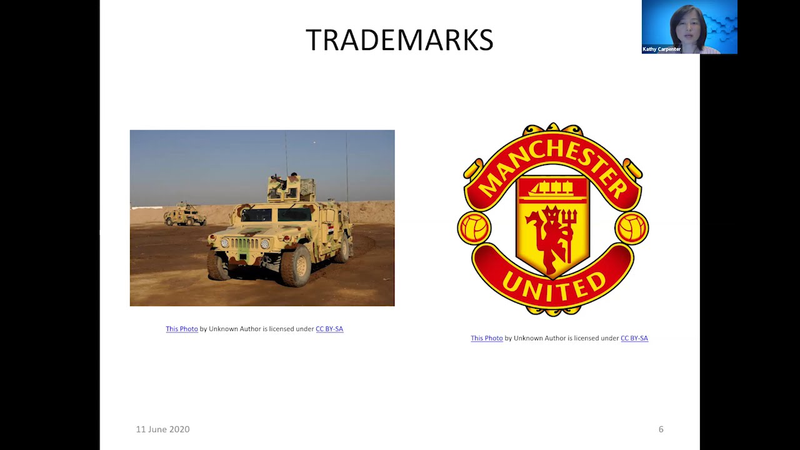
on how prominent probably that you use the item in as content in your video game is your whole video games around associated with the Eiffel Tower or is it in the background in a scene where a car drives by so just I mean I know I kind of geek geek out about some of this stuff but then again I can never like watch a movie or play a video game that has assets in it without thinking like oh did they get the rights did they how did they manage that and did they have a clearance team such as I had it managed at Microsoft for some of their racing game franchises hey trademarks I think everybody knows what a trademark is and actually you can see on the same screen the big game big screen gaming that logo is is a you know can be trademark as long as the logo is being used in
commerce and it's in connection with something what a trademark actually does is indicates the sorts of worth of the product or the service so it is like the brand we can talk about hamburgers but then when you talk about an in-and-out burger versus a McDonald's versus a White Castle you know what that product where that product is from and then there's a lot of goodwill reputation and associated with that brand the curation can be forever as long as the trademark is in use and associated with getting end services so in the u.s. also there is a United States its Patent and Trademark Office and you are able to search for trademark registrations
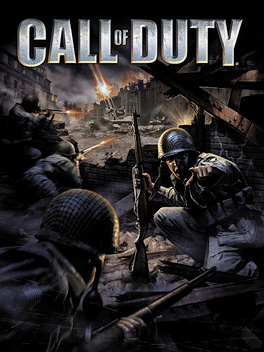
through that link there so there has been a couple recent cases regarding using use of trademarks without permission and two of them I've listed down there in 2017 the Call of Duty franchise so the publisher Activision Blizzard they were being sued by AM general and this one has actually a judgment just came down I think last month but it basically is that the franchise of the Call of Duty video game has been using AM generals vehicle in there without permission that's what the claim was however it's it's interesting because though the judgment came down and saying that hey the the presence of those vehicles helped to create and depict the the modern warfare and so
because realism was the goal then the you you using the vehicles that are actually used by military keeps furthering that goal and then there wasn't a it was determined that there wasn't a confusion between how the parties were using the marks for example AM General uses the marks because they sell Humvees Activision Blizzard uses the marks to create realistic warfare video games so if I was in the market to purchase a Humvee I wouldn't be going to Activision Blizzard to purchase one right now I in me I I haven't seen but it could potentially go on appeal for a higher court to then ask to overturn what was decided by by this lower court
okay the in it recently I think it was last month April Oh actually today it's June sometime in 2020 Manchester United brought the lawsuit against Sega publishing and this is for the game big a football manager so in football manager it's alleged that the trademarks are infringed because because that the Manchester United badged I should have gone to that but the logo isn't being used in the football manager game yet it's confusing because there's a I believe it's a plain red white or red yellow yoga logo that's being used in football manager so the claim is that it's confusing as well as it deprives
the owner the rights owner to license the logo to this game so it's going it'll be interesting as to how that pans out it's just some interesting things around lawsuits going on with video games and the especially like current times there were few you know five six years ago and then you had to really look for them but these are a few of the lawsuits going on with copyrights and trademarks okay see I think I am on exceeding my time for 20 minutes I just want to leave you with some parting thoughts if you know there are times and it depends on the risks like that the companies wants to take but if you have if you're using
copyright and/or a trademark and it's very well known within your region or even within the world it's really good to get secured or secure your contracts for the and even if it is something that maybe an individual has created and said they created from just some inspiration make sure either you do get some kind of documentation not just a handshake or a verbal okay when you're releasing your content and when if you are assigning it to a publisher check your your contracts the contracts will generally ask good content creators to warn that they have all the rights for the content in the
game to be used for the purpose that the publisher or the digital market it is intending yeah and it's it's sometimes it's going to be difficult because there's multiple territories and there's a lack of harmonization between country to country regarding you know trademark rights trademark law and then also a copyright in copyright law and yeah I think that's I'll turn it over for for questions if anybody wants brilliant Thank You Kathy that was a really interesting thing to follow because we're in a period right now so many games are bringing in different IPS and especially like I think for tonight is the big example or you're just seeing so many different things inside the game we do have a couple of questions actually yeah in the QA so someone has said you hear a lot of talk about fair use when it comes to video content and YouTube particularly
in the u.s. if a game is commenting on or parroting subject matter can you use a similar argument for including the relevant material in the game it's yeah it's kind of going to be a a decision over but it doesn't seem that if you if you're using if your argument is fair use and wanting to use it in a video game the fact that it's your you're exploiting it and you're commercializing then yet may go against that argument usually you know the fair use again if your whole game is a parody that probably will go towards more of a fair use argument but if it is just a little like an individual in there like a politician or something that is is one of the main characters in your game but everything else is your own universe
that may not support your your argument that it's fair use and want want to also point out that fair use will probably need to be determined by a court so you are also looking at the risk of legal fees court fees maybe there is an injunction if it's strong enough to then you know prevent your your game from continuing to being sold but maybe not because as long as you're making revenue then at the end should I win the case against you then I will get a portion of the revenue that you brought in because you used my asset okay um Anthony in the in the chat has said what if a user other game shares a copyrighted graphic in a game for other C's is the game responsible for this for example in a
football game if a user uploads the shirt colors or the player likeness is the game responsible for that copyright use yes the game is responsible and you're sure your publisher you may have made some warranties to your publisher so you know going overseas doesn't dismiss the you're right claims or that can be brought against the product okay Joel in the chat says if you have a platform and user generated content violate some copyright who would be considered liable well there's um in the US there's the digital millenium decent TCM a Digital Millennium Act I believe and it gives people a way to claim that they own the
item and then bring it down so in user-generated content the publisher or whoever is running the game will generally have on their terms of use if you think you we're using your asset then please file a ticket or or let us know and then they'll evaluate it to bring it down yes the whoever's running the game is responsible for bringing it down or removing it but then your publisher may go after you well actually for user-generated that your publisher may then implement like more content review to make sure that other third-party assets aren't being used and exposing risk to the product okay and one last question here oh no we've got two questions have you encountered
instances where a game has benefited from not using the copyrighted material and they intended to is it better to create your own fo brands locations less IPs to avoid huge fees or are they recognizable brands always worth the money yeah and that's that's a balanced test I think you have to determine because for example there are some racing games with bow brands in there where there was influence from that the actual car manufacturers to design vehicles and then put into games that have been success but then if if your game is something like Monaco GT then maybe you want the historic racing cars in there the teams and the manufacturers so it depends on what your you're trying to achieve is it the realism or is it the gaming experience and and maybe it's both
because it's sometimes it's really difficult to unmarry the two well actually most of the times it's difficult to unmarry the two okay we've got one more question here our fan works a gray area for example if one would create Pokemon Pokemon fan out and sell prints with their fan works at a convention is that not punished due to it not being a company but a person profiting off a property so for my company but it there are companies that do go after individuals and they don't treat any differently than a corporation do using the marks without permission in dealing with clearing video assets for video games there are huge industries licensing agencies peripheral divisions
of companies that generate a lot of revenue based on AI IP and then licensing out to video games merchandising events etc so it really depends on how active the company's enforcement team is if if you're at if you're at e3 and you're selling things outside the convention center you're probably going to get a lot more eyes on you and then a lot more reports about selling IP that probably isn't licensed versus you know your your local hobby store game Expo yeah yeah I agree with that okay I will wrap that one up there because we're it's drifting into out of time but thank you so much Kathy for joining us that was some really good insight on on third party content and I hope you enjoyed the
rest of your PTC yes that's great thank you so much for having me thank you you
Summary
The session provides an expert overview of the legal complexities involved in integrating third-party intellectual property into video games. Drawing on two decades of experience in legal and production roles at major firms like Microsoft and The Pokémon Company, the presentation emphasizes that developers must navigate a fragmented global landscape of copyright and trademark laws. The core thesis is that while third-party assets can enhance realism and brand recognition, they carry significant risks of litigation, injunctions, and revenue loss if not properly cleared through formal contracts.
Key legal concepts discussed include the duration of copyright, which generally lasts for the creator’s life plus 70 years, though jurisdictions like France add specific extensions for military service. The presentation highlights that copyright protects original expression rather than ideas themselves, and that "fair use" is a narrow defense in the United States, particularly when assets are used for commercial gain. Trademark law, which protects brand identity and consumer perception, is also a critical consideration; recent litigation involving the Call of Duty franchise and Football Manager illustrates that courts weigh the necessity of realism against potential consumer confusion.
The methodology relies on professional experience and case study analysis of high-profile industry lawsuits. The speaker warns that relying on verbal agreements or "handshakes" is insufficient, as developers often bear liability for user-generated content and must ensure their contracts include robust warranties. The session concludes that the decision to license recognizable brands versus creating original assets is a strategic balancing act. Ultimately, developers are advised to consult legal professionals early in the production process, as the lack of international harmonization in intellectual property law makes cross-border compliance a persistent challenge for global game releases.

















Comments