
This analysis examines the shifting economic landscape of the video game industry, focusing on the controversy surrounding Unity’s 2024 "Runtime Fee" structure and the evolving platform strategies of Roblox and Apple. The primary thesis suggests that as major platform holders reach market maturity, they are transitioning from subsidizing creators to aggressive "rent-seeking" monetization, a move that threatens the financial viability of small and medium-sized developers.
The analysis highlights Unity’s decision to charge fees based on game installations rather than revenue shares, a move that could retroactively impact existing free-to-play titles. While Wall Street initially projected this could generate $140 million in additional revenue by 2025, the backlash has driven Unity’s stock down from its 2021 peak of $197 to approximately $36. This shift creates a competitive opening for alternative engines like Unreal, Godot, and GameMaker, as developers seek to mitigate the risks of being "soul-bound" to a single provider.
The scope of the discussion extends to the broader ecosystem, noting Roblox’s expansion into Meta Quest and PlayStation to leverage its 65.5 million daily active users. Despite legal challenges regarding child safety, Roblox is successfully integrating generative AI and user-generated content marketplaces to drive retention. Simultaneously, Apple is attempting to capture the high-end gaming market by bringing console-native titles like Assassin’s Creed Mirage to the iPhone 15. This strategy aims to offset plateauing global smartphone sales, which have stagnated at 1.4 billion units annually, by targeting high-value users. Ultimately, the findings suggest a growing tension between corporate shareholder interests and the creative sustainability of the independent development community.
SuperJoost · 2026

SuperJoost · 2026
SuperJoost · 2026
SuperJoost · 2026
SuperJoost · 2026
SuperJoost · 2026
SuperJoost · 2026

SuperJoost · 2026
SuperJoost · 2026
SuperJoost · 2026
SuperJoost · 2026
SuperJoost · 2026

Almedia · 2026
Gamesight · 2026

Sensor Tower · 2026

Sensor Tower · 2026
AppLovin · 2026

Sensor Tower · 2026
Newzoo · 2026

Modern Times Group · 2026
InvestGame · 2026
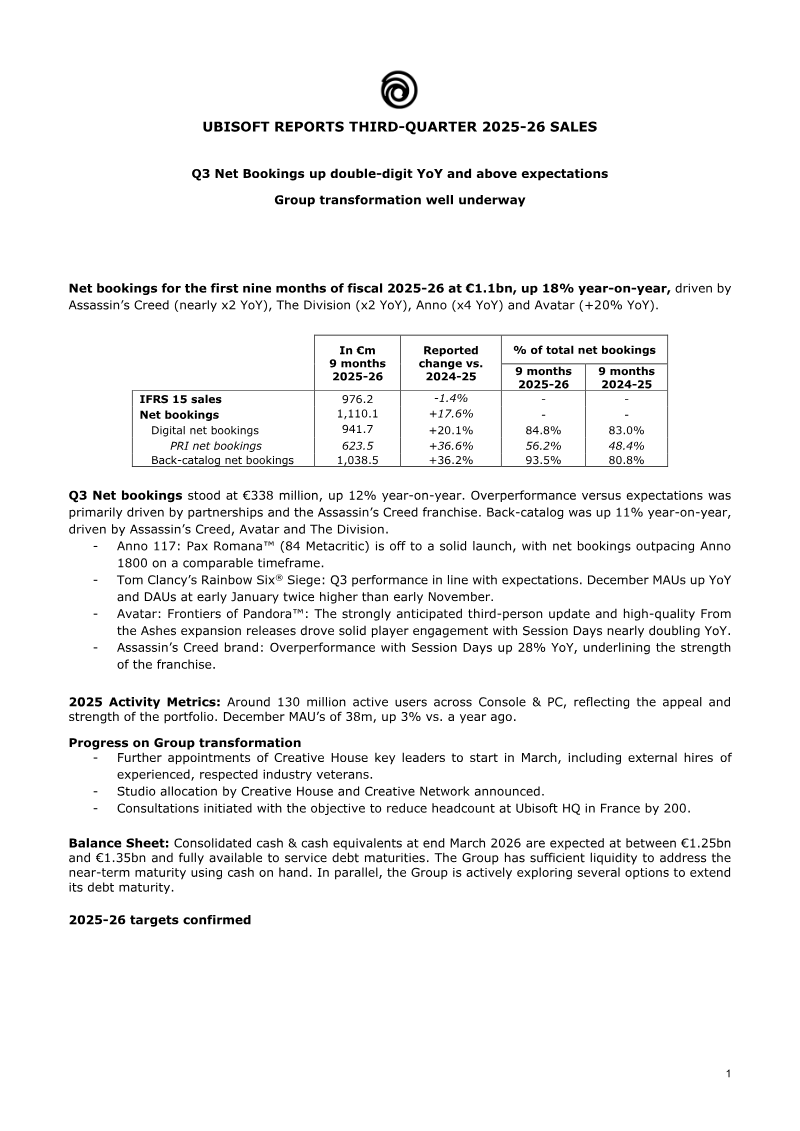
Ubisoft · 2026
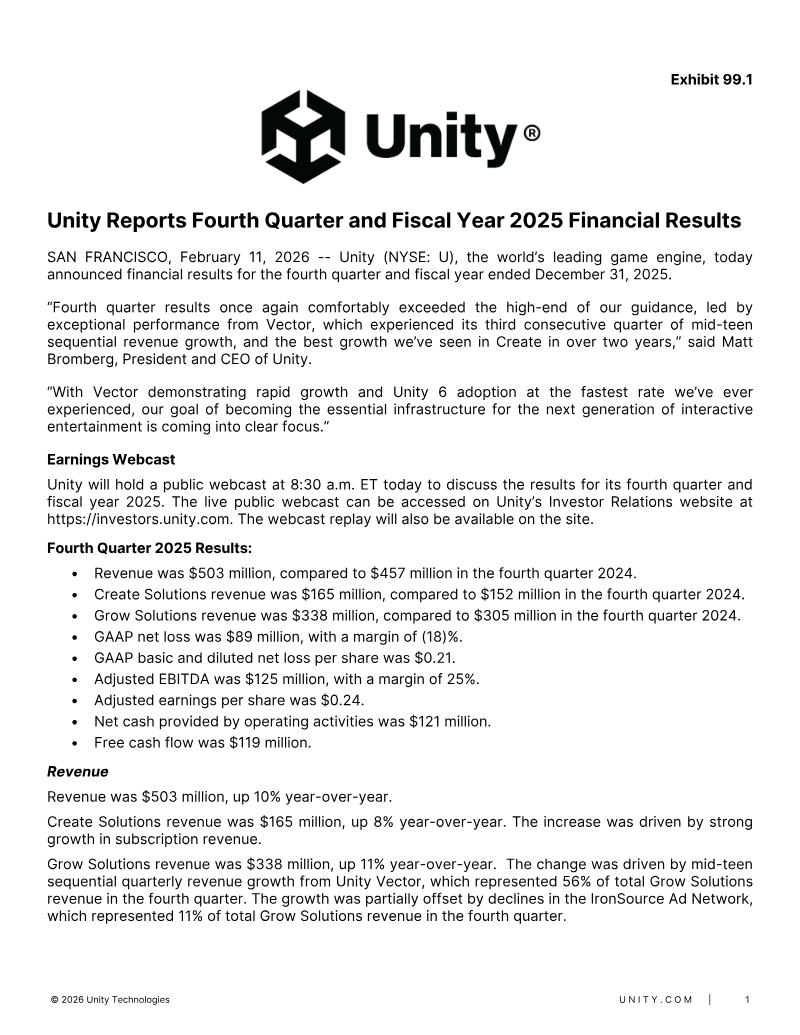
Unity · 2026
AppMagic · 2026