
ArticleSuperJoost
Testing the Flywheel: Rampant Inflation Threatens to Grind Gaming's Platform Economics to a Halt
1 Sept 2022~12 min full read
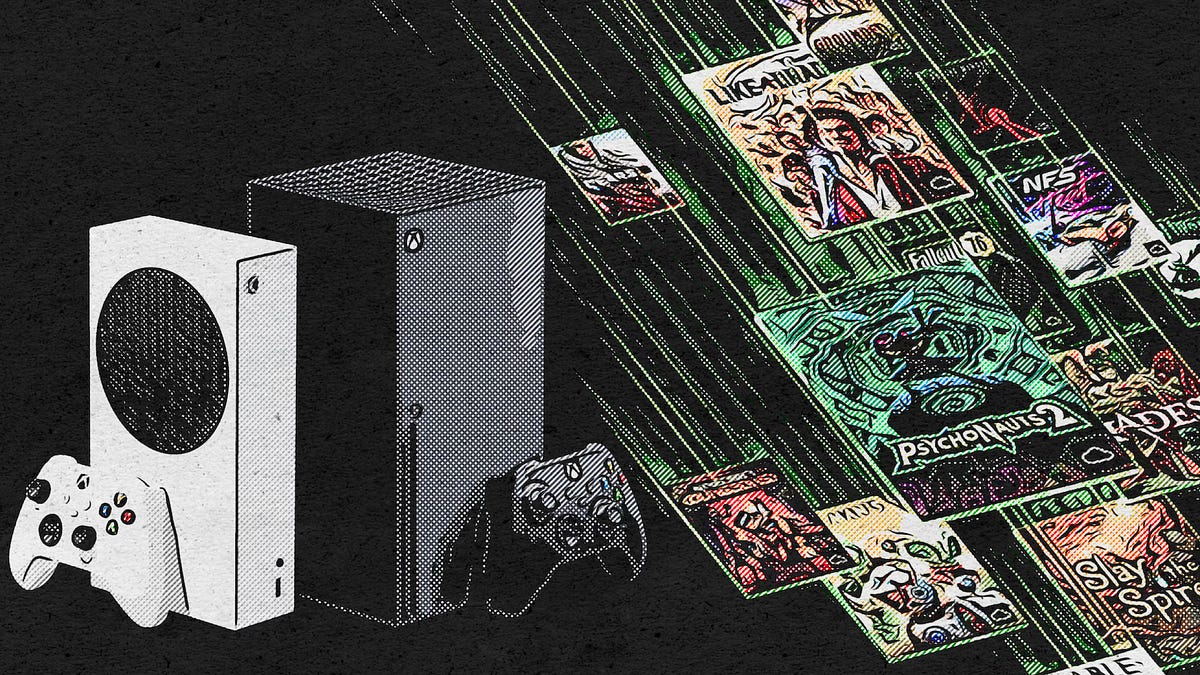
Economic volatility and rising inflation are currently challenging the "flywheel" model of digital platforms, where interconnected services and hardware create self-sustaining growth. Historically, gaming giants like Sony and Microsoft have sold hardware at a loss to drive software and subscription revenue. However, supply chain pressures and a 10% price hike for the PlayStation 5 in international markets signal a shift in this traditional dynamic. As consumer purchasing power declines, younger demographics are increasingly cutting entertainment subscriptions, forcing platforms to rely on high-budget "blockbuster" content and ad-supported tiers to maintain momentum.
The industry is also seeing a strategic pivot toward mobile and international expansion. Sony’s acquisition of Savage Game Studios and the formation of a PlayStation Studios Mobile Division highlight a late but necessary push into the mobile sector. Simultaneously, Chinese firms like NetEase are aggressively acquiring Western talent, such as Quantic Dream, to offset a shrinking domestic market hampered by strict regulatory freezes and playtime restrictions. These moves suggest that while platform economics are under pressure, the industry continues to consolidate around proven intellectual property and diversified delivery methods.
The broader tech landscape reflects a period of contraction and refinement. Meta’s decision to shutter its Facebook Gaming mobile app and Airbnb’s implementation of "anti-party" technology demonstrate how platforms prioritize monetization and risk management over user growth during economic downturns. Despite these challenges, significant venture capital continues to flow into emerging sectors, including blockchain gaming and cross-platform avatar systems, indicating that while the current flywheel may be slowing, investment in the next generation of digital interaction remains robust.
SuperJoost · 2026

SuperJoost · 2026
SuperJoost · 2026

SuperJoost · 2026

SuperJoost · 2026

SuperJoost · 2026
SuperJoost · 2026

SuperJoost · 2026

SuperJoost · 2026
SuperJoost · 2026

SuperJoost · 2026
SuperJoost · 2026
Newzoo · 2026

Nintendo · 2025

Sony Group · 2024
Newzoo · 2022
Bandai Namco · 2021
Ubisoft · 2026

Almedia · 2026
Gamesight · 2026
Sensor Tower · 2026

Sensor Tower · 2026

AppLovin · 2026

Sensor Tower · 2026