The Overwatch 2 beta release serves as a critical case study for the current state of Activision Blizzard, a publisher facing significant corporate and financial headwinds. Amidst a 28% year-over-year decline in net bookings and a lawsuit from the New York City Employees' Retirement System, the sequel’s reception has been mixed. Critics and players have noted that the game feels more like an update than a true sequel, with structural changes—such as reducing team tank slots—leading to increased queue times that negatively impact both player engagement and live-streaming appeal.
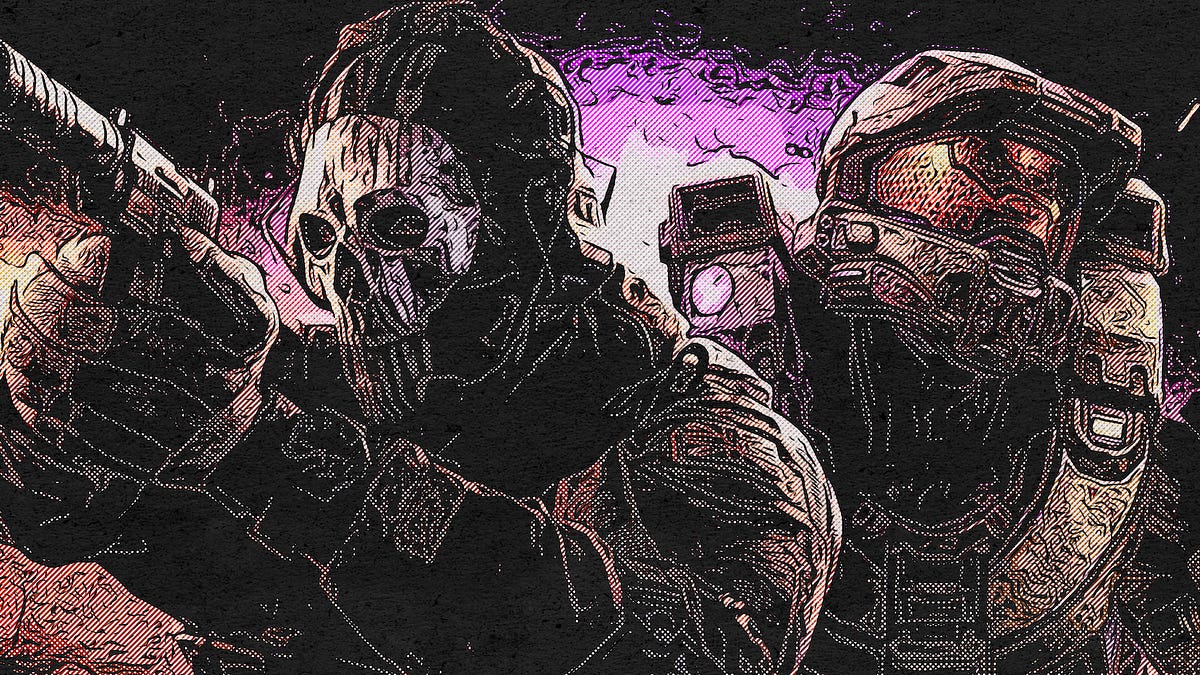
The analysis highlights the growing importance of live streaming as a metric for success, noting that the first-person shooter genre generated six billion viewing hours in 2021. While Activision Blizzard currently dominates this space through titles like Call of Duty: Warzone, Overwatch has struggled to maintain similar momentum. The findings suggest that a transition to a free-to-play model, similar to the successful pivots of Team Fortress 2 or Halo Infinite, may be necessary to revitalize the franchise’s audience base and revenue potential.
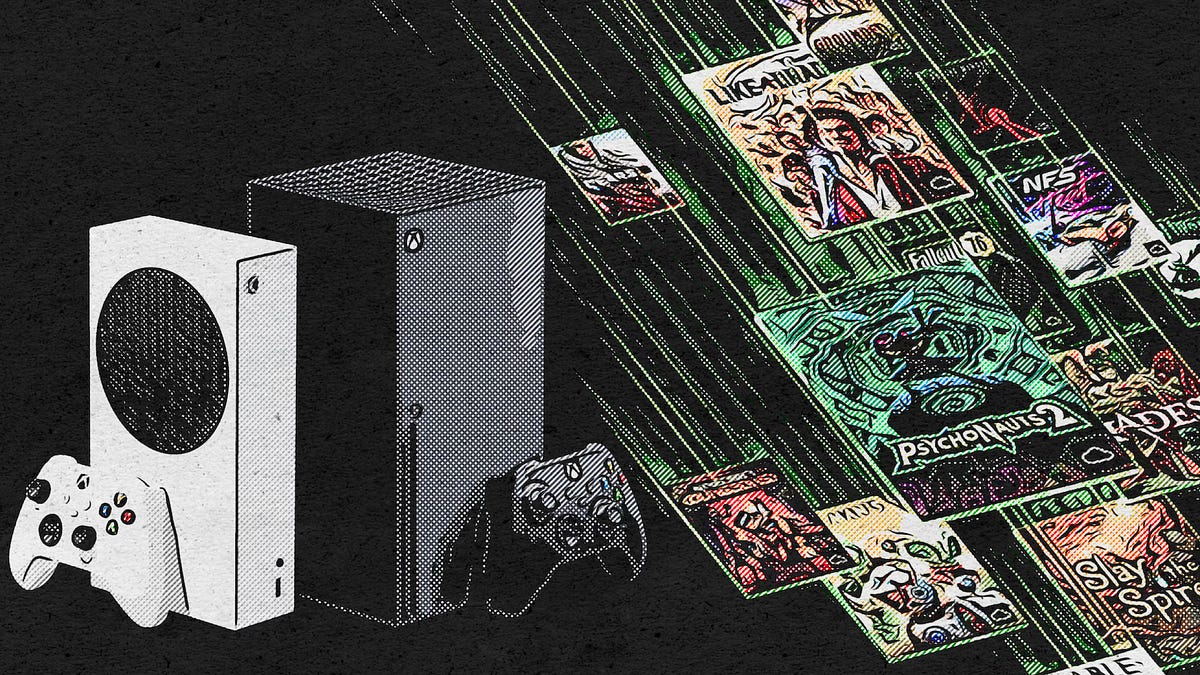
Beyond Overwatch, the broader industry is experiencing a period of intense consolidation and digital transformation. Microsoft’s pending acquisition of Activision Blizzard positions it to lead the shooter category, while Lego is tripling its software engineering staff to internalize game development following a $1 billion investment in Epic Games. These shifts, alongside Embracer Group’s $300 million acquisition of Square Enix’s Western studios, indicate a market where established intellectual property is being aggressively leveraged to anchor digital services and subscription models. Overall, the industry is moving toward a landscape defined by free-to-play ecosystems and the strategic integration of live-streaming compatibility.