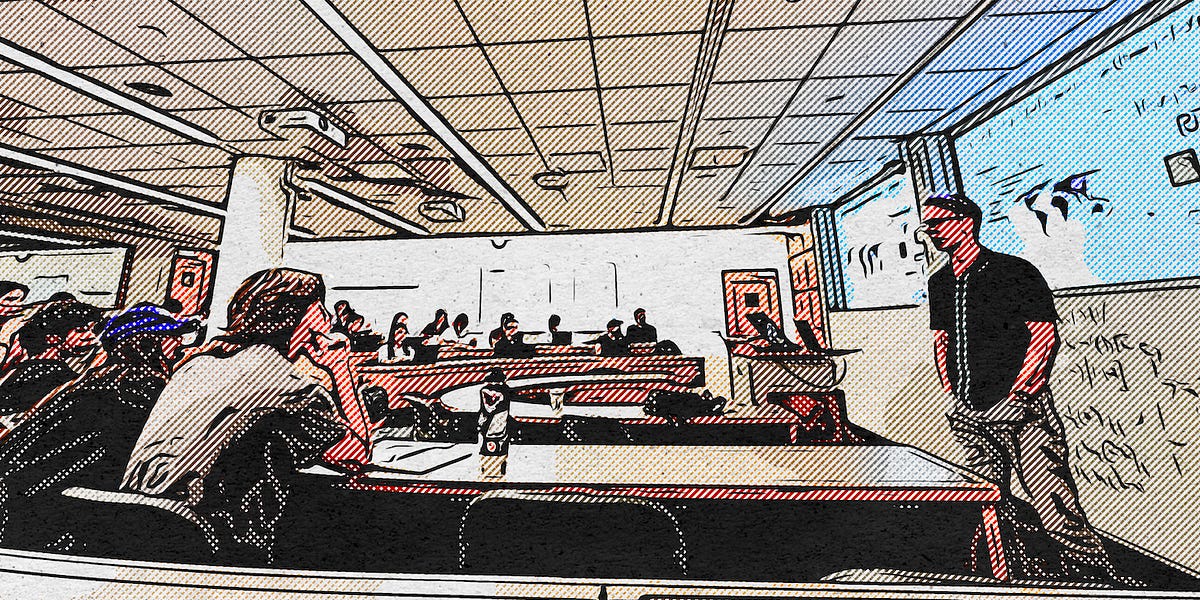
The 2022 South by Southwest (SXSW) conference signaled a significant shift in the cultural positioning of the gaming industry, as the sector moved to the event’s opening weekend to align with major tech and advertising brands. This transition drew a massive influx of attendees from outside the traditional interactive entertainment space, highlighting two dominant and pervasive themes: the metaverse and blockchain technology. While the metaverse is often framed as a novel solution to societal issues, its development actually spans fifteen years, and current iterations face criticism for a lack of diversity among its primary architects. Similarly, the blockchain and NFT sectors, fueled by significant capital from crypto foundations, have become central to the industry's current economic expansion, mirroring the atmosphere of the dot-com boom.
Beyond the conference, the broader industry is seeing a rapid digitization of intellectual property. Major entities like Warner Bros. are partnering with traditional toy and card makers to launch hybrid physical-digital collectibles, capitalizing on a market that has more than doubled to $5.1 billion since 2016. Simultaneously, global investment patterns are shifting. The Saudi Arabia Public Investment Fund (PIF) has aggressively expanded its influence, amassing $8.6 billion in video game shares across North America and Asia, including significant stakes in NCSoft, Nexon, and Electronic Arts. This capital infusion reflects the emergence of the Middle East and North Africa as a high-growth gaming powerhouse, with a combined audience of 65 million people in key markets.
Despite this commercial success, a growing disconnect exists between celebrated creative talent and their audiences. Some prominent designers are criticized for adopting a "mansplaining" or "pretentious" design philosophy that underestimates the digital literacy of modern players. By treating users as "giant babies" through intrusive tutorials and restrictive mechanics, these creators risk losing the human connection that defined their earlier work. As the industry matures, there is a call for developers to evolve alongside their audience, trusting in the player's intelligence rather than relying on regressive design or intoxicating futurism.