
ArticleSuperJoost
Keighley's Kingdom: The Novel Business Model Behind The Game Awards and Its Future
18 Dec 2024~7 min full read
This analysis explores the evolution of The Game Awards from a niche industry event into a dominant global media platform. The central thesis posits that the ceremony has successfully filled a cultural void in the video game industry by providing a "red carpet" spectacle that grants developers and artists the same legitimacy afforded to film and music icons. By leveraging the industry's cultural ascendance, the event has effectively reimagined the business model for award ceremonies in the digital age.
The data highlights a significant shift in viewership trends. While traditional ceremonies like the Oscars, Grammys, and VMAs have seen audience declines of 50% to 67% over the last two decades, The Game Awards has experienced exponential growth. From its 2014 debut of 1.9 million viewers, the 2024 edition reached 154 million people across all channels. This performance surpasses major sporting events like the Super Bowl and World Series, positioning the ceremony as a premier global marketing stage.
The event’s success is attributed to a multi-sided platform model that aligns the interests of publishers, digital storefronts, media outlets, and advertisers. Key findings indicate that the show functions as a retail catalyst through coordinated sales on platforms like Steam and Epic Games, while generating significant revenue from paid trailer slots, which cost approximately $600,000 for two minutes in 2023. However, the analysis notes a tension between commercialism and cultural celebration, pointing out that only a fraction of awards are presented on stage to make room for marketing content.
The scope of the analysis covers the global gaming industry from 2014 to 2024, comparing it against broader entertainment sectors like North American film and traditional broadcast television. It concludes that while the event has established an institutional framework for cultural legitimation, its future depends on navigating the pressures of high-stakes advertising, maintaining voting transparency among its 100 global media jurors, and eventually transitioning leadership beyond its founder, Geoff Keighley.

SuperJoost · 2026

SuperJoost · 2026

SuperJoost · 2026
SuperJoost · 2026

SuperJoost · 2026
SuperJoost · 2026
SuperJoost · 2026

SuperJoost · 2026
SuperJoost · 2026
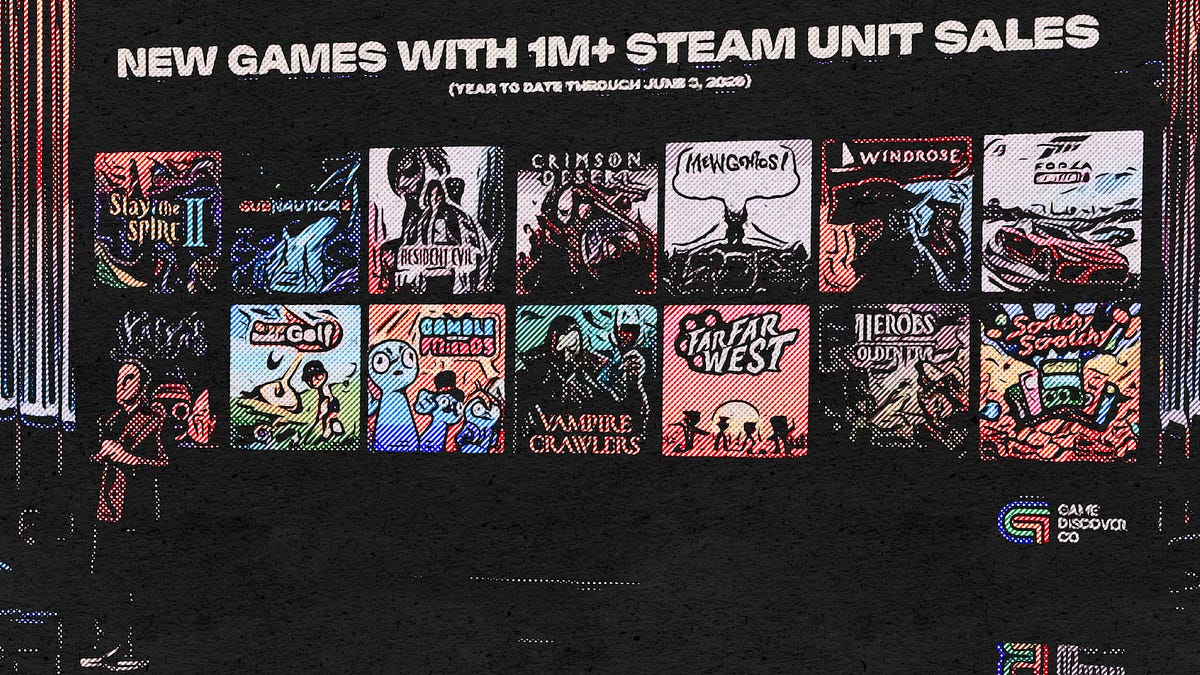
SuperJoost · 2026
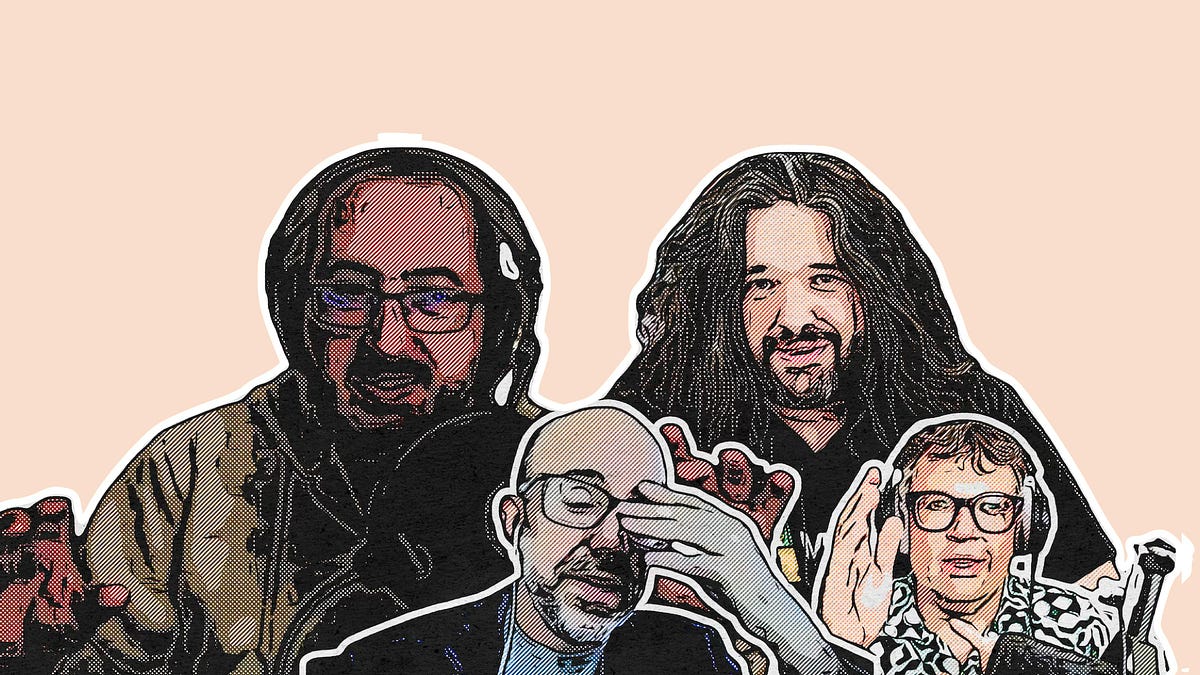
SuperJoost · 2026
SuperJoost · 2026

Almedia · 2026

Gamesight · 2026

InvestGame · 2026

GamingReport · 2025
Liftoff · 2024
Tenjin · 2022

AudioMob · 2021

Koei Tecmo · 2018

InvestGame

Gamesforum

Gamesforum

Sensor Tower · 2026