The legal battle between Epic Games and Apple serves as a pivotal moment for the $85 billion mobile gaming market, carrying significant implications for antitrust regulation and the control platform holders exert over digital ecosystems. The central thesis suggests that while Epic is unlikely to win a total legal victory due to its deliberate breach of contract, Apple faces substantial reputational and regulatory risks by maintaining its rigid 30% commission structure and closed-loop policies.
The analysis highlights the immense power of platform holders, noting that the six largest firms in the interactive entertainment industry all operate platforms. Data revealed during the trial underscores the opacity of the sector; for instance, Epic’s financial disclosures show that 88% of its revenue remains tied to Fortnite, while its digital storefront and Unreal Engine represent only 6% and 2.3% respectively. Furthermore, Apple’s defense of its curation process revealed that it rejected 1.7 million apps in 2019 alone, a statistic used to justify its commission but which also invites scrutiny regarding its efficiency and monopolistic behavior.
Geographically focused on the United States but with global regulatory implications, the scope covers the mobile, PC, and console segments. The methodology relies on a qualitative analysis of court testimonies, internal corporate memos, and financial data released during the discovery phase of the lawsuit. By comparing the situation to historical antitrust cases like the AT&T divestiture and the Microsoft browser unbundling, the findings suggest that the trial will serve as a critical reference point for future government interventions into tech monopolies, regardless of the immediate judicial outcome. Ultimately, the industry is moving toward a period of forced transparency that may permanently alter the relationship between platform holders and third-party developers.

SuperJoost · 2026

SuperJoost · 2026
SuperJoost · 2026
SuperJoost · 2026

SuperJoost · 2026

SuperJoost · 2026
SuperJoost · 2026

SuperJoost · 2026

SuperJoost · 2026
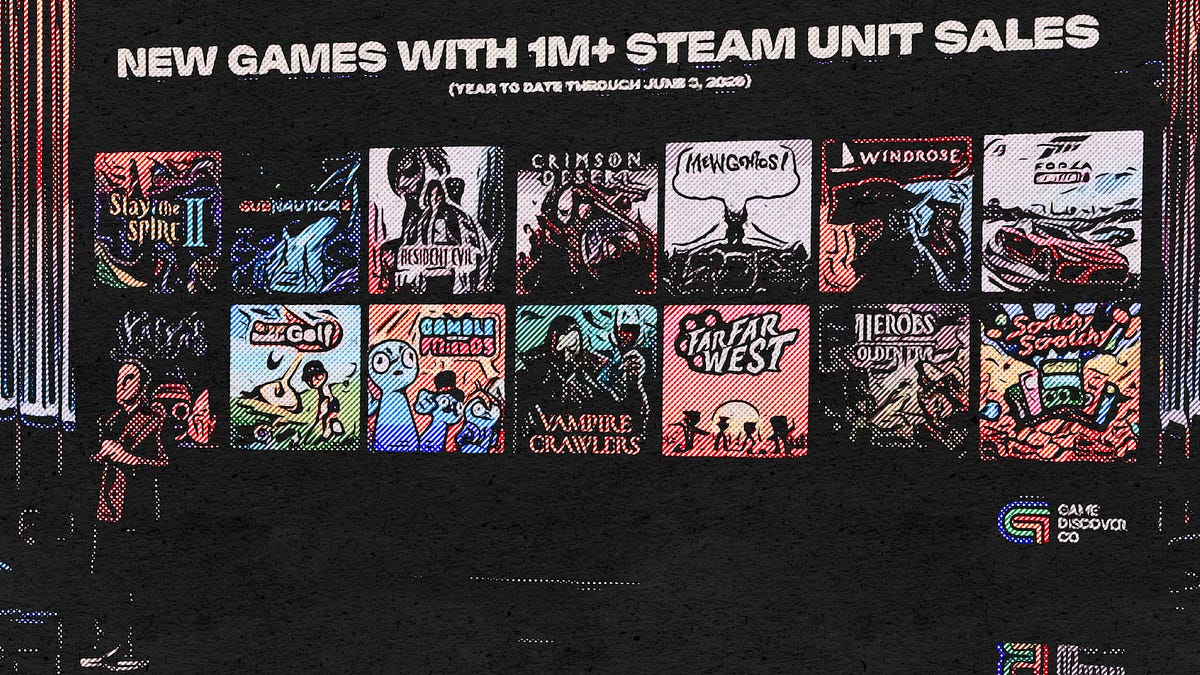
SuperJoost · 2026

SuperJoost · 2026
SuperJoost · 2026
Almedia · 2026
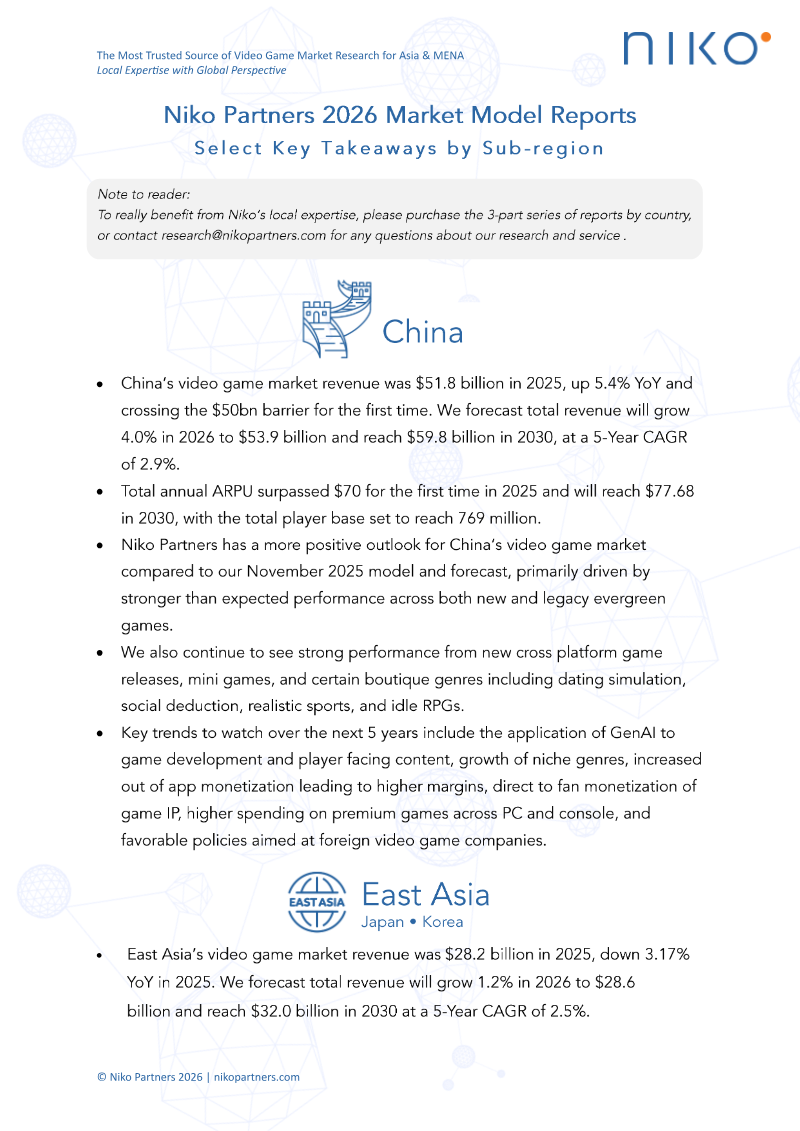
Niko Partners · 2026
Gamesight · 2026
Sensor Tower · 2026

Sensor Tower · 2026
AppLovin · 2026

Sensor Tower · 2026

Mintegral · 2026

Sensor Tower · 2026
Newzoo · 2026
Modern Times Group · 2026
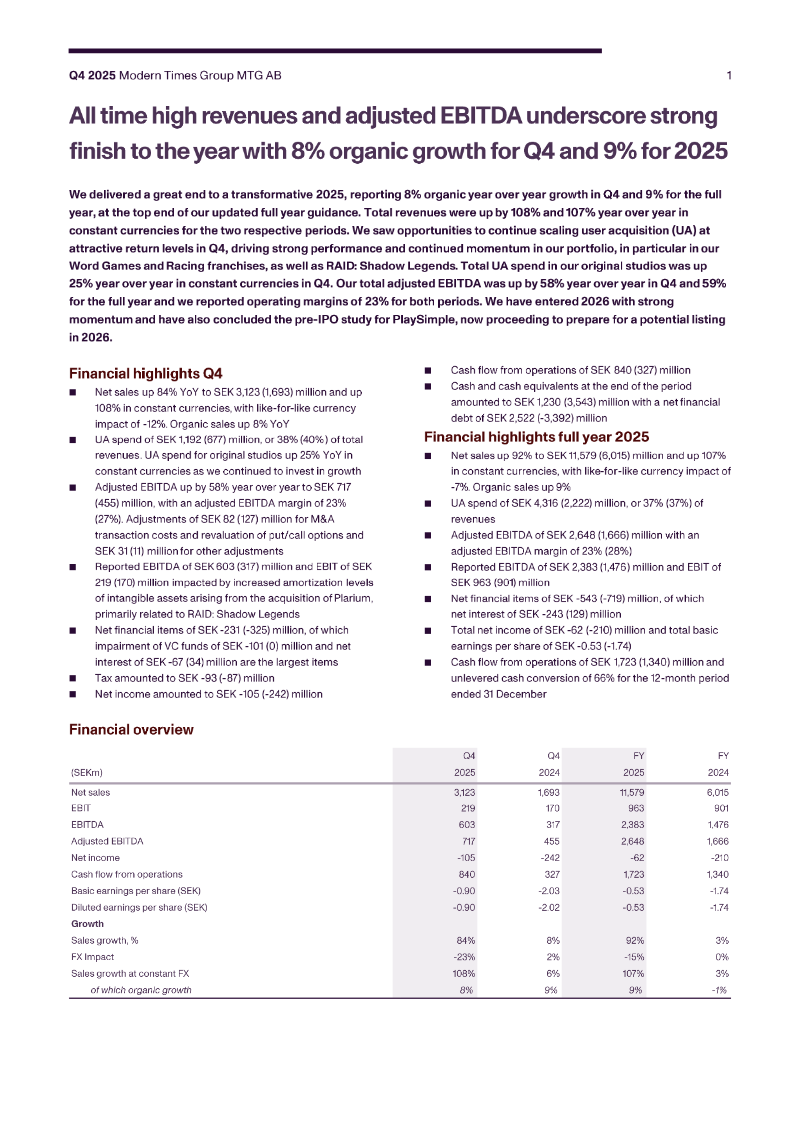
Modern Times Group · 2026