Market (Mobile)·Updated Apr 8, 2026 by Sensor Tower
Report · April 5, 2026
Published by Sensor Tower
The 2026 State of Mobile report demonstrates that the global mobile ecosystem remains mature yet increasingly monetized, with 2025 in‑app purchase (IAP) revenue reaching $85.6 billion—a 21 % year‑over‑year rise that now places non‑game apps ahead of games for the first time. Generative AI and short‑form drama have become the fastest‑growing subgenres, driving double‑digit IAP growth; AI assistants such as ChatGPT alone generated $3.4 billion in 2025, while short‑drama apps captured more than ten percent of global video‑entertainment time. These categories also show a shift from acquisition to retention, with session volumes outpacing downloads and time spent tripling in AI apps. Hybrid‑casual and hyper‑casual games continue to lead revenue growth, especially in Tier 2 markets where downloads are falling but engagement is surging. Publishers targeting these segments can capture higher revenue per user, though they face tighter ad‑spend competition and a move toward high‑attention formats. In the gaming web arena, Roblox dominates with 74 % of game‑publisher site visits in 2025, underscoring the importance of product‑centric web design. Beyond entertainment, general‑shopping apps such as Temu and Amazon maintain massive download volumes, with grocery and buy‑and‑sell subgenres growing 5 % and 4 % YoY, respectively. Food & drink apps hit a record 2.4 billion downloads in 2025, driven largely by emerging markets like India and the Middle East. Mobility and sports apps also show notable shifts: Waymo’s standalone app captured 15 % of rideshare MAUs in key U.S. metros, while DFS‑style sports betting apps now command 80 % of the betting‑app MAU share, reflecting regulatory impacts and new market entrants. Overall, the report covers a global geographic scope with particular emphasis on the U.S., India, Western Europe, and emerging Tier 2 markets. It spans 2025 data with forward‑looking insights for 2026, highlighting AI’s transformative role across monetization, user engagement, and competitive dynamics in the mobile industry.
Sensor Tower Report Report blinkit zomato P N State of iD e Flo Mobile 2026 The industry's leading report The industry's leading report
Executive Summary | Key Takeaways 01 02 03 Generative AI Defined Mobile Entered a Gaming Continues Shift Mobile in 2025 Monetization-First Era From Scale To Efficiency AI assistants reached massive user bases and expanded into The mobile market is mature but far from stagnant, with With UA costs elevated, winners sustained growth by new use cases, while generative AI became a key growth growth shifting decisively toward monetization as leading improving unit economics via deeper monetization and live driver across the mobile ecosystem. apps deploy increasingly diverse revenue strategies. ops discipline, supported by high-attention ad formats. 04 05 06 Non-Game Apps Surpassed The Attention Economy Mobile is Global — But Games for Mobile Revenue Spans Categories Knowing Your Market is Key For the first time, consumers spent more on non-game apps Games now compete with social, short-form drama, and AI Mobile is increasingly interconnected, yet country-specific than games in 2025, fueled by strong revenue growth across apps for time spent. Capturing attention is the clearest path forces (like tariffs and regulations) make deep market generative AI, social media, video streaming, and productivity. to monetization, retention, and long-term growth. knowledge critical, from retail to sports betting. Tower Sensor
Executive Summary | Mobile Landscape at a Glance New App In-App Purchase Total Average Time # of Apps Downloads (IAP) Revenue Hours Spent Spent per User Used per User 149 $167 5.3 3.6 34 Billion Billion Trillion Hours per Day Per Month +0.8% +10.6% +3.8% +1.1% +5.4% YoY Growth YoY Growth YoY Growth YoY Growth YoY Growth iOS&Google Play iOS&Google Play. iOS&Android. iOS&Android Across80Markets iOS&Android Across80Markets Revenue is gross,inclusive of any Excludes third-party Android in (Excludes China) (Excludes China) percent taken by the app stores. China and other markets. 284,000apps $318,000spent >600hours on average >13minutes 10unique apps downloaded per per minute in2025 for every person on per waking hour used each day per user minute in2025 per minute in 2025 Earth in2025 on average minute in 2025 Earth in 2025 SensorTower SensorTower SensorTower
Contents 01 02 03 04 Macro Mobile Trends AI on Mobile Gaming Finance Page 08 Page 20 Page 28 Page 40 05 06 07 08 Retail Video Streaming Social Food and Drink Page 46 Page 54 Page 59 Page 65 09 10 11 12 Travel Health and Fitness Sports Top Apps and Games Page 71 Page 77 Page 82 Page 88
Sensor Tower | Our Customers Top publishers trust Sensor Tower insights to grow their business . CU ocaCola Note:Top publishers by app store revenue|Source:Sensor Tower Tower Sensor
About this data: Methodology Sensor Tower’s Market Insights team compiled the download and IAP Android app download and revenue estimates represent downloads revenue estimates provided in this report using the Sensor Tower Mobile and revenue from the Google Play Store only. Sensor Tower does not App Insights platform. provide download estimates for third-party Android stores. Figures cited in this report reflect iOS App Store and Google Play In-app purchase (IAP) revenue includes paid downloads,in-app download and revenue estimates for January 1, 2014 through purchases, and subscriptions from the iOS App Store and Google December 31, 2025. Play. This does not include any revenue from advertisements or third-party purchases. Download estimates presented are on a per-user basis, meaning that In-app purchase (IAP) revenue estimates are gross — inclusive of any only one download per Apple or Google account is counted towards $ percent taken by the app stores. the total. View Detailed Report Methodology Here. Tower Sensor
Global mobile app consumer spending reached a record $43.2 billion in the third quarter of 2025, representing an 11.3% year-over-year increase. This growth was primarily fueled by a 20% surge in non-game revenue, particularly from Generative AI tools which generated $1.5 billion during the period. While total global downloads remained stable at 37.6 billion, a clear divergence emerged between sectors; non-game downloads grew by 5.5%, while gaming installs continued a post-pandemic decline. Geographically, the United States maintained its market leadership with $15 billion in revenue, though Brazil emerged as the fastest-growing major market with a 29% revenue increase. India simultaneously reached a two-year high in downloads, surpassing 6.5 billion. The digital advertising landscape saw significant expansion, with U.S. spend rising 12% to $35.9 billion. Social media remains the dominant channel, capturing 72% of the market, but mobile app advertising is the fastest-growing segment at 42% year-over-year. Within specific industries, the gaming sector entered the top five spending categories for the first time following a 28% increase in investment. Strategic shifts were also evident in the insurance and consumer goods sectors, where companies like Geico and Procter & Gamble executed massive quarterly spending spikes to capitalize on premium fluctuations and seasonal demand. Retail media has become a critical pillar of the digital economy, dominated heavily by Amazon. Generating over 80 billion impressions, Amazon’s reach surpassed the combined total of the next thirty major retailers. Outside of Amazon's ecosystem, retail media impressions grew 7% year-over-year, though performance was inconsistent across platforms; Target and Best Buy saw double-digit growth while Walmart experienced a decline. Personal care remains the most competitive retail category, driven by high-volume co-branded partnerships between major manufacturers and established retail platforms.
The global game industry in 2025 is defined by a strategic pivot toward practical generative AI implementation and sustainable monetization models in response to market saturation and rising development costs. Approximately one-third of developers now utilize AI tools to streamline prototyping and NPC creation, focusing on "human-in-the-loop" workflows to enhance personalization. However, this technological shift is met with significant friction regarding ethical sourcing, copyright concerns, and the potential displacement of narrative designers. To combat AAA stagnation, studios are increasingly adopting "niche" live service models and "hybrid-casual" mobile strategies, leveraging telemetry for personalized monetization and prioritizing player re-acquisition over expensive new user acquisition. Financial sustainability has become a primary concern, with 56% of studios now relying on personal funding as the publishing landscape becomes more selective. This has led to a surge in self-publishing and the adoption of HTML5 and WebGPU technologies for more efficient cross-platform distribution. The mobile sector reflects this shift, with narrative-driven advertising propelling the in-game ad market to $100 billion in 2024, officially surpassing in-app purchase revenue. Simultaneously, the industry is embracing social responsibility through the Accessible Games Initiative, which introduces standardized storefront tags to assist the 16% of the global population living with disabilities. The labor market is undergoing a historic transformation, marked by a 17% layoff rate that has catalyzed the formation of the United Videogame Workers union. Despite these workforce challenges, technical innovation continues across hardware and software, evidenced by the rise of affordable mixed-reality devices and the debut of high-performance handheld platforms like the Snapdragon G3 Gen 3. Creative excellence remains a central pillar of the industry, as demonstrated by the indie title Balatro winning Game of the Year at the 2025 Game Developers Choice Awards, signaling that innovative, community-focused projects can still achieve massive success in a highly competitive global market.
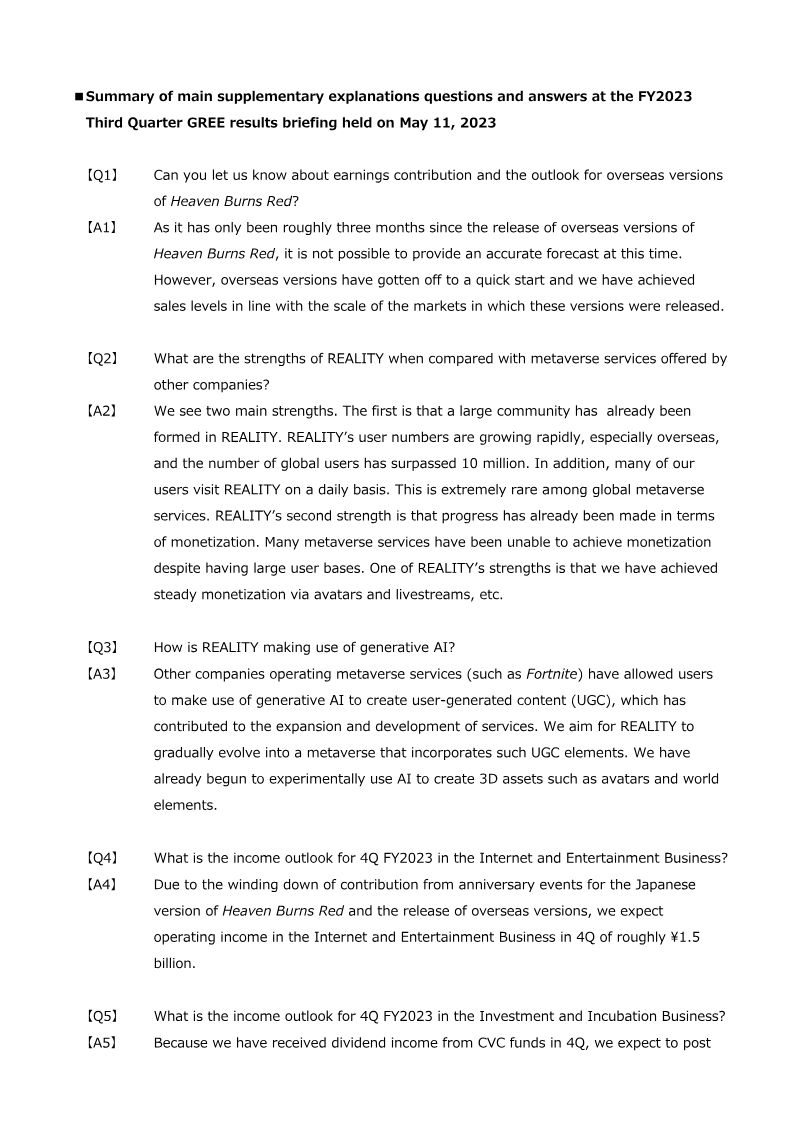
The mobile gaming industry is entering a period of strategic recalibration, projected to reach $126.1 billion in revenue by 2025. This growth is underpinned by a transition toward hybrid monetization models and the integration of AI-powered personalization to combat persistent retention challenges. While global install volume grew by 4% in 2024, the market exhibits a distinct geographic divide; North American and European markets face stagnation, whereas Latin America and the Middle East and North Africa regions demonstrate robust expansion. Success in this evolving landscape requires developers to move beyond traditional acquisition, favoring diversified channels such as Connected TV and localized, player-centric engagement strategies. Data from early 2025 indicates that user tracking remains a pivotal operational hurdle, with global App Tracking Transparency opt-in rates hovering at 37.9%. Although arcade games have seen notable improvements in opt-in performance, the United States remains relatively static at 32%, underscoring the necessity for refined messaging strategies to maintain visibility. Concurrently, the industry is grappling with a complex financial environment characterized by rising costs per install and declining average revenue metrics. These headwinds are forcing a shift in marketing tactics, as developers increasingly rely on a broader array of acquisition partners and data-informed creative experimentation to sustain growth. Ultimately, the path to profitability in 2025 lies in prioritizing long-term player value over short-term acquisition metrics. By leveraging AI-driven optimization and fostering community-building initiatives, developers can mitigate the impact of declining revenue per user. The industry is clearly moving toward a more sophisticated, data-reliant ecosystem where the ability to measure performance across fragmented channels—including mobile and Connected TV—is essential for maintaining a competitive advantage in a maturing global market.
The analysis quantifies the rapid expansion of generative‑AI applications in the first half of 2025, documenting 1.6 billion downloads and $1.2 billion in in‑app‑purchase revenue. This represents a 67 percent increase in downloads and a 200 percent jump in revenue compared with the second half of 2024, indicating a pronounced acceleration in user adoption and monetisation. Engagement metrics rose in tandem, underscoring the sector’s heightened activity during this period. User demographics reveal a pronounced male and youth bias: roughly 60 percent of users are male and nearly 70 percent are under 35. While flagship services such as ChatGPT and Google Gemini attract comparatively balanced audiences and exhibit strong cross‑app overlap, niche offerings—including Grok and DeepSeek—tend to cluster with privacy‑focused, crypto‑trading, and gaming user personas. This segmentation highlights divergent appeal across the generative‑AI landscape. Advertising investment intensified, with OpenAI’s major campaign propelling it into the top‑ten spenders in key markets such as the United States, India and South Korea. AI‑driven ad creatives increasingly employ light‑hearted, animal‑centric visuals while emphasizing concrete everyday utilities, exemplified by Google Gemini’s car‑warning guidance and Microsoft Copilot’s quiz‑making and recipe‑generation tools. Spend estimates, tracked across U.S. platforms including Reddit, LinkedIn, TikTok and YouTube, illustrate the breadth of digital‑advertising channels leveraged. Overall, the findings portray a sector experiencing explosive growth, a skewed yet evolving user base, and a surge in AI‑powered marketing activity across major global markets during H1 2025.