
ArticleSuperJoost
Activision's Death by 418 Cuts: Did the Anti-trust Watchdog Go Beyond Its Call of Duty?
4 May 2023~12 min full read
This analysis examines the UK Competition and Markets Authority’s (CMA) decision to block Microsoft’s acquisition of Activision Blizzard, arguing that the regulator overstepped its mandate based on flawed projections of the nascent cloud gaming market. The thesis posits that the CMA’s decision relies on "hallucinations"—confident assertions unsupported by historical industry data or current market realities—which ultimately stifle competition rather than protect it.
The critique highlights several key data points and findings to challenge the regulator's logic. Historically, new distribution channels like mobile gaming have expanded the total market (growing consoles from $24 billion to $68 billion) rather than cannibalizing existing ones. Furthermore, the analysis notes that Activision currently has zero cloud-based revenue and no stated interest in the model, contradicting the CMA’s claim that the publisher would independently drive cloud innovation. Data from Ofcom is used to show that the UK subscription market is currently dominated by Sony, yet the CMA’s 418-page report mentions Sony 267 times and Game Pass 168 times, while mentioning Apple only 12 times, despite the mobile sector being a primary area where Microsoft could challenge existing duopolies.
The scope of the analysis focuses on the UK regulatory environment and its global repercussions for the gaming industry, specifically the console, mobile, and cloud segments. It concludes that by blocking the merger, the CMA reinforces the dominance of incumbents like Sony, risks increasing costs for UK consumers, and delays labor improvements for Activision’s 9,500 employees. The methodology involves a qualitative review of the CMA’s final report, historical market trends, and comparative analysis of regulatory attention across different industry players. The author suggests that the decision reflects a fundamental misunderstanding of how gaming ecosystems evolve and warns that such "paternalistic" regulation may weaken the UK’s global competitive position.

SuperJoost · 2026

SuperJoost · 2026
SuperJoost · 2026

SuperJoost · 2026

SuperJoost · 2026

SuperJoost · 2026
SuperJoost · 2026

SuperJoost · 2026

SuperJoost · 2026
SuperJoost · 2026

SuperJoost · 2026

SuperJoost · 2026
Games Workshop Group · 2025
Ampere Analysis · 2023
Drake Star Partners · 2026
Aream & Co · 2026
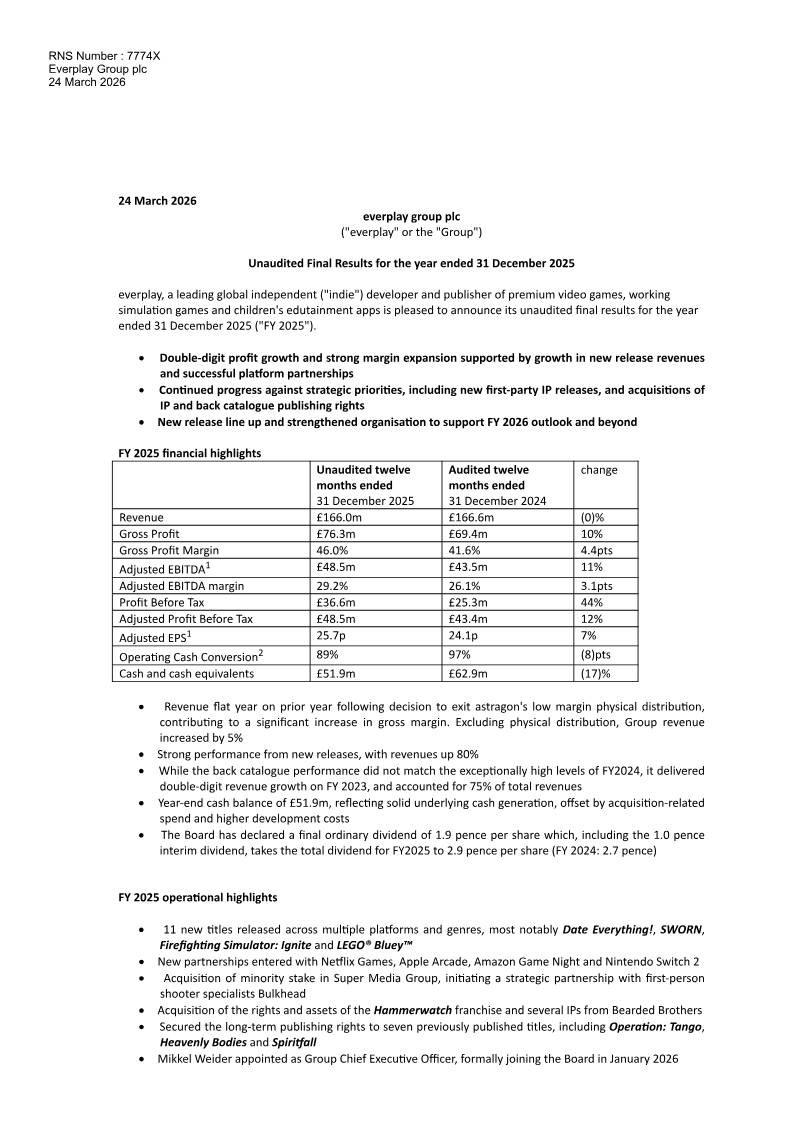
Everplay Group · 2026
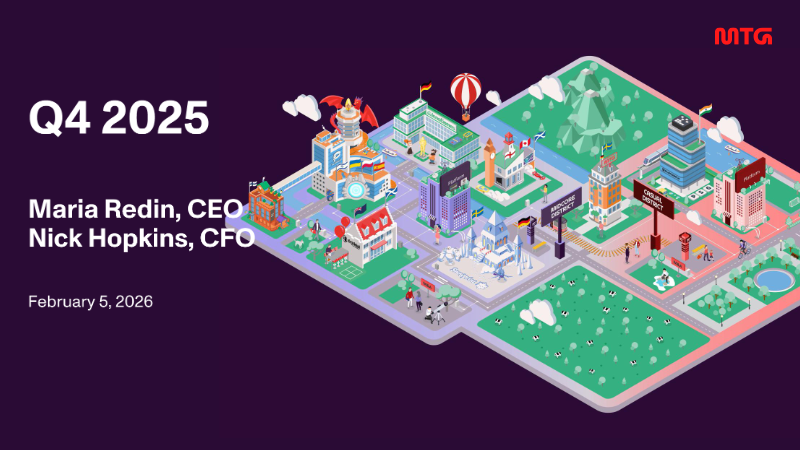
Modern Times Group · 2026
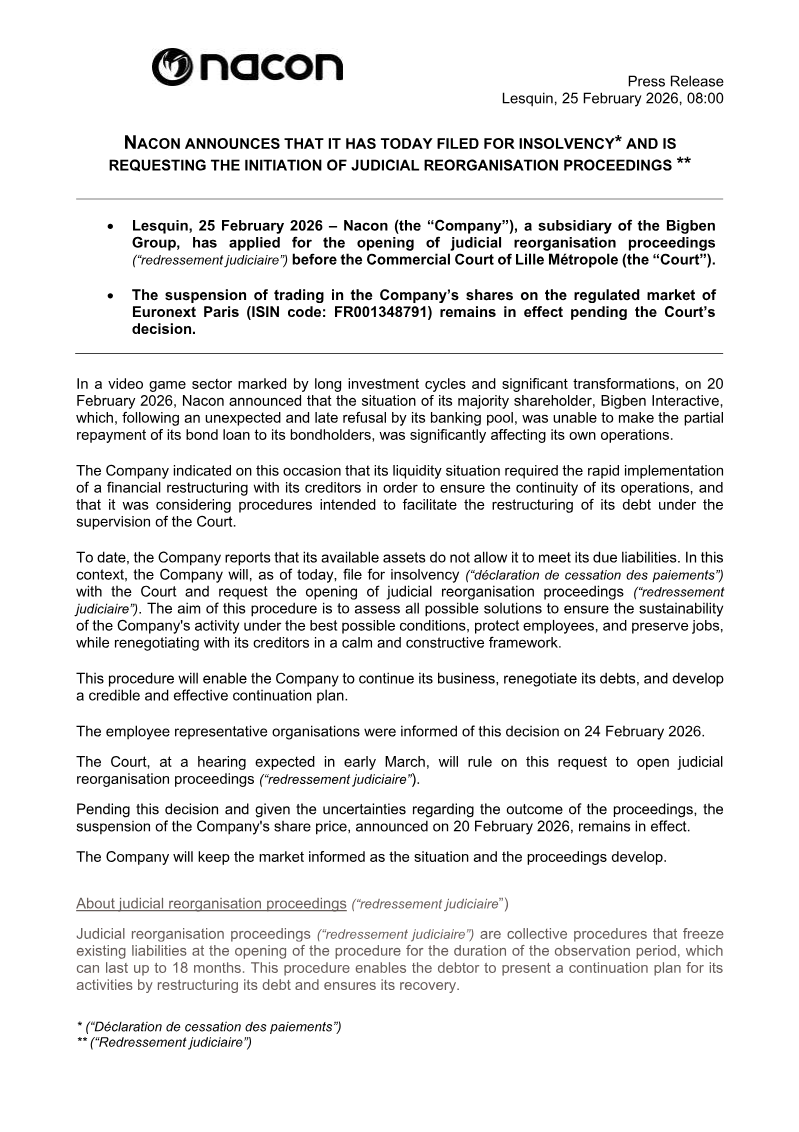
Nacon · 2026
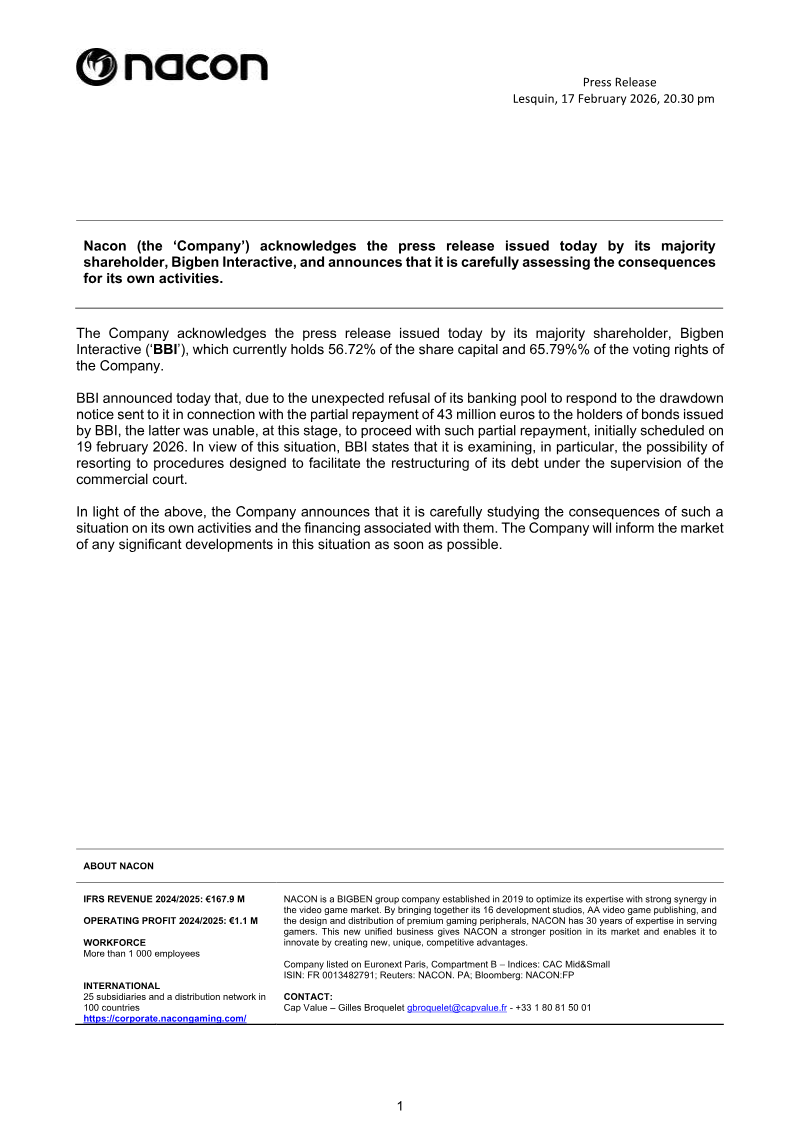
Nacon · 2026
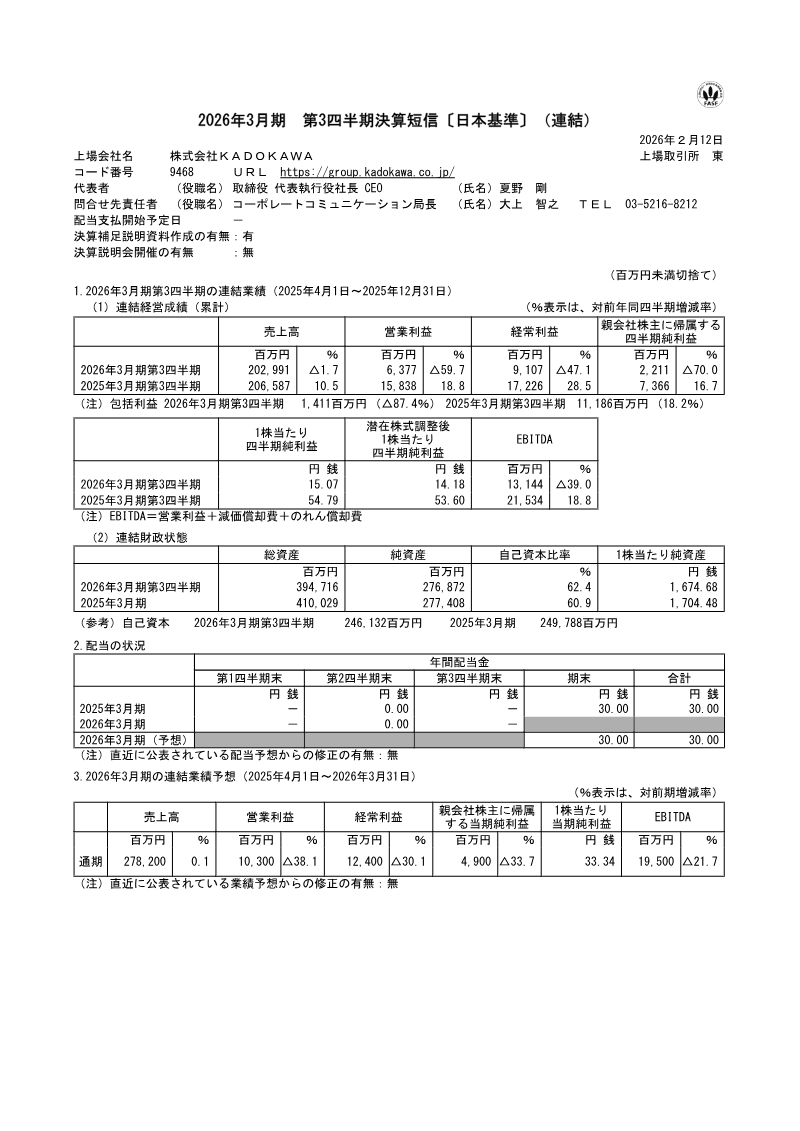
Kadokawa Corporation · 2026
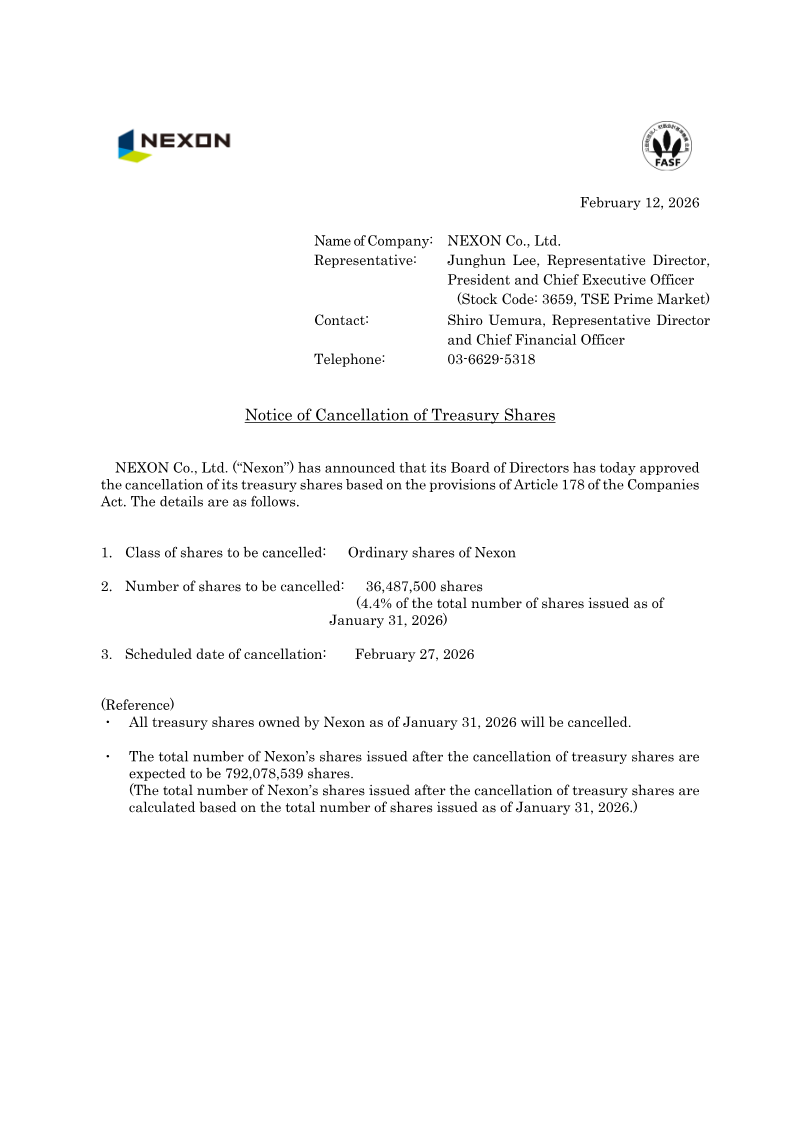
NEXON Co. · 2026
Akatsuki · 2026
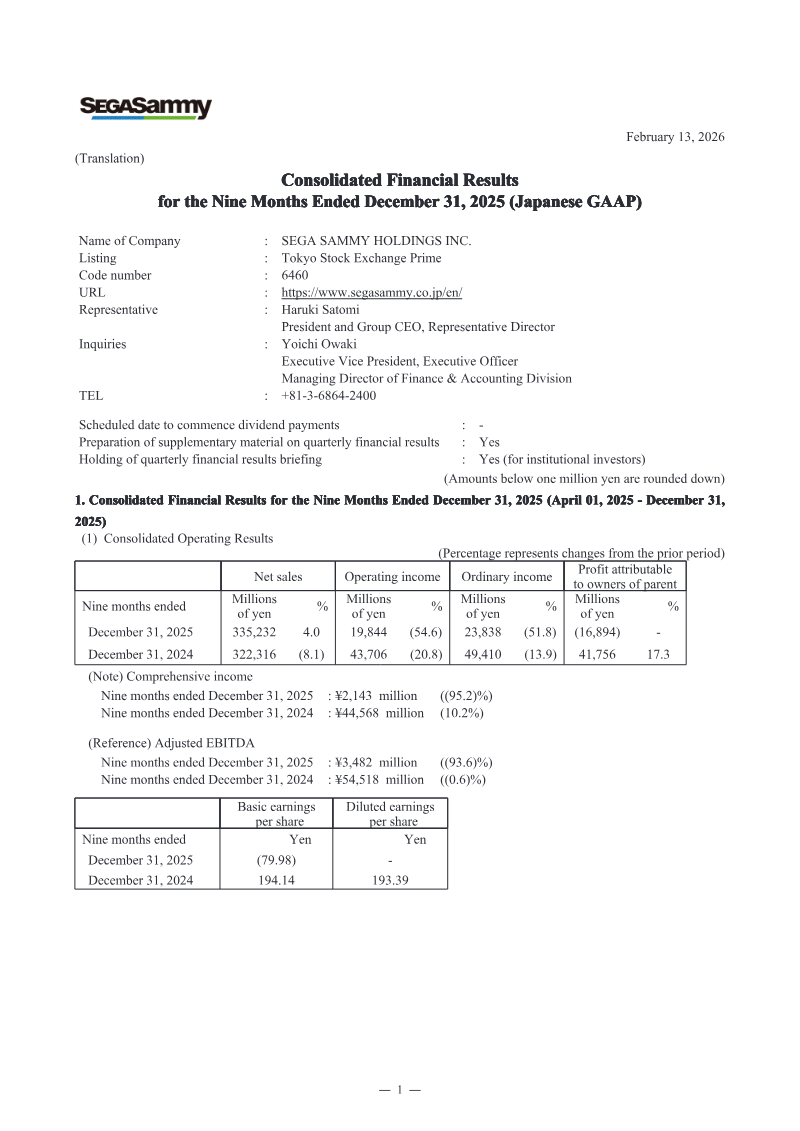
Sega Sammy Holdings · 2026