1 free read left. Create a free account for unlimited reading + AI research.
Create free accountArticle DiGRA
1 free read left. Create a free account for unlimited reading + AI research.
Create free accountArticleDiGRA
The paper says mascot horror was popularised through YouTube creator culture and extended through transmedia merchandising. Its themes are read as mirroring the precarity of online content creators.
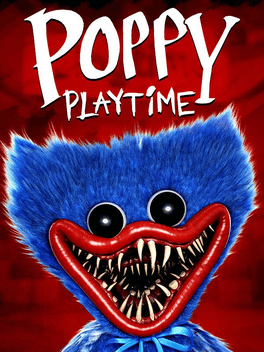
"Scary Business" examines mascot horror, a subgenre of survival horror exemplified by Five Nights at Freddy's: Security Breach, Poppy Playtime, and Garten of Banban, as both a product and a reflection of digital platformisation. Its central thesis is that these games, built around cartoonish antagonists tied to children's media, corporate misconduct, and nostalgia, were popularised through YouTube creator culture and extended through transmedia merchandising, and that their themes mirror the precarity of online content creators and the dominance of capitalist realism. The analysis draws on feminist close reading, direct gameplay, and the study of Let's Play videos, and it positions the genre as a postclassical survival horror form defined by first-person perspectives and mysteries rooted in corporate wrongdoing.
A key argument concerns the genre's gendered design and merchandising. The authors contend that mascot horror reproduces heteronormative stereotypes, pointing to Mommy Long Legs's emotionally unstable portrayal, the gendered caregiver and protector roles, and the increasing sexualisation of Chica. These characters flow into children's toys, linking the games' critique of late-twentieth-century child-oriented consumer culture to the wider corporatisation of gendered toys. The paper treats children as a substantial part of the audience, though this claim rests largely on anecdotal evidence such as Huggy Wuggy merchandise and the visible presence of Five Nights at Freddy's products in retail settings.
The authors frame their work as a surface reading and acknowledge its limits. They propose future research into how independent developers use platforms, the community roles within online genres, and the consumerist tendencies of transmedia mascot horror. Taken together, the study presents mascot horror as a revealing case of how platform economies, corporate branding, and gendered consumer culture shape contemporary horror games.
Each row is a game or company this document names, each column a document, oldest first. A mark means that document names it. Select a row to see those documents.

DiGRA · 2026

DiGRA · 2026



DiGRA · 2026
DiGRA · 2026