1 free read left. Create a free account for unlimited reading + AI research.
Create free accountWhitepaper DiGRA
1 free read left. Create a free account for unlimited reading + AI research.
Create free accountWhitepaperDiGRA
This paper by Frans Mäyrä examines the role of demonic figures and imagery in digital games, arguing that while theory on monsters in games is well developed, the specific category of the demonic remains underexplored. Its central thesis draws on Mäyrä's earlier theory of demonic polyphony and the "Textual Self," which holds that demonic figures signal internal tensions in subjectivity and agency. The study situates demons within gaming history, beginning with the late 1970s dungeon-adventure games inspired by Dungeons & Dragons and the 1980s moral panics in the United States that linked role-playing games to occultism, while noting that demonological imagery has persisted in gaming culture after those religious anxieties faded.
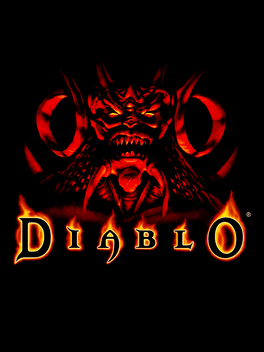
The analysis traces how demons function across game genres. In first-person shooters such as DOOM, demons serve as endless adversaries and grotesque, transformable monsters, with the underlying anxieties about military empowerment through technology read through historically male relationships to power and sexuality. Action role-playing games like the Diablo series shift the player's perspective and pacing while retaining an ambiguous dynamic of armored bodies struggling to control instinctual, chthonic impulses, and the first game's ending, in which the player character becomes possessed by Lord Diablo, marks a step toward integrating the demonic with the Self. The paper also examines the more psychologically complex Hellblade: Senua's Sacrifice, which blends Scandinavian mythology, combat, and psychological horror in a way that invites interpretations ranging from psychosis to religious myth.
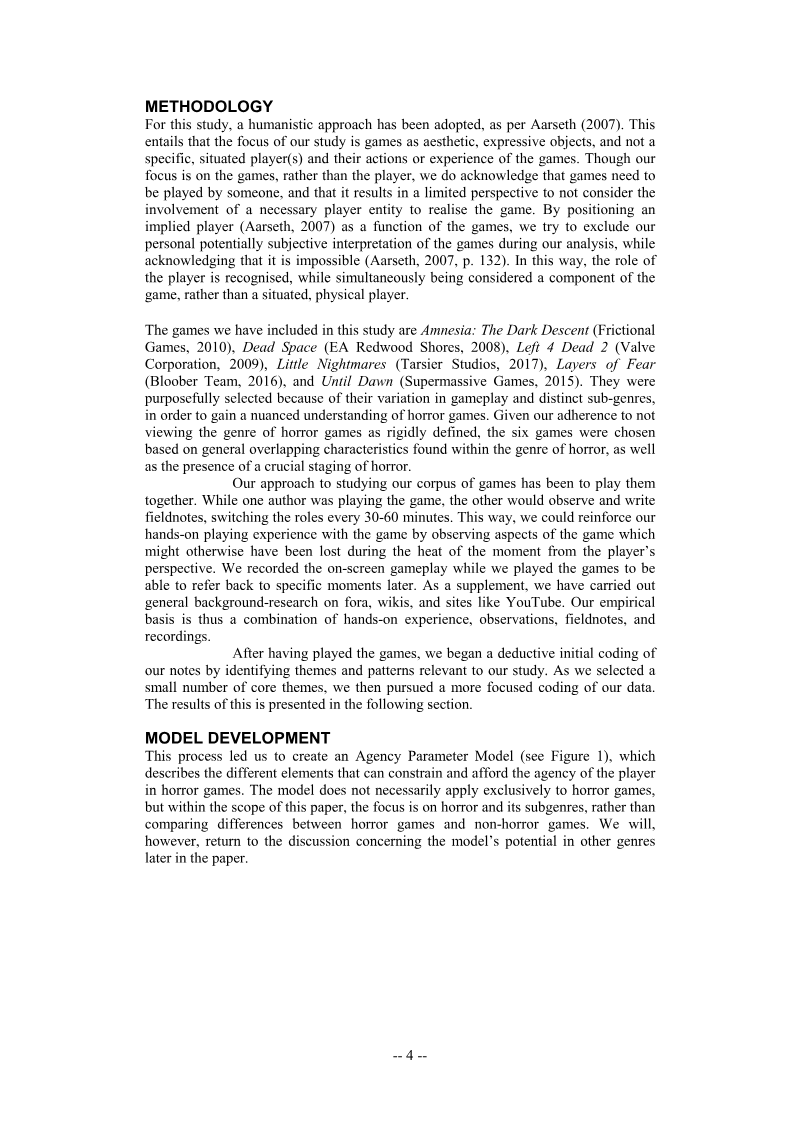
The study's methodology is qualitative and interpretive rather than empirical, drawing on close readings of popular game examples and dialogue with scholarship on monsters, horror, and gender. Its stated goal is to build a loose interpretive framework for classifying the nature, functions, and development directions of "ludic demons," with the aim of advancing a theory of the demonic specific to digital games.
Extra Credits · 2022