The global gaming industry is undergoing a structural shift as traditional Western dominance wanes and emerging market participants gain influence. Recent financial disclosures from CD Projekt, Roblox, and Nazara illustrate this transition, highlighting divergent paths toward profitability and growth. While established Western firms face challenges with overhead and market saturation, companies in regions like India are leveraging technological agility to expand their global footprint.
CD Projekt demonstrates a successful model for growth, reporting its second-best year in history with $217 million in sales and $149 million in net profit. By focusing on core game development and a diversified franchise flywheel, the Polish publisher is positioning itself to reach a $1 billion annual revenue run rate. Conversely, Roblox faces a persistent profitability gap; despite generating $4.9 billion in revenue, its costs—driven by infrastructure and developer payouts—have reached $5.7 billion. To address this, the platform is pivoting toward advertising, a strategic shift that risks taxing its creator ecosystem to compensate for slowing user growth.
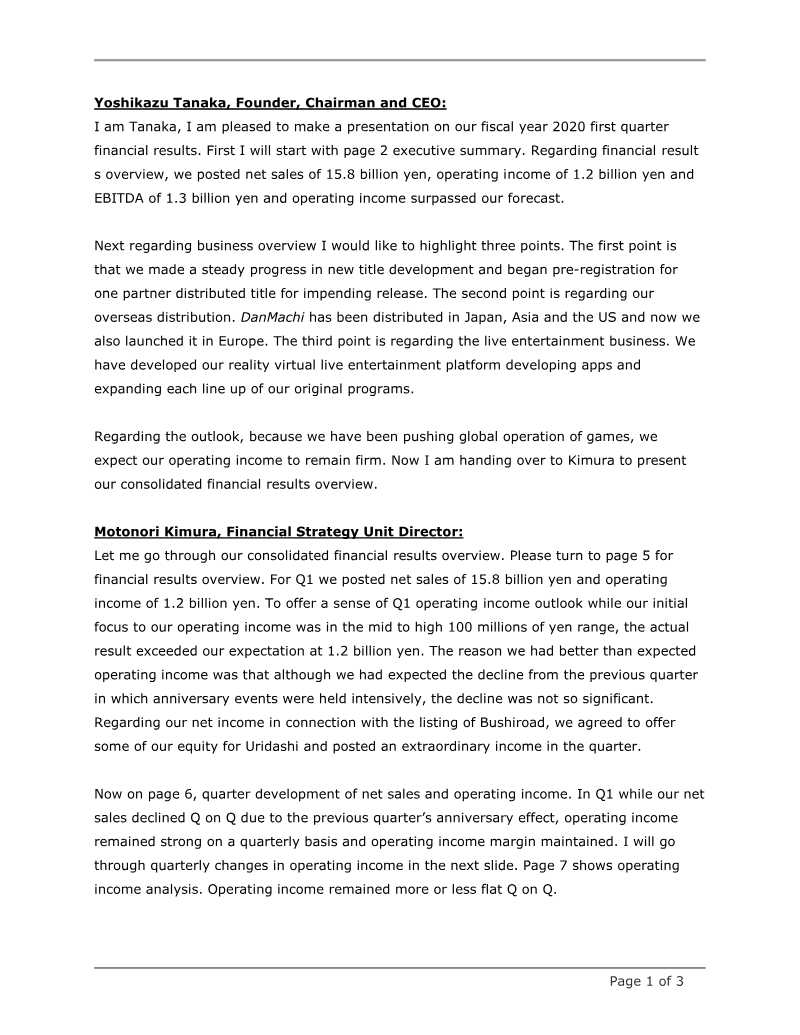
Meanwhile, India’s Nazara is actively expanding its international presence through strategic acquisitions, such as its 50 percent stake in Barcelona-based Bluetile Games. Nazara’s approach emphasizes higher-margin, IP-owned gaming assets over lower-margin media distribution. A critical differentiator for these emerging market players is their proactive adoption of artificial intelligence. Unlike Western counterparts, which often view AI with caution, firms in India and China increasingly utilize the technology as a core competitive advantage across development and live operations, potentially allowing them to leapfrog established industry leaders. These trends suggest a future where the global landscape of interactive entertainment is increasingly defined by technological integration and the rise of non-Western publishers.