Key insights
6 slides
New mandate
Sharma reframes Xbox as a platform operator, not a games executive.
The June 10 memo signals a pivot toward operational efficiency and ecosystem value.
The rising bill
Xbox faces declining software sales and a 33% hardware drop.
Software sales fell from $5.7 billion to $5.3 billion last quarter. Hardware sales dropped 33% while memory and storage costs nearly tripled.
Key number
A Game Pass price cut reversed an 8-month revenue decline.
Sharma cut Game Pass Ultimate from $29.99 to $22.99 on April 21, 2026. This returned the service to growth in revenue and retention despite delayed Call of Duty titles.
Studio strategy
Xbox may spin off acquired studios to negotiate buyouts.
The company is considering spinning off studios like Compulsion Games and Double Fine. This challenges the previous strategy that more studio ownership equals more value.
Hardware risk
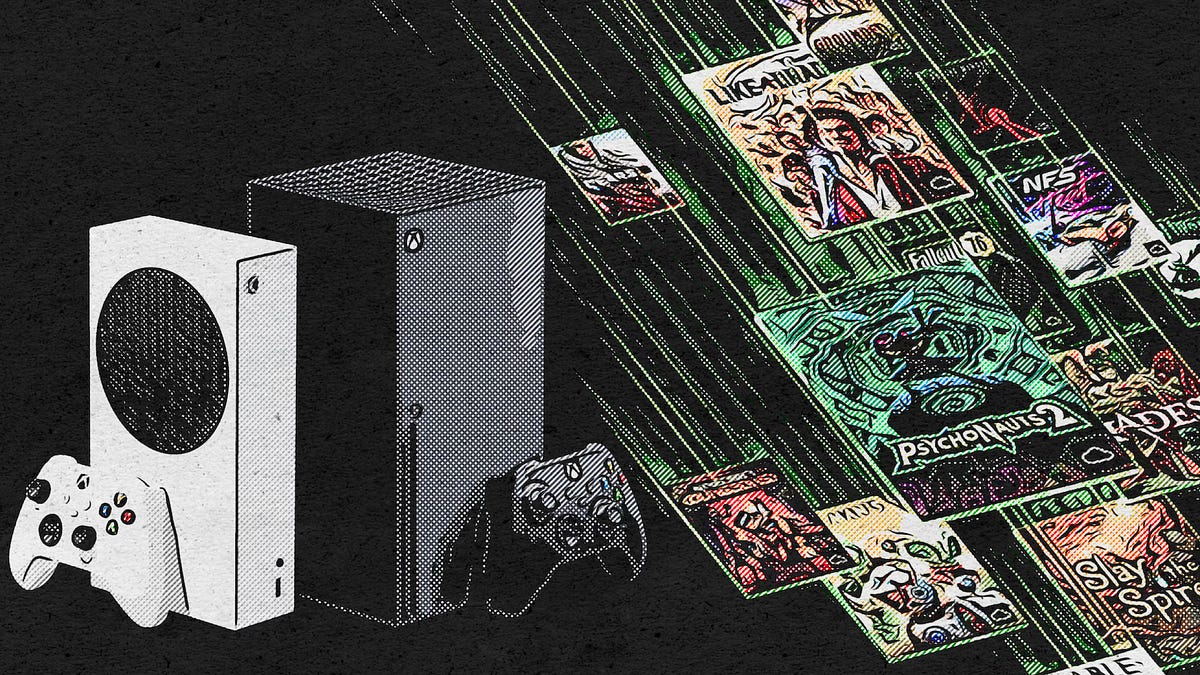
Next console Helix faces projected 5x storage and memory costs.
By the 2027 holiday season, storage and memory costs are projected to increase 5x. This necessitates a new business model and hardware partners for the Helix console.
Cloud retreat
Sharma scales back the cloud ambition that justified the Activision deal.
This represents a sharp break from the Spencer era.
Cloud scale-back. The cloud ambition that justified the Activision deal is being scaled back under Sharma.
1 / 6
Ask AI about this report