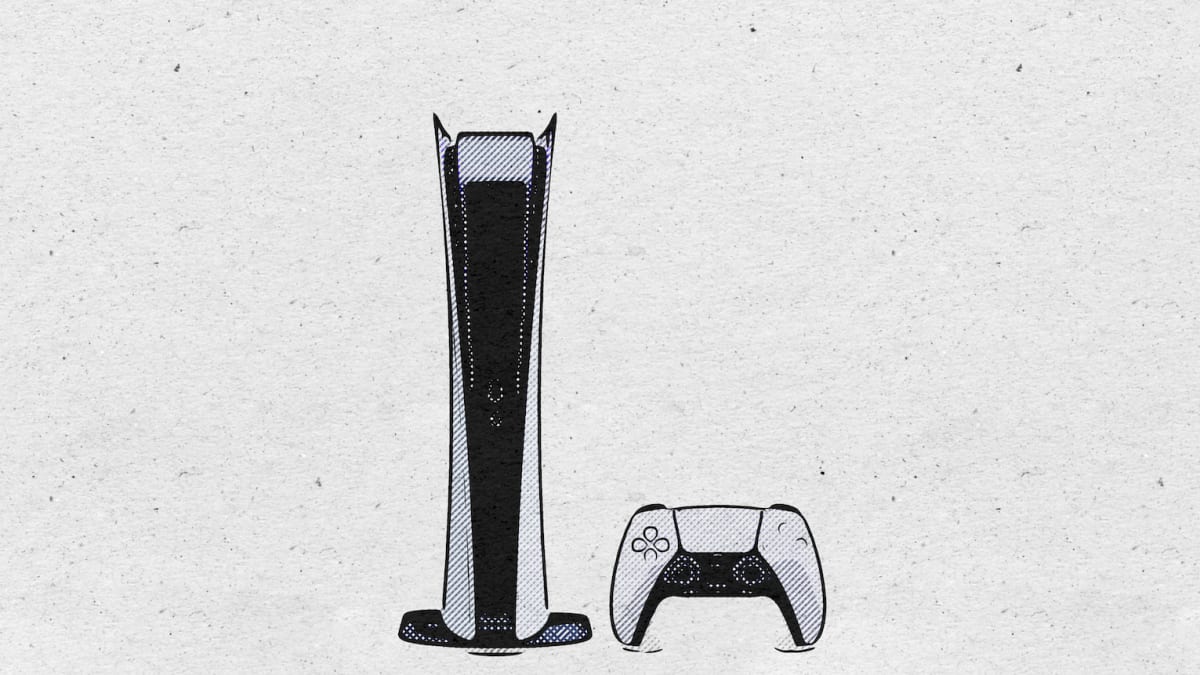
Sony’s decision to end physical disc production for PlayStation consoles by January 2028 represents a strategic shift toward maximizing platform margins by eliminating third-party retail and manufacturing costs. While this transition aligns with long-term industry trends—where digital downloads have surpassed physical sales since 2019—it highlights a growing tension between corporate efficiency and consumer loyalty. By moving exclusively to digital distribution, Sony captures a significantly higher share of revenue per unit, effectively doubling its take on third-party titles and retaining full proceeds from first-party sales.
The decline of the physical format is substantial, with global disc sales dropping from a peak of 402 million units in 2008 to 82 million in 2025. This shift is driven by the economic advantages of digital delivery, which bypasses the variable costs of global logistics, oil-dependent shipping, and the atrophied brick-and-mortar retail sector. However, this move also raises concerns regarding the erosion of property rights and the loss of a secondary market that historically served as a competitive check on platform operators. Unlike previous eras where Sony utilized disc-based hardware to build market share, the current strategy prioritizes immediate margin expansion over the cultivation of consumer trust.
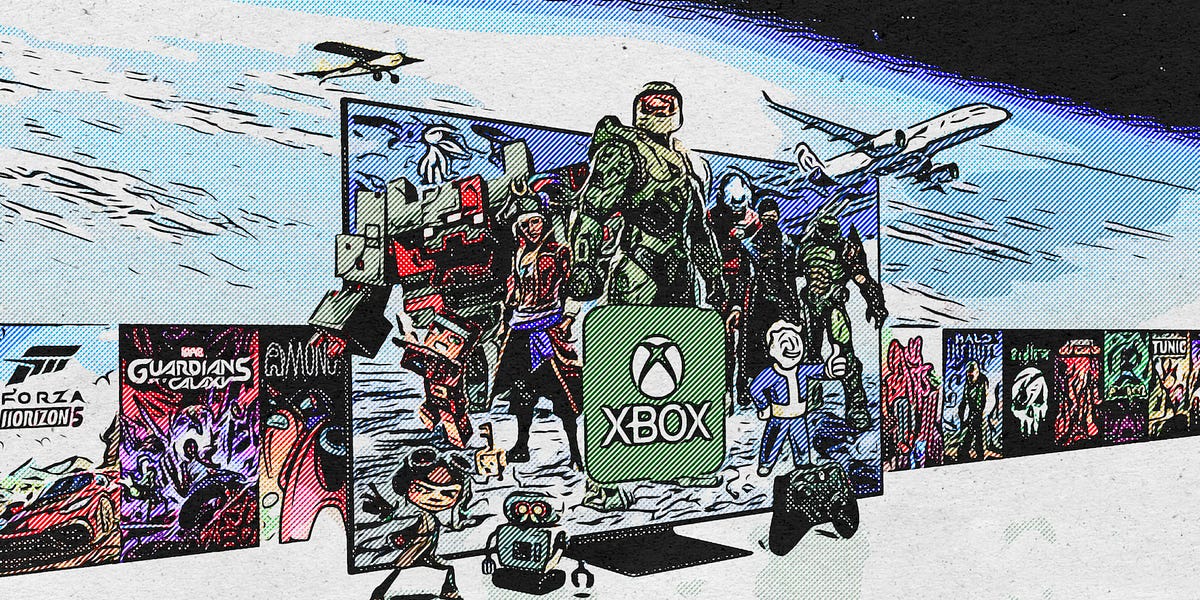
Ultimately, the transition to a disc-less future reflects a broader challenge for large tech firms operating within cultural industries. While competitors like Nintendo and Xbox have occasionally accepted lower margins to maintain goodwill, Sony’s approach risks alienating its core audience. To mitigate this, the company may need to leverage its diverse entertainment portfolio—including film, music, and anime—to provide added value through bundled subscriptions. The success of this transition will depend on whether Sony can evolve from merely owning the transaction to fostering a sustainable relationship with its players.

SuperJoost · 2026
SuperJoost · 2026

SuperJoost · 2026
SuperJoost · 2026

SuperJoost · 2026
SuperJoost · 2026

SuperJoost · 2026

SuperJoost · 2026

SuperJoost · 2026
SuperJoost · 2026
SuperJoost · 2026
SuperJoost · 2026
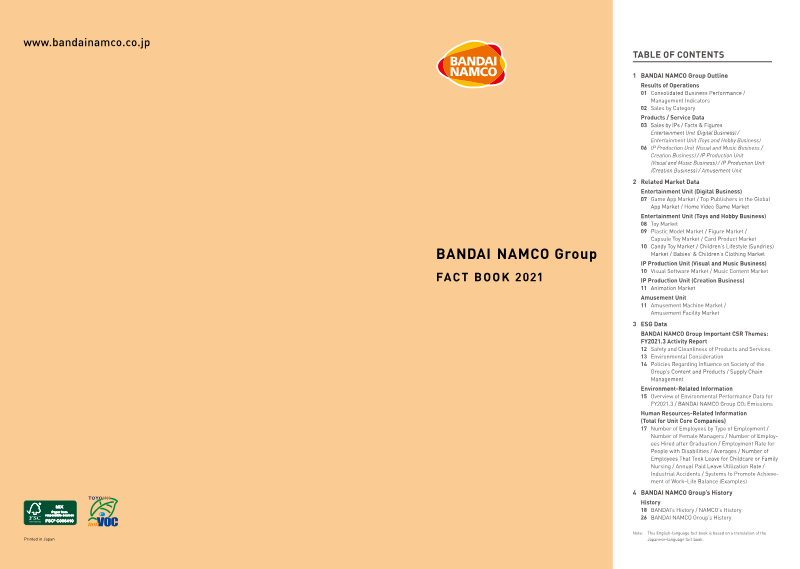
Bandai Namco · 2021

Newzoo · 2026

Coda · 2026
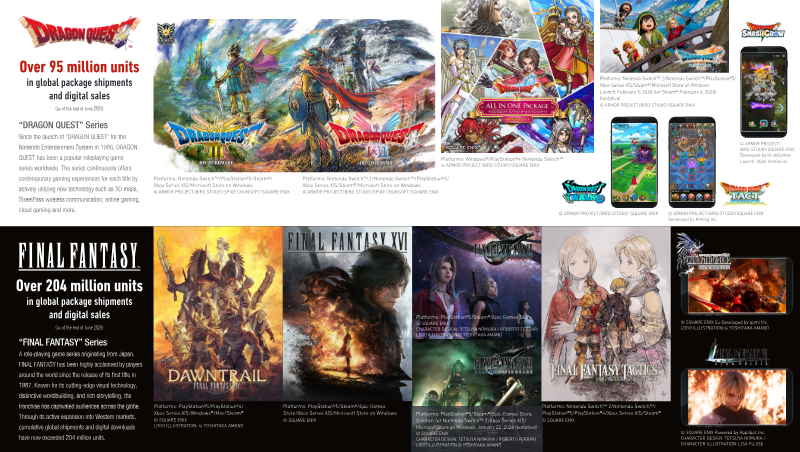
Square Enix · 2025
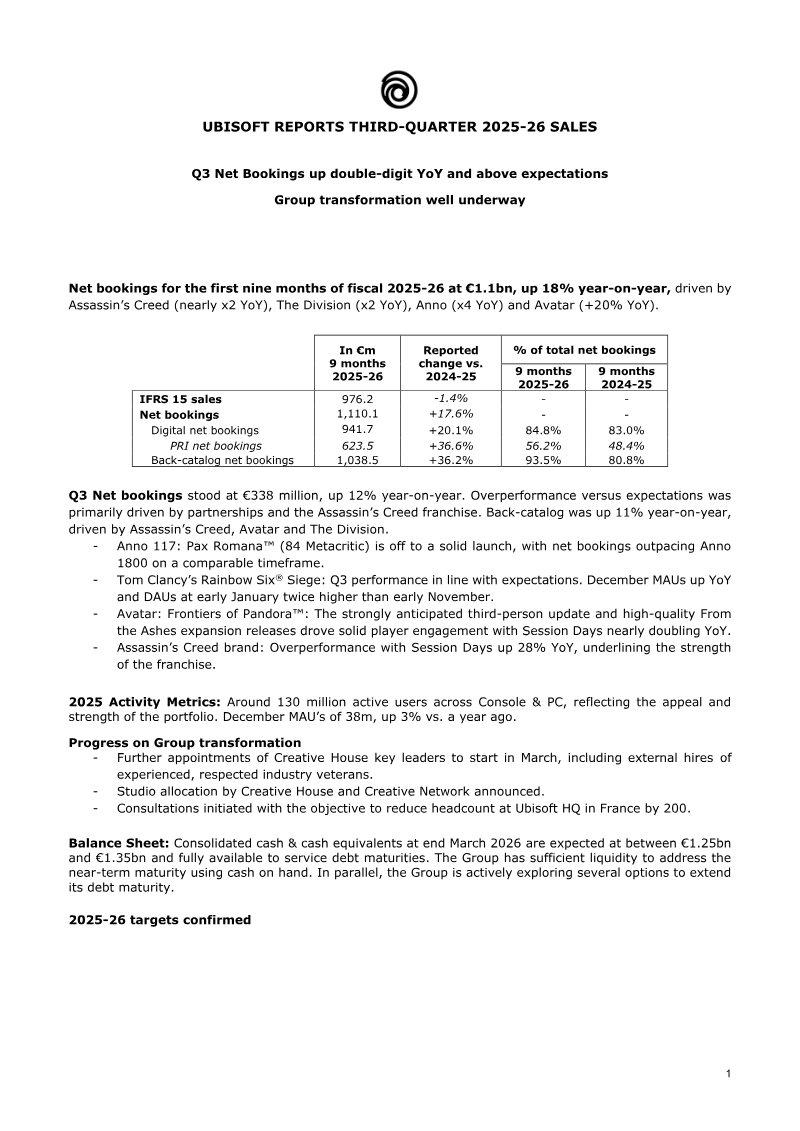
Ubisoft · 2025

Nintendo · 2025

Koei Tecmo · 2024

Sony Group · 2024
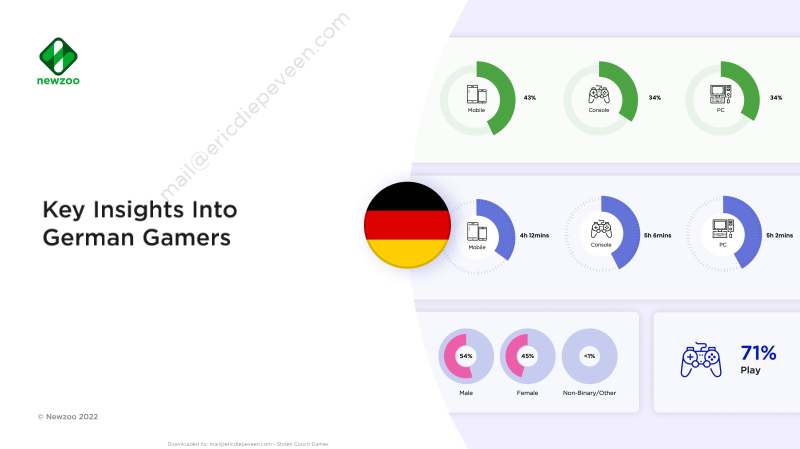
Newzoo · 2022

data.ai · 2018

Bandai Namco · 2017
GREE · 2014