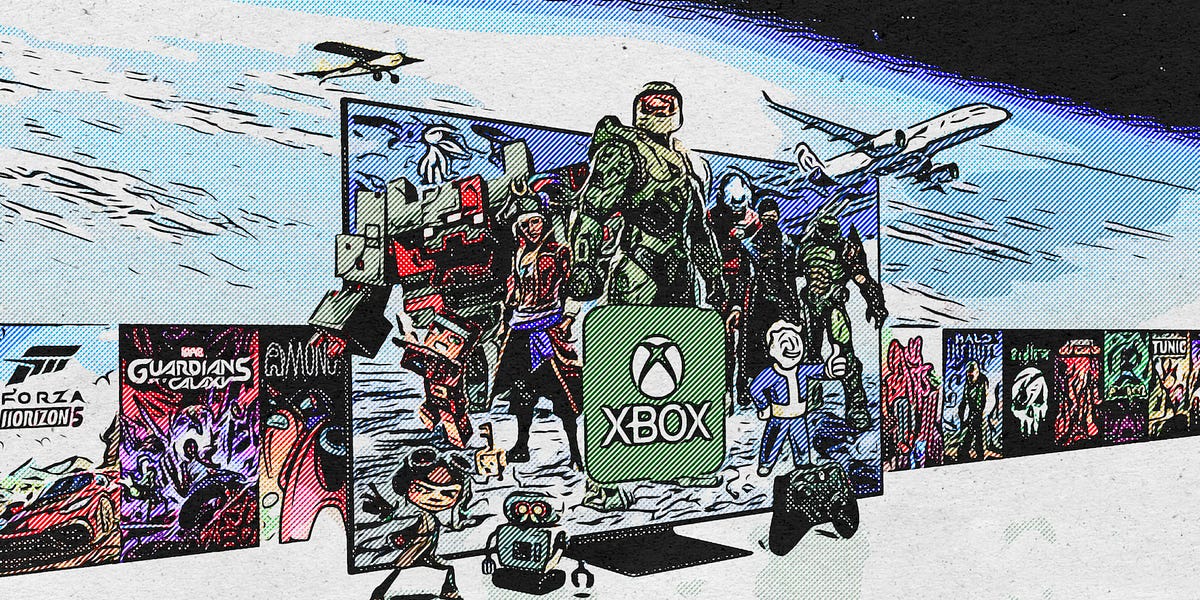
The gaming industry is currently undergoing a significant shift toward integrating advertising into console and service-based models, a strategy previously attempted with limited success. The primary thesis is that while earlier efforts failed due to cultural resistance and technical incompatibility with product-based development, the current transition to service-oriented platforms makes advertising a viable and necessary tool for monetization. As companies face rising production costs and the need to improve margins, they are increasingly viewing their user bases through the lens of media audiences rather than just individual game purchasers.
Key data points highlight the scale of this transition. Xbox, for instance, is navigating a business overhaul under new management, with its Game Pass service currently reaching approximately 30 million subscribers. To achieve a goal of one billion daily active users, the company is pivoting toward ad-supported models, evidenced by the recent reduction of its premium tier price from $30 to $23. This strategy is supported by broader industry trends, including Electronic Arts’ move to develop its own advertising business following the conclusion of its partnership with FIFA, and the continued reliance on ad revenue within the mobile gaming sector.
The industry is effectively bifurcating into two distinct markets: a luxury segment for high-end, premium-priced titles and a broader, more accessible segment where advertising subsidizes costs for casual players. By leveraging existing infrastructure—such as Microsoft’s integration of Xbox audiences with its broader advertising capabilities—publishers are attempting to solve the historical problem of low-impact monetization. Ultimately, the industry is adopting the language and revenue models of traditional media, positioning gaming as a highly engaging, non-toxic environment that offers advertisers a compelling alternative to broadcast television and social media.

SuperJoost · 2026
SuperJoost · 2026

SuperJoost · 2026
SuperJoost · 2026

SuperJoost · 2026
SuperJoost · 2026
SuperJoost · 2026
SuperJoost · 2026

SuperJoost · 2026
SuperJoost · 2026
SuperJoost · 2026
SuperJoost · 2026

AudioMob · 2021

Gamesight · 2026
Anzu · 2026

Sensor Tower · 2026
Anzu · 2025
Anzu · 2025

SocialPeta · 2024

SocialPeta · 2024
Sensor Tower · 2024
Liftoff · 2024

data.ai · 2023

IDC · 2023