Key insights
7 slides
Hardware costs
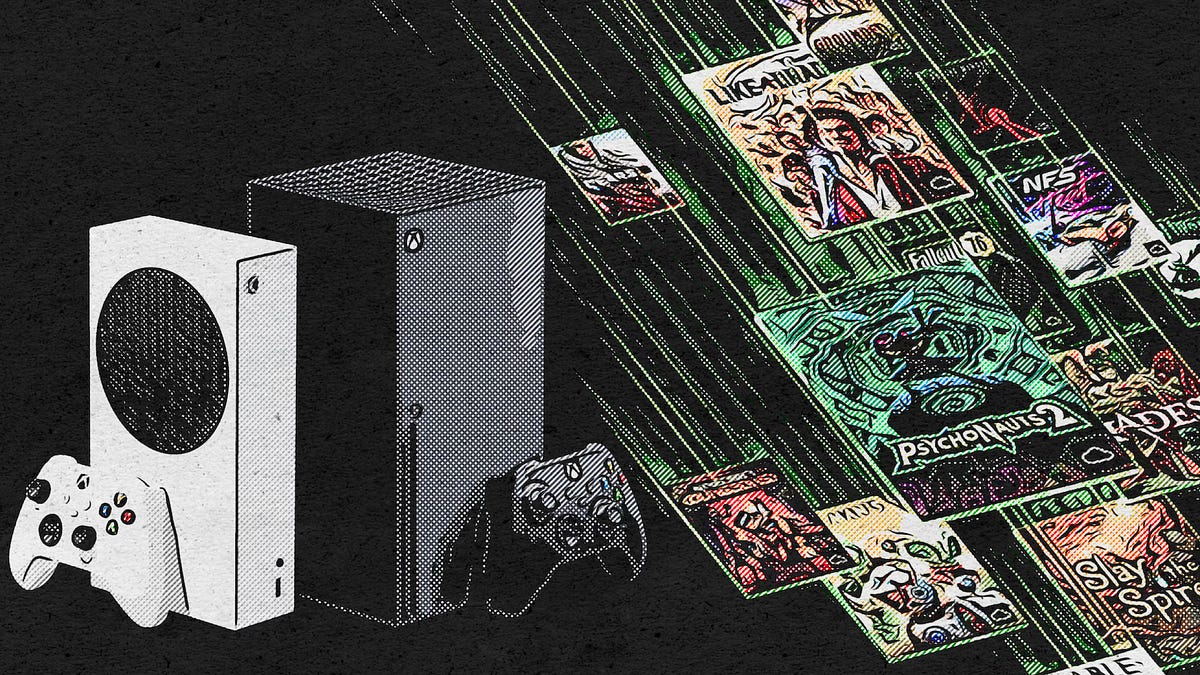
Memory prices increased by up to 400% in a year.
AI-driven data center demand is squeezing consumer electronics. This is making gaming hardware less accessible.
Investor scrutiny
Google's Project Genie demo caused a sell-off of game makers' shares.
Investors became skeptical about the value of traditional game development. This heightened scrutiny of game development.
Workforce cuts
Pure-play game makers reduced headcount by 7.2% from 2022 to 2025.
Major companies like Xbox, Sony, Ubisoft, Square Enix, and Perfect World experienced significant layoffs. The gaming industry workforce is shrinking.
Public vs private
Publicly traded gaming companies are cutting jobs and forsaking long-term innovation.
Driven by short-term financial expectations and investor pressure for margin growth, they are cutting jobs. They are forsaking long-term innovation and talent investment.
Talent focus
Organizational flexibility and a focus on talent distinguish successful firms.
Firms like Id Software, Valve, Nexon, Riot Games, Supercell, CD Projekt, Take-Two, and Nintendo focus on talent. Nintendo raised employee salaries by 10% despite industry trends.
Distribution innovation
The industry is shifting towards distribution innovation and creator economies.
Epic Games focuses on Fortnite's creator tools and cross-game, portable content. This happens rather than relying on larger production budgets.
- 01Distribution innovationShifting towards new ways to reach audiences
- 02Creator economiesFocusing on user-generated content and creator tools
- 03Sustainable communitiesBuilding sustained relationships between players and games
Private advantage
Privately held firms are gaining a competitive advantage by accepting lower margins.
They are growing headcount while publicly traded counterparts downsize. This enables them to foster sustained relationships between players and games.
1 / 7
Ask AI about this report
Summary
The article argues that artificial intelligence is driving up costs across the gaming ecosystem, from hardware to talent and publishing. It cites recent price hikes by Xbox and Apple as evidence that AI‑driven data center demand is squeezing consumer electronics, with memory prices surging 400 % and a projected disappearance of sub‑$500 PCs by 2028. The piece highlights how AI tools such as Google’s Project Genie have heightened investor scrutiny of game development, leading to share price volatility and a reassessment of the value of human creativity. Workforce impacts are quantified: pure‑play studios have cut headcount by 7.2 % between 2022 and 2025, while major publishers like Ubisoft, Square Enix, and Perfect World have laid off thousands of employees. The analysis contrasts publicly traded firms that prioritize short‑term margins with privately held studios that maintain flexibility and invest in talent, noting that the latter are better positioned to innovate under financial pressure. The article concludes that AI is not merely a cost driver but also a catalyst for distribution innovation, urging the industry to focus on new ways to reach audiences and build sustainable communities rather than relying on larger production budgets. The discussion is framed within the broader context of the global gaming market, with a focus on North American consumer behavior and industry trends up to mid‑2026.
Cite this report
Citation
Generating citation…