1 free read left. Create a free account for unlimited reading + AI research.
Create free accountWhitepaper DiGRA
1 free read left. Create a free account for unlimited reading + AI research.
Create free accountWhitepaperDiGRA
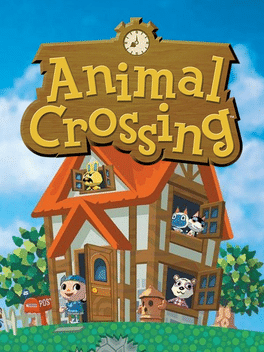
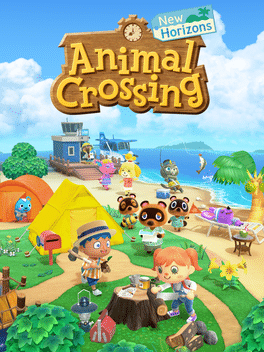
The study examined 135 players of Animal Crossing: New Horizons during the COVID-19 pandemic, a period of isolation and stress.
A study of 135 players of Animal Crossing: New Horizons during the COVID-19 pandemic examines why people turned to this social video game during a period of isolation and stress. Using an open-ended online survey and thematic analysis, the research identifies four principal motivations: social support, freedom and control, escapism, and a sense of achievement, with social motivation the most frequently coded theme at 314 references. Players described emotional bonds with in-game villagers, including one grieving participant who found comfort in those interactions, as well as valuing the ability to set their own pace without penalty and to maintain a daily routine.
The findings are framed through recovery-experience frameworks, including psychological detachment, relaxation, mastery, and control during leisure, and draw on emotion-focused coping and parasocial relationship theory. The authors argue that the game's low-stakes pacing, real-time setting, absence of competition, and cozy, self-expressive design helped offset pandemic-era isolation, particularly through non-player character interactions and online communities.
The study also documents notable limitations. Restricted in-game communication, especially the controller-based chat, was frequently cited as frustrating, and 51 of the 135 participants (about 38%) described some form of strife, most often miscommunication or deviant behavior such as trade scams and trolling.
The scope is limited to a single game, a relatively small sample, and a qualitative design, and the discussion section reports no quantitative data points. The authors' central practical proposal is that these experiential design elements could inform how recommendation systems and game metadata are organized to help users find games that support mental health and well-being.
Each row is a game or company this document names, each column a document, oldest first. A mark means that document names it. Select a row to see those documents.

DiGRA · 2026

DiGRA · 2026



DiGRA · 2026



DiGRA · 2026



DiGRA · 2026



DiGRA · 2026



DiGRA · 2026



DiGRA · 2026

DiGRA · 2026



DiGRA · 2026



DiGRA · 2026

DiGRA · 2026
DiGRA · 2005