1 free read left. Create a free account for unlimited reading + AI research.
Create free accountWhitepaper DiGRA
1 free read left. Create a free account for unlimited reading + AI research.
Create free accountWhitepaperDiGRA
The author frames the series within a lineage of casual games and analog doll play coded as feminine. The argument centres on how emotional management is required of players.
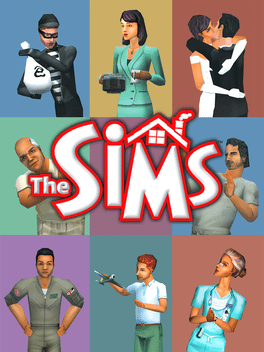
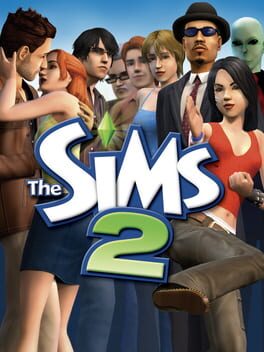
This paper, presented at DiGRA 2026, examines how The Sims series, particularly The Sims 4 (2014), has evolved to require increasingly complex emotional management from players, and argues that this design reinstates a patriarchal feminization of emotion work. Drawing on an intersectional feminist framework, the analysis situates the series within a longer lineage of casual games and analog doll play that have been coded as feminine and historically aimed at teaching girls domestic and caregiving roles. The central claim is that The Sims 4's moodlet system, which assigns positive and negative emotional effects to social interactions, objects, and life events, materializes Sara Ahmed's concept of "happiness scripts" and encodes specific ideological expectations about what constitutes happiness.
The paper's key argument concerns the tension between the game's apparent inclusivity and its underlying design. Emotion work is quantified and rendered visible through the moodlet system and a satisfaction-point reward structure, which the author contrasts with the way patriarchal systems typically render women's emotional labor invisible. Yet every Sim is presented as undertaking equal emotional labor and as free to pursue any happiness script, with barriers framed as player-selected personality traits rather than simulated systemic forces such as sexism, racism, or homophobia. The author argues this produces a representational "window dressing" that obscures real-world inequality while still hailing the female or feminized player to perform the affective labor that sustains the game's utopia.
The analysis is primarily theoretical and textual rather than empirical, drawing on a close reading of the game's mechanics and an extensive body of scholarship on affective labor, emotional labor, game studies, and modding culture. The paper acknowledges player resistance, including subversive play and extensive mod communities, but maintains that the official design itself reproduces gendered expectations across the series' evolution.
DiGRA · 2026
DiGRA · 2005