1 free read left. Create a free account for unlimited reading + AI research.
Create free accountWhitepaper DiGRA
1 free read left. Create a free account for unlimited reading + AI research.
Create free accountWhitepaperDiGRA
The paper proposes the 'narrative mindset' and social schemas as a more useful framework for understanding player motivation than a strict ludology-versus-narratology divide.
Satu Heliö's paper, presented at the DiGRA 2005 conference, addresses the long-running ludology versus narratology debate in game studies by proposing that the "narrative mindset" and social schemas offer a more useful framework for understanding player motivation than a strict divide between stories and games. Heliö contends that games are structurally non-narrative, yet players and designers persistently seek narrative experiences, and that this desire is rooted in human cognition, drawing on cognitive psychology research into narrative schemas and scripts. The central argument is that narrativization is a deeply embedded human tendency, and certain game forms amplify it.
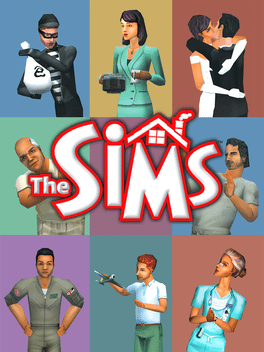
The paper identifies role-playing games and simulations, specifically The Sims (2000) and The Sims 2 (2004), as "borderline cases" in Jesper Juul's taxonomy that are especially suited to storytelling. Heliö applies Marie-Laure Ryan's model of narrative, including world, time, characters, and change, to show how the Sims games contain these elements, and she argues that the god-like, external perspective the games employ invites a third-person narrator's interpretive stance. She further maps the games onto Ryan's categories of external-ontological and internal-exploratory interactivity, including soap-opera-style parallel plotlines.
A notable finding concerns the games' photo album and storytelling toolkit features, which the design team reportedly introduced after noticing that players began narrativizing events immediately. Heliö observes that the process of playing, capturing, editing, and publishing mirrors the classic structure of storytelling, though she ultimately concludes that this does not make the games stories in themselves. The analysis is primarily theoretical and qualitative, drawing on narratological and ludological literature rather than empirical player data, and it offers no survey sample or quantitative measures.
Each row is a game or company this document names, each column a document, oldest first. A mark means that document names it. Select a row to see those documents.
DiGRA · 2016
DiGRA · 2016
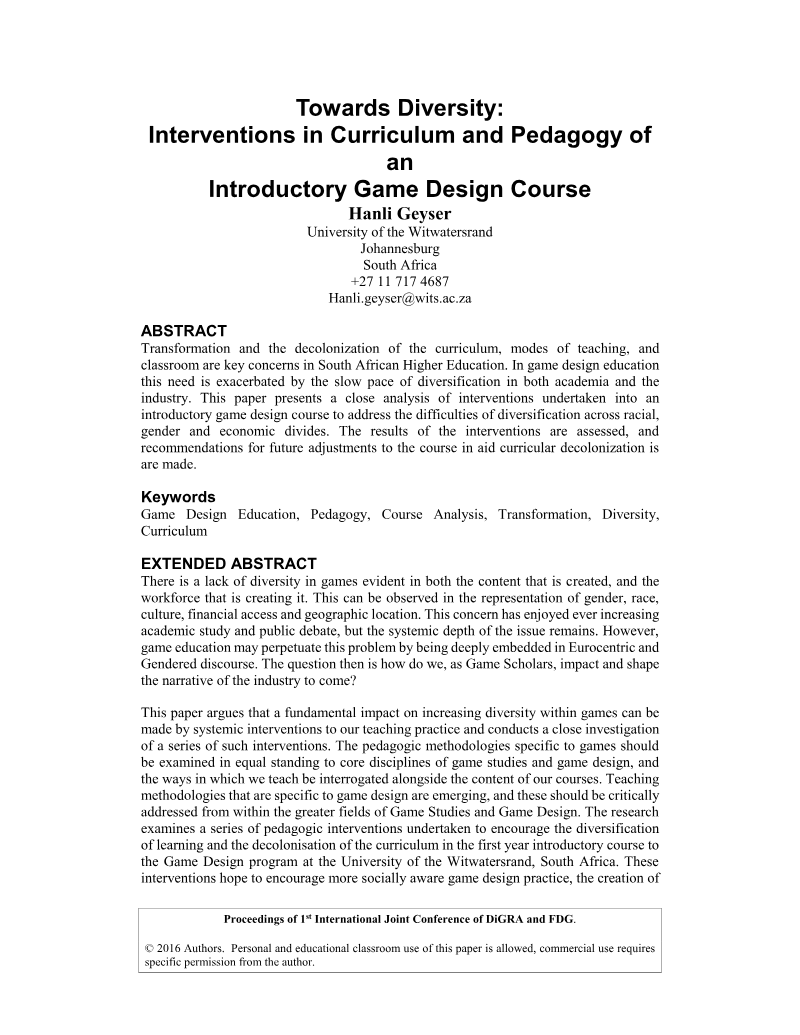
DiGRA · 2016
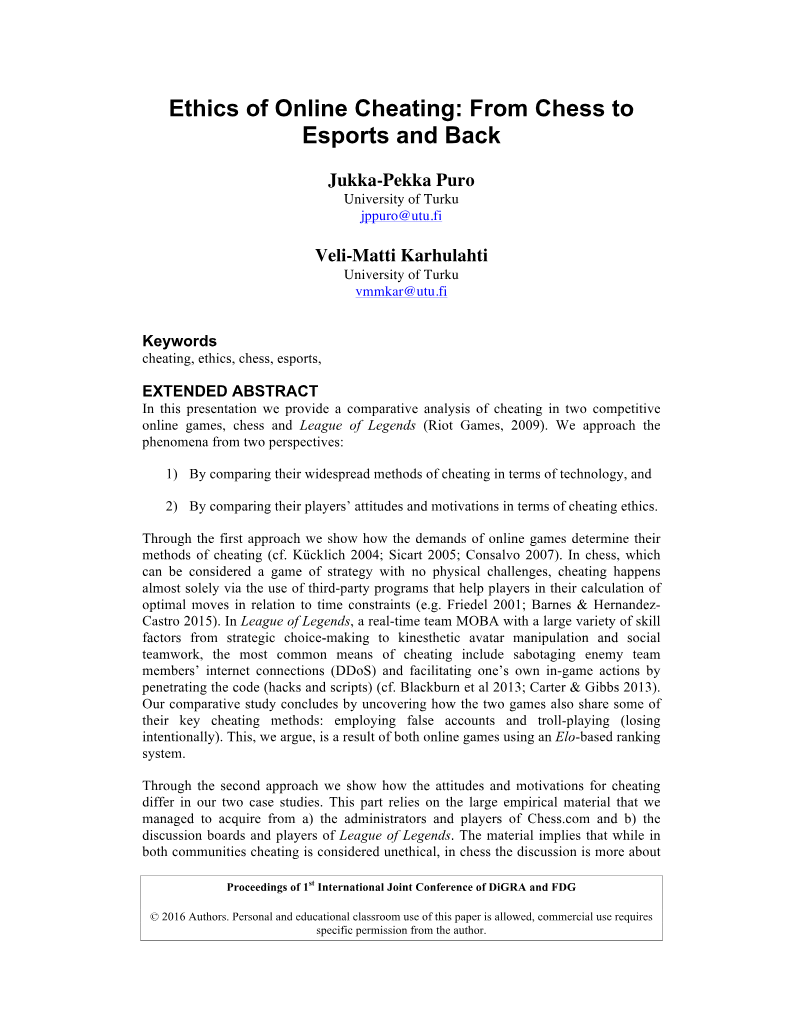
DiGRA · 2016
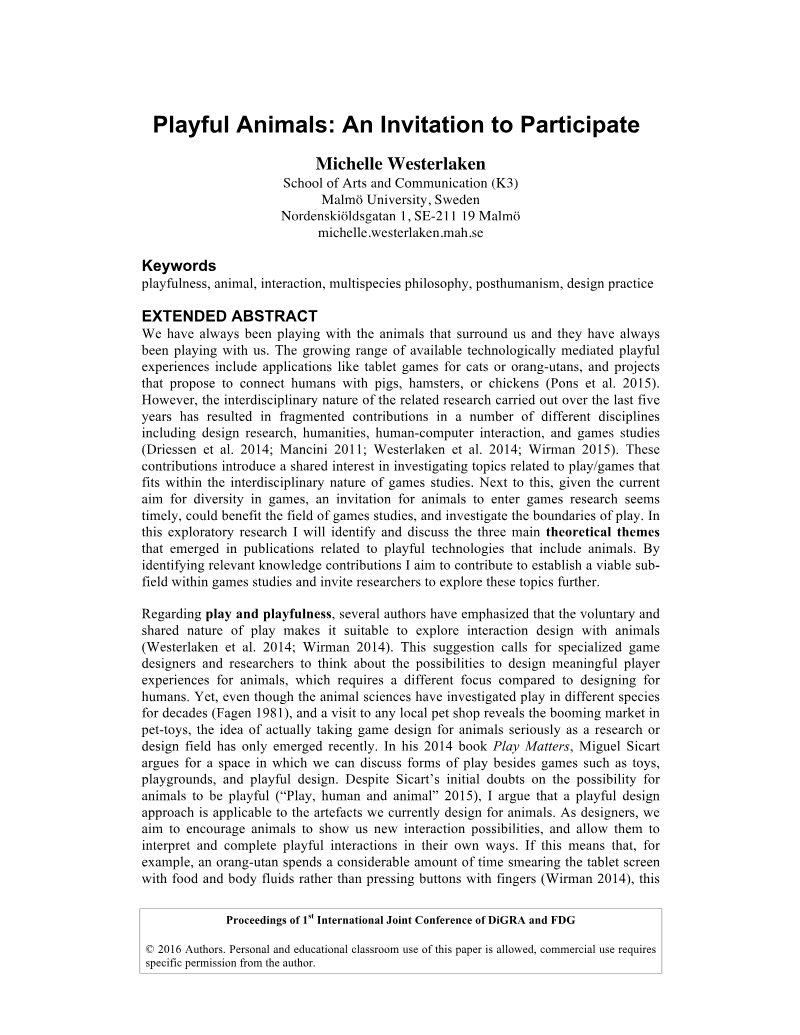
DiGRA · 2016
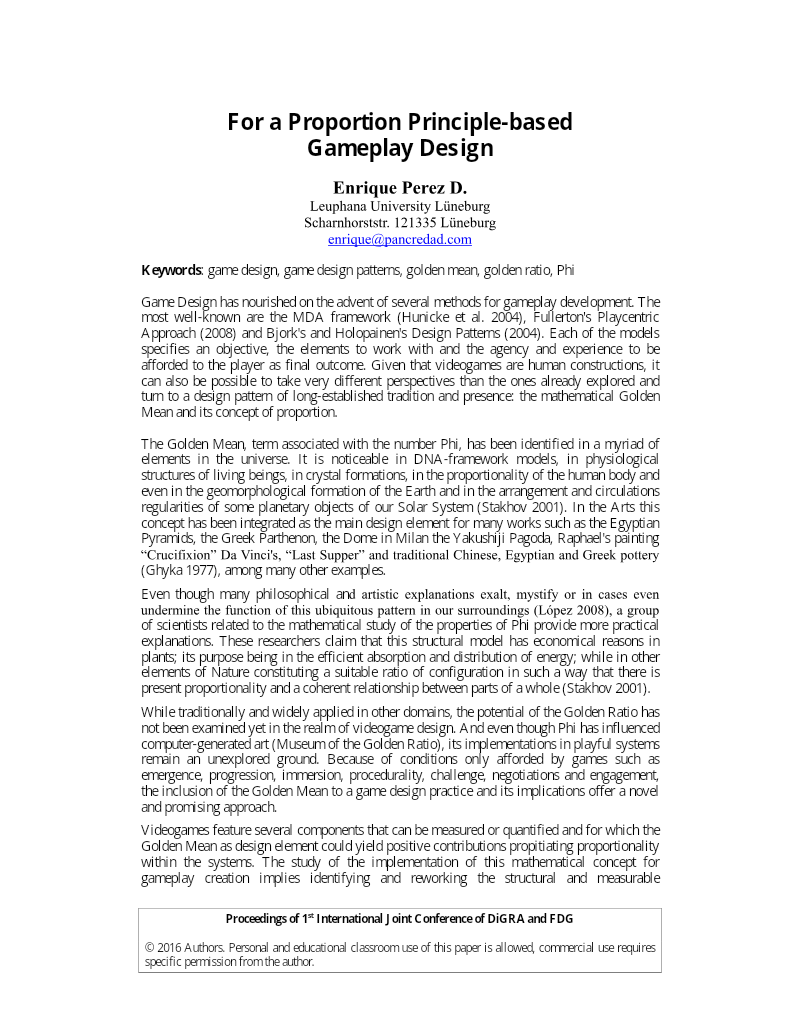
DiGRA · 2016
DiGRA · 2016
DiGRA · 2016
DiGRA · 2016
DiGRA · 2016
DiGRA · 2016
DiGRA · 2016
Deconstructor of Fun · 2025