1 free read left. Create a free account for unlimited reading + AI research.
Create free accountArticle The Game Business
1 free read left. Create a free account for unlimited reading + AI research.
Create free accountArticleThe Game Business
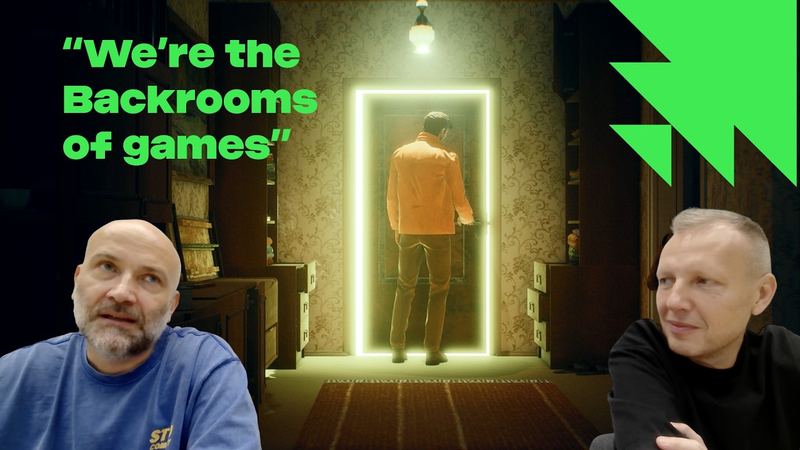
Ru Weerasuriya, co-founder of the former studio Ready at Dawn, reflects on his career trajectory, the closure of his previous company under Meta, and the launch of his new venture, Atlantis Studio. The core thesis posits that the video game industry is currently hindered by an over-reliance on rigid business models and a lack of creative risk-taking, particularly within the virtual reality sector. Weerasuriya argues that long-term innovation must prioritize gameplay and creative vision over short-term financial mandates.
The narrative details Ready at Dawn’s history, from its early success developing hit titles for the PlayStation Portable to the mixed reception of its original IP, The Order: 1886. Weerasuriya notes that the studio’s subsequent pivot to VR and its eventual acquisition by Meta in 2020 ultimately failed due to a lack of strategic alignment regarding long-term innovation. Following the studio's closure, Weerasuriya transitioned to his new France-based studio, Atlantis, which aims to maintain a small, agile team of 25 to 30 people. This model is designed to mitigate the high costs associated with traditional AAA development and allow for greater creative freedom.
The analysis highlights a shift in the industry landscape, noting that securing publisher support has become significantly more difficult than it was during the early 2000s. Weerasuriya emphasizes that the VR market remains a viable, high-potential medium, provided developers move beyond current market demands to explore untapped technological possibilities. Atlantis Studio intends to focus on impactful, mid-budget projects, prioritizing team-driven ideas and gameplay quality over the imposition of external business models like season passes or service-based monetization.
The Game Business · 2026
The Game Business · 2026
The Game Business · 2026
The Game Business · 2026
The Game Business · 2026
The Game Business · 2026
The Game Business · 2026
The Game Business · 2026
The Game Business · 2026
The Game Business · 2026
The Game Business · 2026
The Game Business · 2026
Develop:Brighton · 2025