
The gaming industry is currently facing a significant hardware pricing crisis driven by a structural surge in memory costs. As of early 2026, the global demand for high-margin HBM memory in AI data centers has severely constrained the supply of consumer-grade DRAM and NAND, with spot prices for DDR5 and TLC NAND reaching levels several times higher than previous cyclical peaks. This supply-side pressure is forcing major hardware manufacturers to reevaluate pricing strategies and, in some cases, pivot away from traditional console development toward digital services.
Valve, in particular, has been forced to delay finalizing the pricing and shipping schedule for its upcoming Steam Machine. Originally positioned as a console-competitive device, the Steam Machine now faces potential retail price increases of $50 to $100 or more per model to account for these component costs. Similarly, Nintendo is experiencing margin compression on its Switch 2 hardware, where rising LPDDR5X memory costs have reduced hardware margins from 18 percent to approximately 13.5 percent. These challenges are compounded by broader geopolitical factors, including global trade volatility and tariffs.
The industry is responding to these pressures through strategic shifts, such as Nintendo’s reliance on domestic markets and Microsoft’s move to prioritize digital services over hardware exposure. For Valve, the challenge is maintaining the Steam Machine’s value proposition as a console-convenience device while navigating a market where component costs are no longer self-correcting. The current environment suggests a long-term transition in the console sector, where legacy firms may increasingly outsource hardware production or shift their business models to mitigate the risks associated with volatile component supply chains.

SuperJoost · 2026
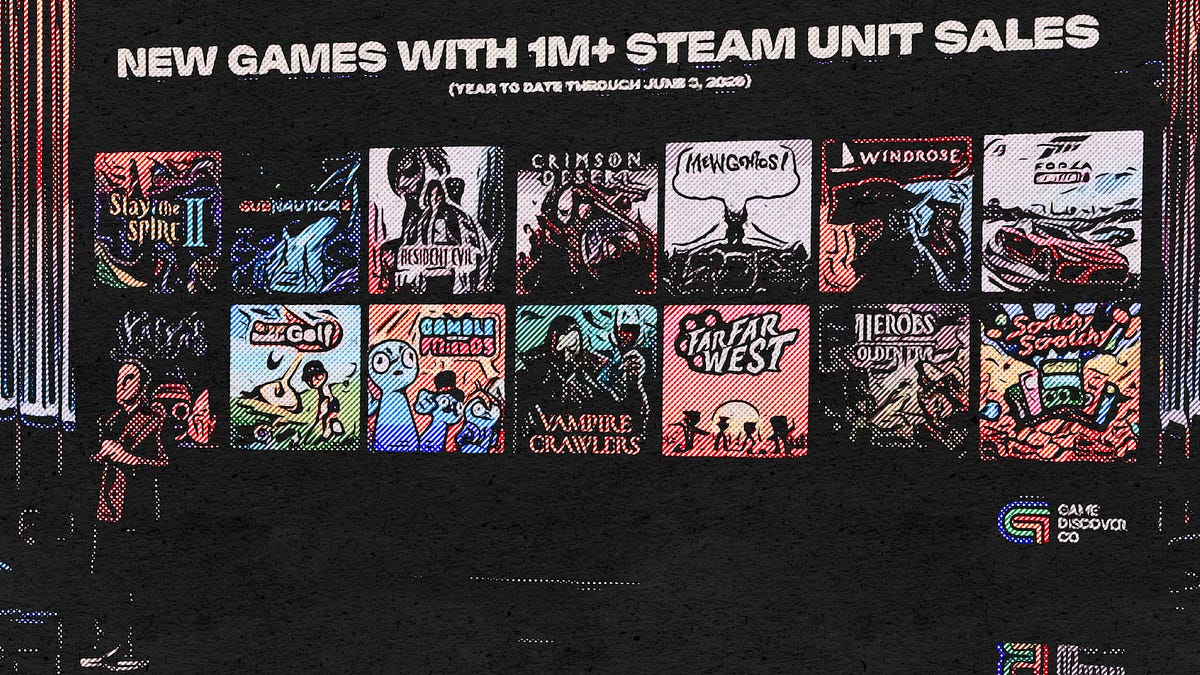
SuperJoost · 2026

SuperJoost · 2026

SuperJoost · 2026

SuperJoost · 2026
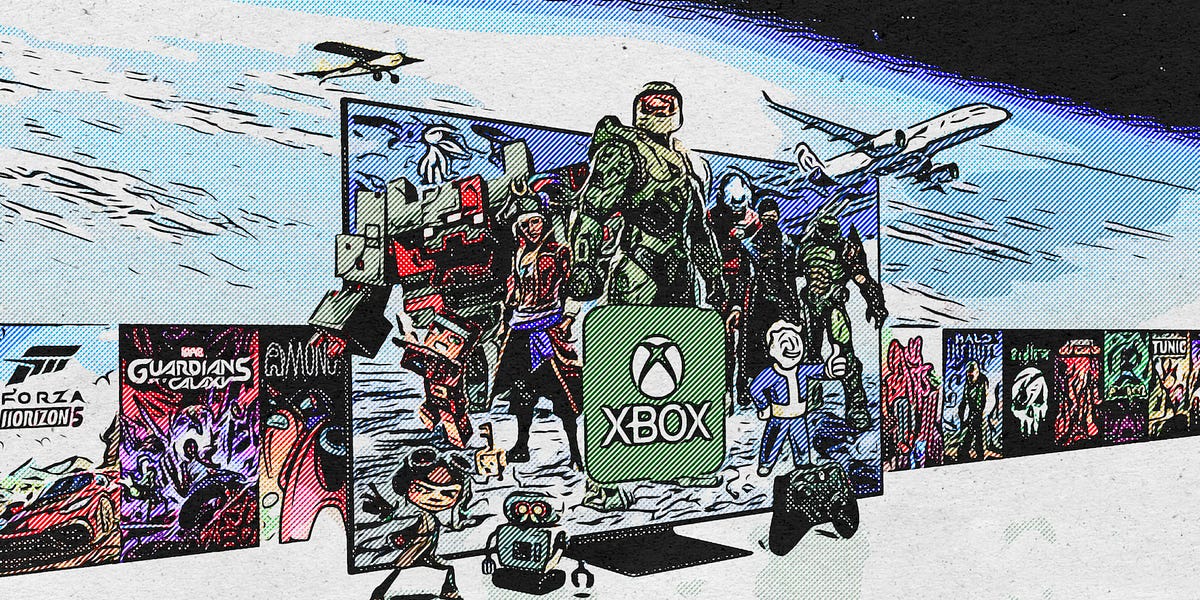
SuperJoost · 2026
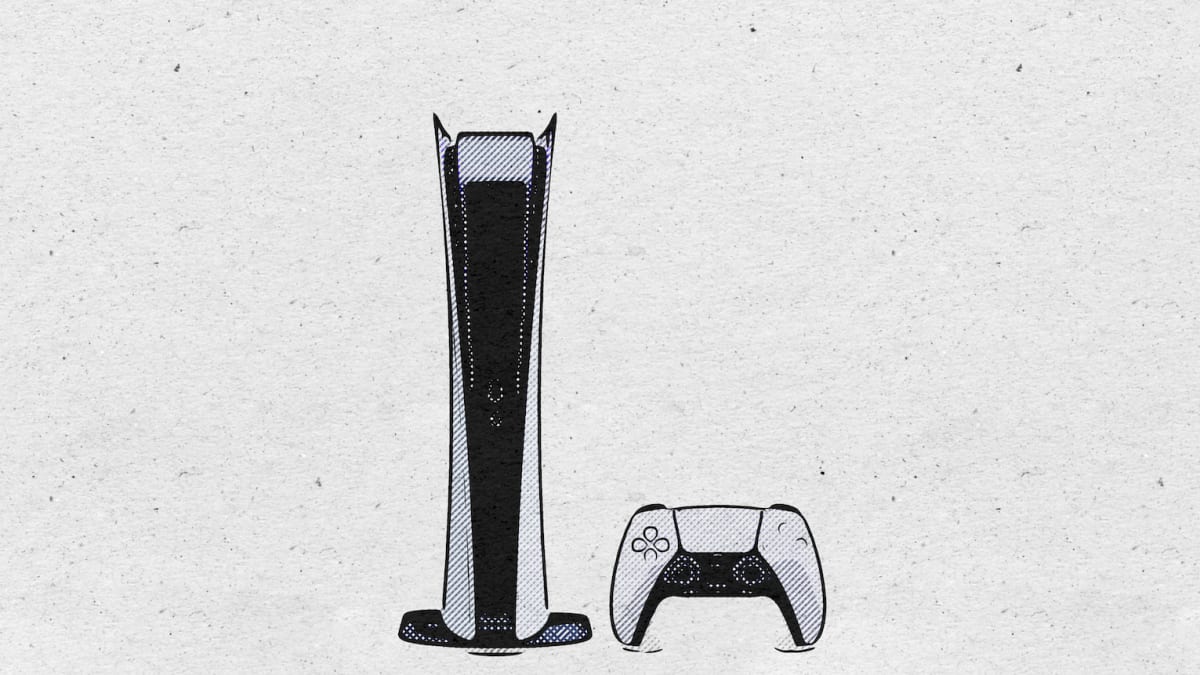
SuperJoost · 2026

SuperJoost · 2026

SuperJoost · 2026

SuperJoost · 2026
SuperJoost · 2026
SuperJoost · 2026
Rokky · 2025

VG Insights · 2025

Video Game Insights · 2025
Video Game Insights · 2025
PlayWay · 2018

Ubisoft · 2026
GameAnalytics · 2026
Newzoo · 2026
Newzoo · 2026
Aream & Co · 2026
Epyllion · 2026
Epyllion · 2026