1 free read left. Create a free account for unlimited reading + AI research.
Create free accountWhitepaper DiGRA
1 free read left. Create a free account for unlimited reading + AI research.
Create free accountWhitepaperDiGRA
The paper argues that these shops are ephemeral, queer third places where D&D community is built and identities are performed and reshaped.
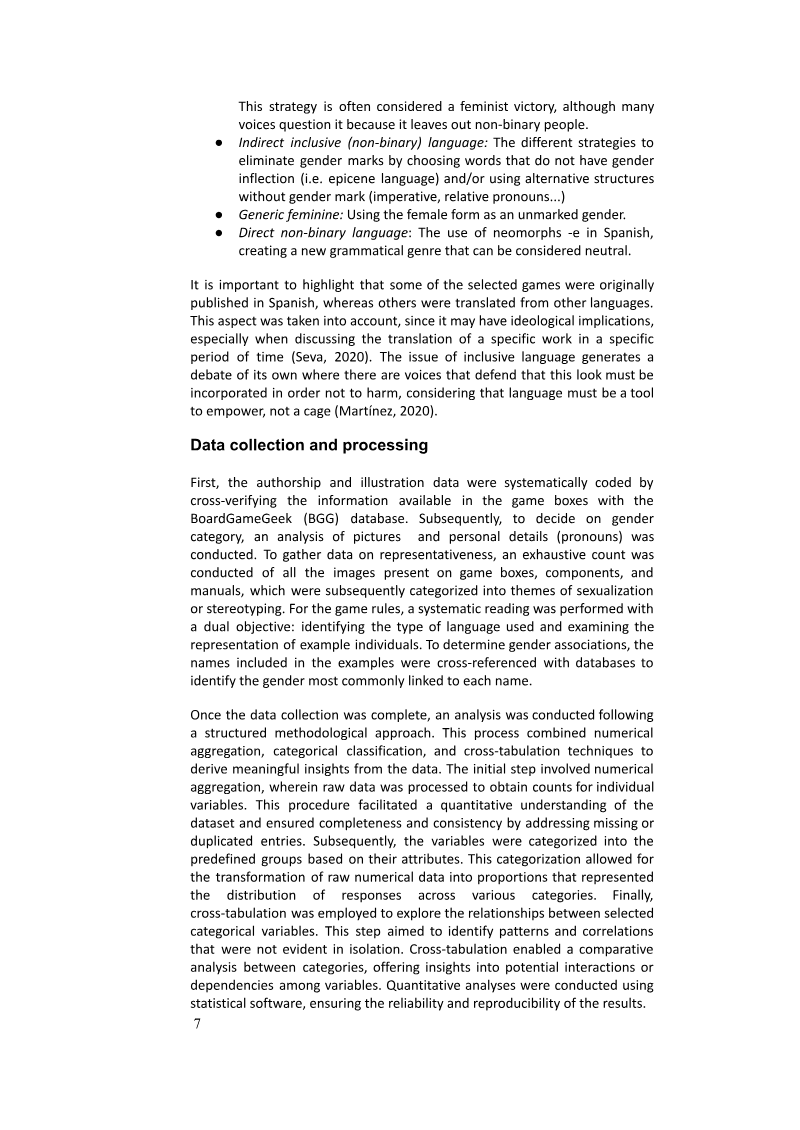
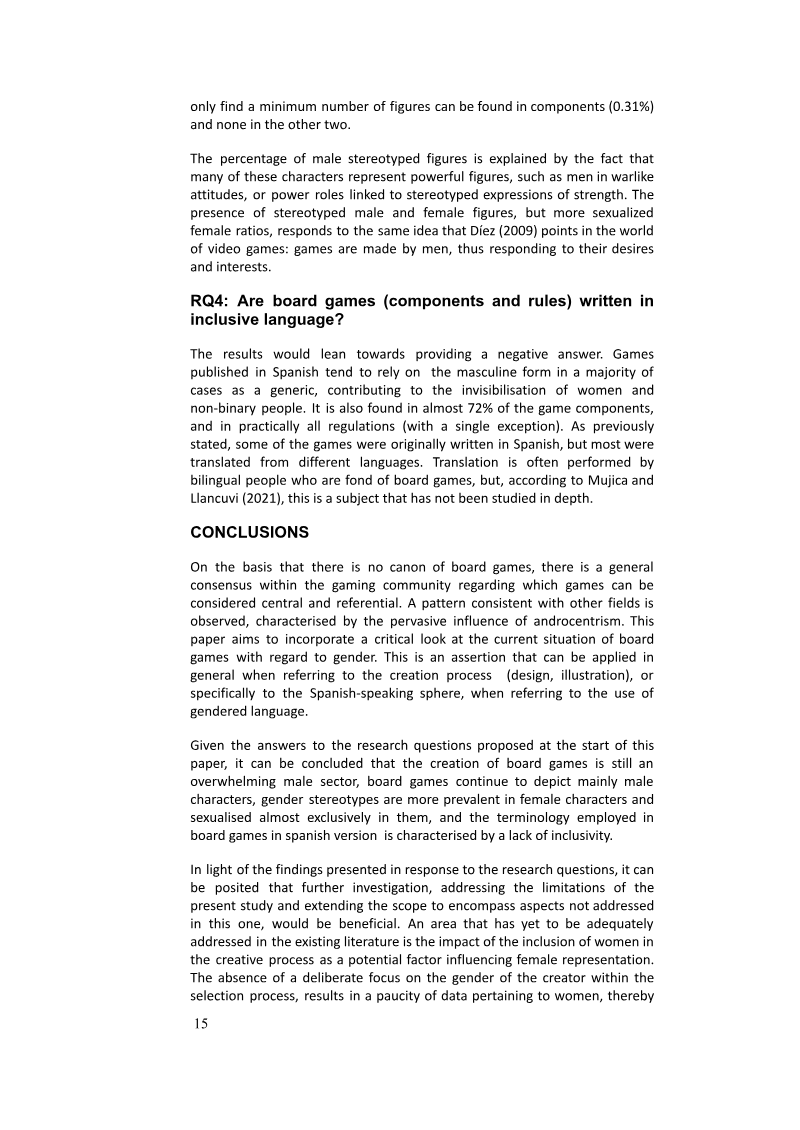
This paper is an ethnographic study of Dungeons & Dragons play at Friendly Local Game Stores (FLGS) in the United States, arguing that these shops function as ephemeral, queer "third places" where community is built and identities are performed and reshaped. The author, drawing on her earlier years working at a game store and a later doctoral-level ethnography, examines how the D&D community has transformed over the past decade and how the FLGS supports or fails to support diverse identities. The central claim is that gender at the game table is understood as performed and play-based, gradually loosening its association with a historically narrow demographic of white, cisgender, middle-class, heterosexual men.
The study's methodology combines grounded ethnography, semistructured interviews, and autoethnography. Fieldwork took place across five game stores in southern California over several years, supplemented by interviews at Gen Con 2024 in Indianapolis with players active in communities throughout the United States. The author participated primarily as a player but frequently served as Dungeon Master, a role that gave her greater influence over inclusive language and table dynamics. The author explicitly acknowledges that these findings cannot be generalized to wider analog game cultures and are limited to U.S. public tabletop roleplaying.
Beyond its central focus on gender, the work identifies several additional themes meriting further study, including whiteness, the scarcity of tangible community, neurodiversity, ephemeral community values, rejection of source material, and digital third spaces. The author observes that the pandemic-era loss of game stores heightened demand for physical gathering spaces, and that changing representation in role-playing games and popular D&D media has drawn new, more diverse players into the community. The paper presents the FLGS as a case study of how an initially exclusive community can actively reshape itself toward inclusion.
Each row is a game or company this document names, each column a document, oldest first. A mark means that document names it. Select a row to see those documents.

DiGRA · 2026

DiGRA · 2026



DiGRA · 2026



DiGRA · 2026



DiGRA · 2026



DiGRA · 2026



DiGRA · 2026



DiGRA · 2026

DiGRA · 2026



DiGRA · 2026



DiGRA · 2026

DiGRA · 2026
DiGRA · 2025