1 free read left. Create a free account for unlimited reading + AI research.
Create free accountWhitepaper DiGRA
1 free read left. Create a free account for unlimited reading + AI research.
Create free accountWhitepaperDiGRA
Rules channel player effort while leaving players autonomy over when and how they exert it.
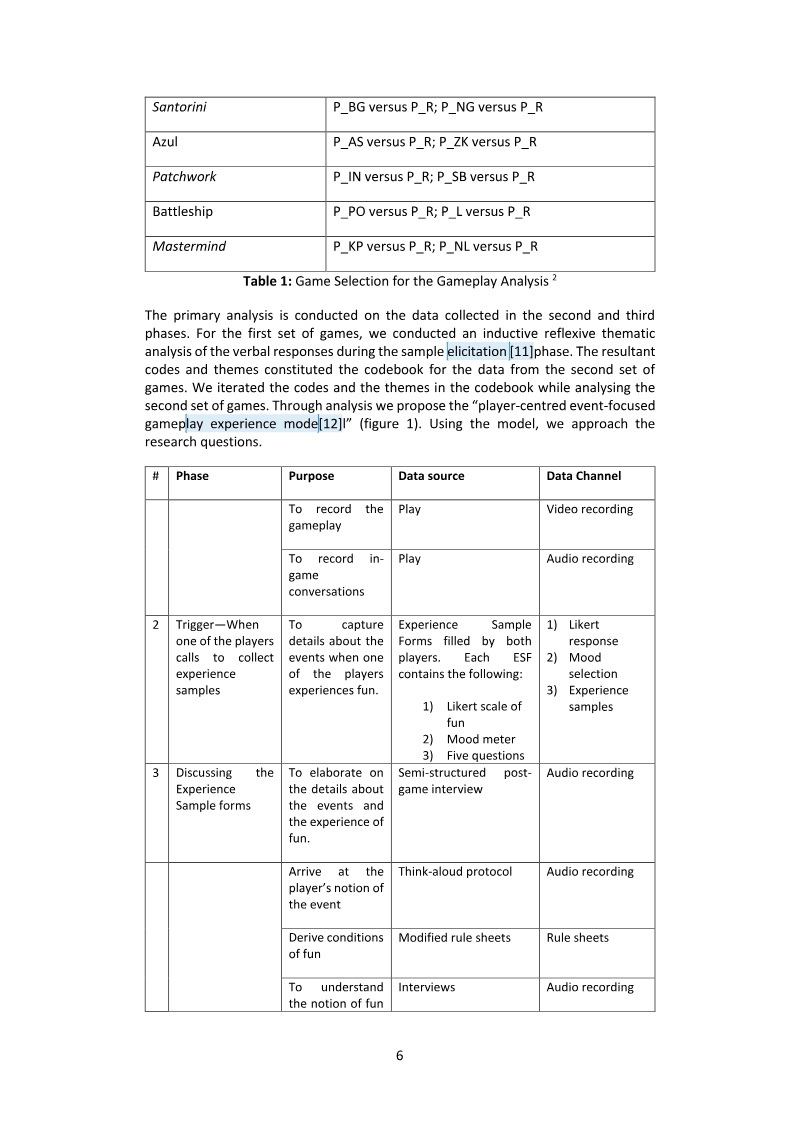
This study, titled "In the Flux: A Constructivist Perspective on Effort and Emotions in Tabletop Games," argues that prior research has largely measured effort in games as an objective quantity while neglecting how players subjectively experience it. The authors reframe effort as a "state of flux" that emerges dynamically through players' interactions with game rules and fluctuates alongside their emotions. Drawing on a constructivist, qualitative approach, the work examines ten tabletop games across genres, with participants aged 18 to 30 who were college students and had not previously played the selected titles. Data were gathered through iterative interviews, focus groups, written reflections, experience sampling, and gameplay sessions.
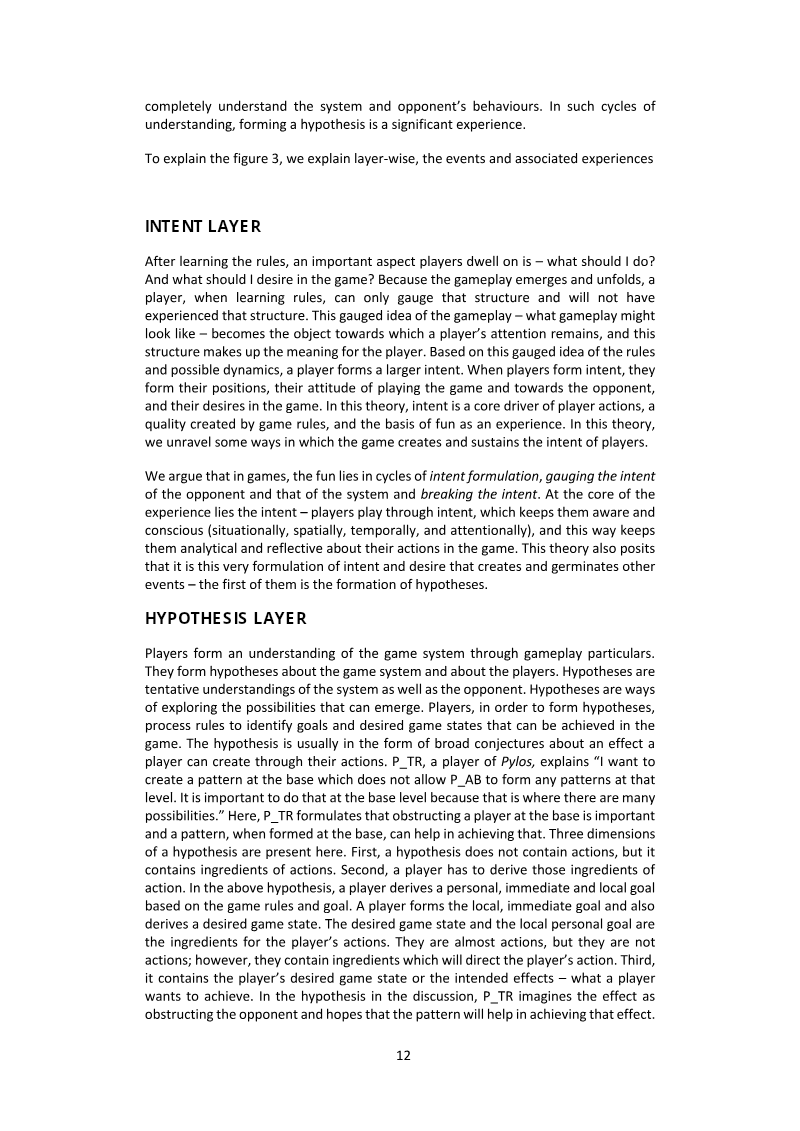
The central findings concern how rules channel player effort while leaving players autonomy over when and how they exert it. Using games such as Fungi, Splendor, and Azul, the authors show that effort is not fixed but shifts in form as play unfolds, moving between strategic and tactical demands and between psychological and logical challenges. Analysis of Hanabi, Codenames, and Azul further demonstrates that logical and psychological effort can coexist and transition within a single session. The authors identify an "effort-emotion concomitance," in which effort and feelings such as resignation, disappointment, or contentment rise and fall together.
The authors acknowledge that their conclusions are interpretive rather than generalizable, given the reliance on self-reported, qualitative data from a limited set of games and a single demographic. They conclude that these dynamic relationships are difficult to capture with existing measurement tools, and they call for new methods that can account for effort as a fluid, experienced phenomenon in tabletop play.

DiGRA · 2026

DiGRA · 2026



DiGRA · 2026



DiGRA · 2026



DiGRA · 2026



DiGRA · 2026



DiGRA · 2026



DiGRA · 2026

DiGRA · 2026



DiGRA · 2026



DiGRA · 2026

DiGRA · 2026
DiGRA · 2025