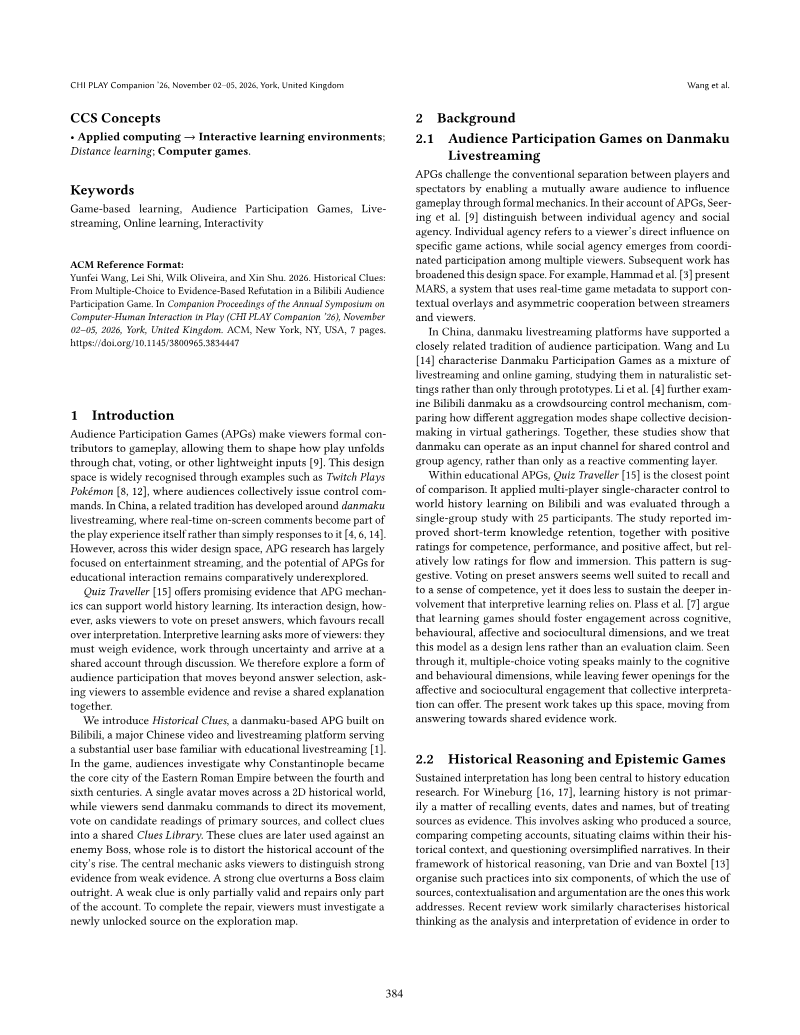
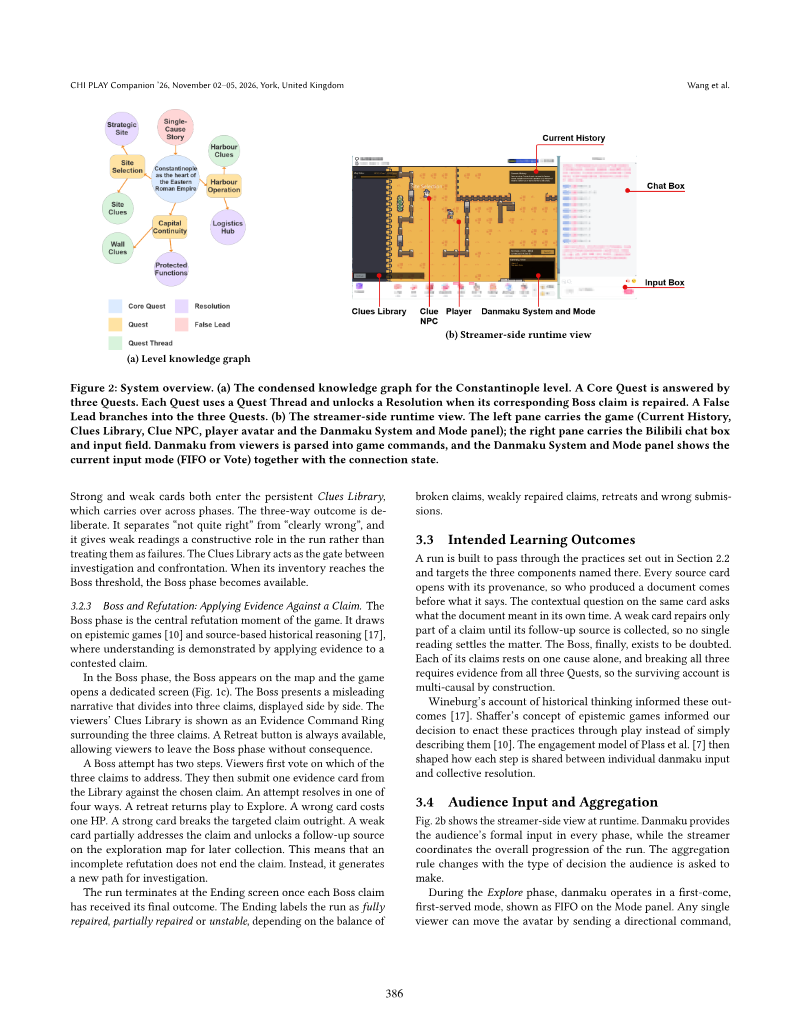
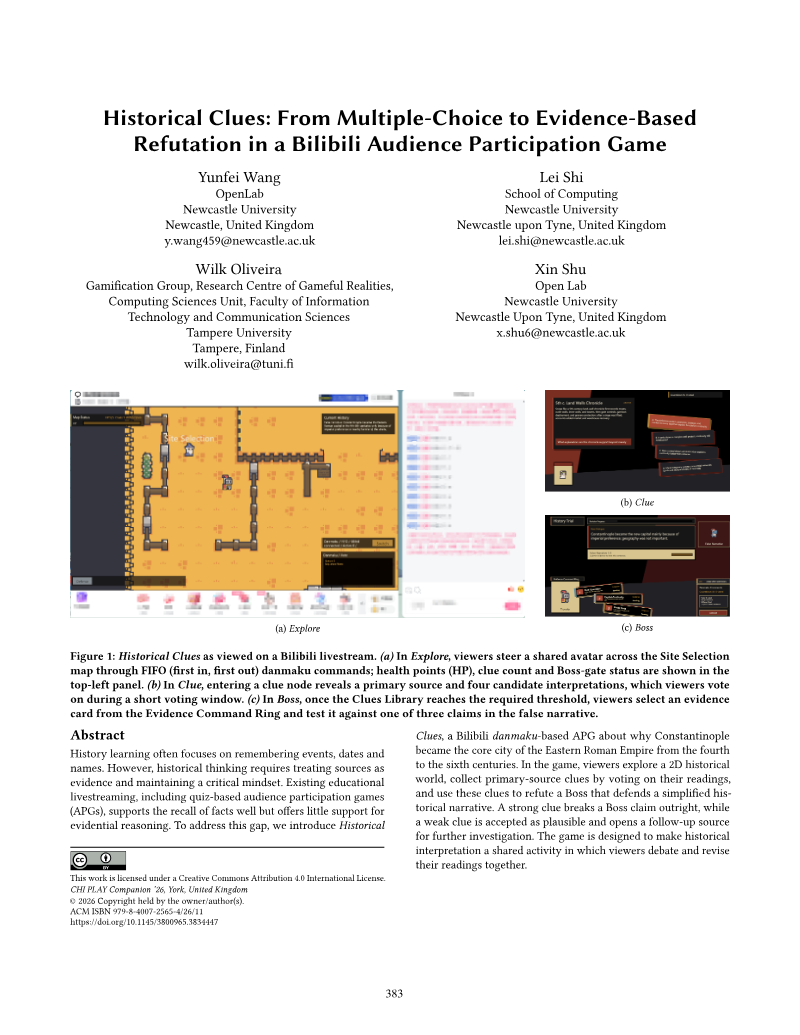
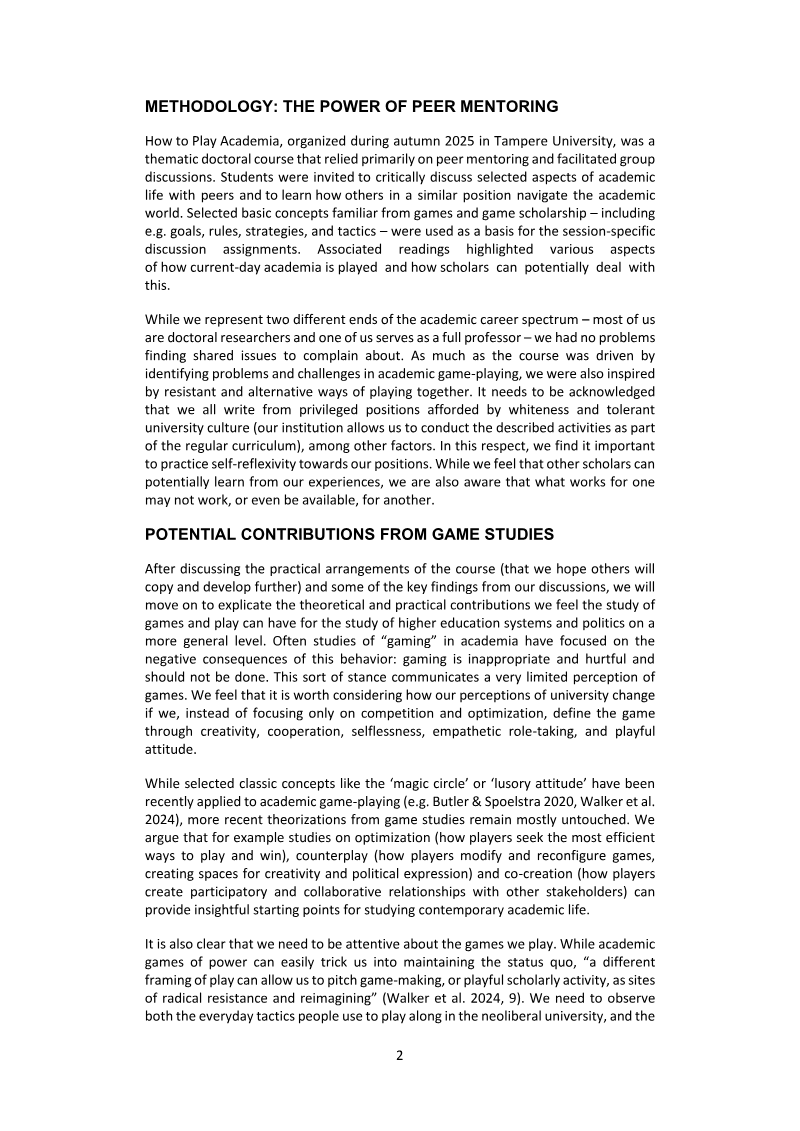
Loading the document
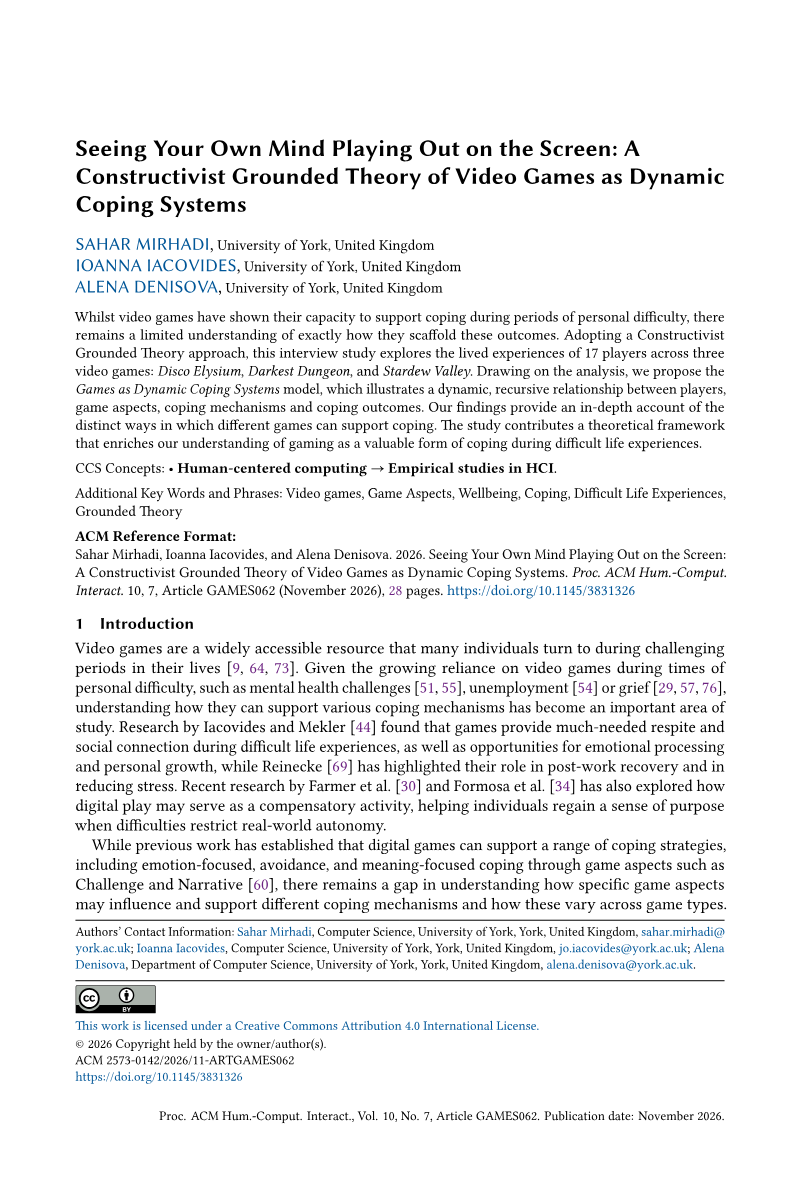
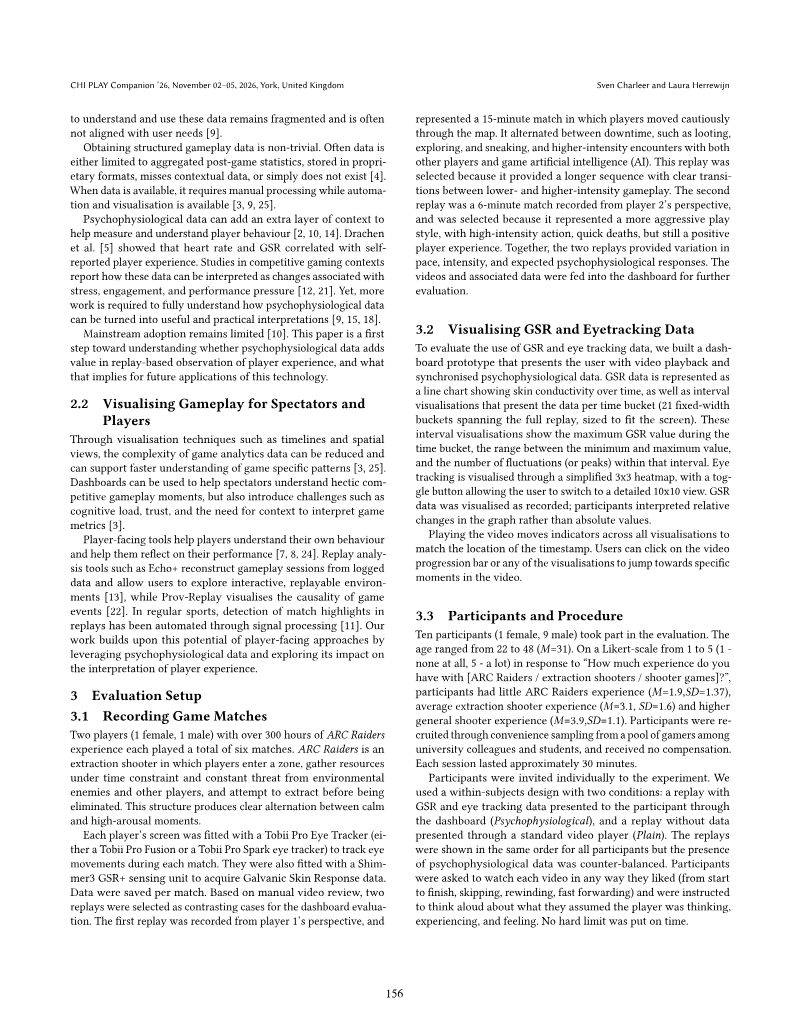
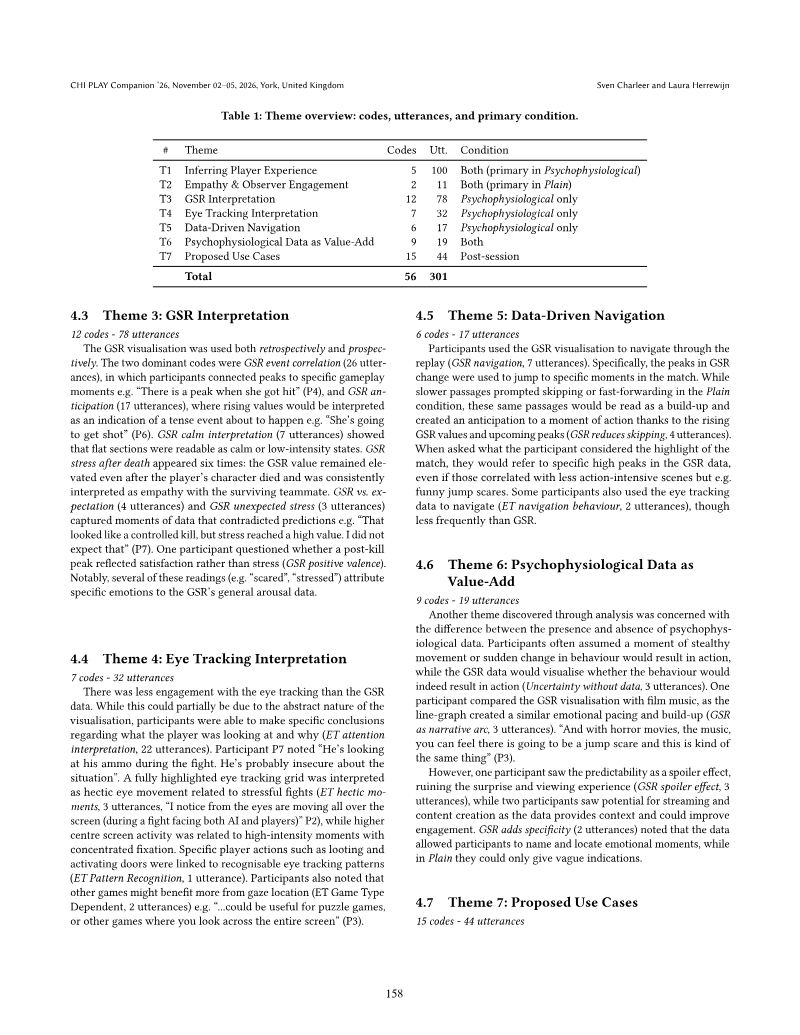
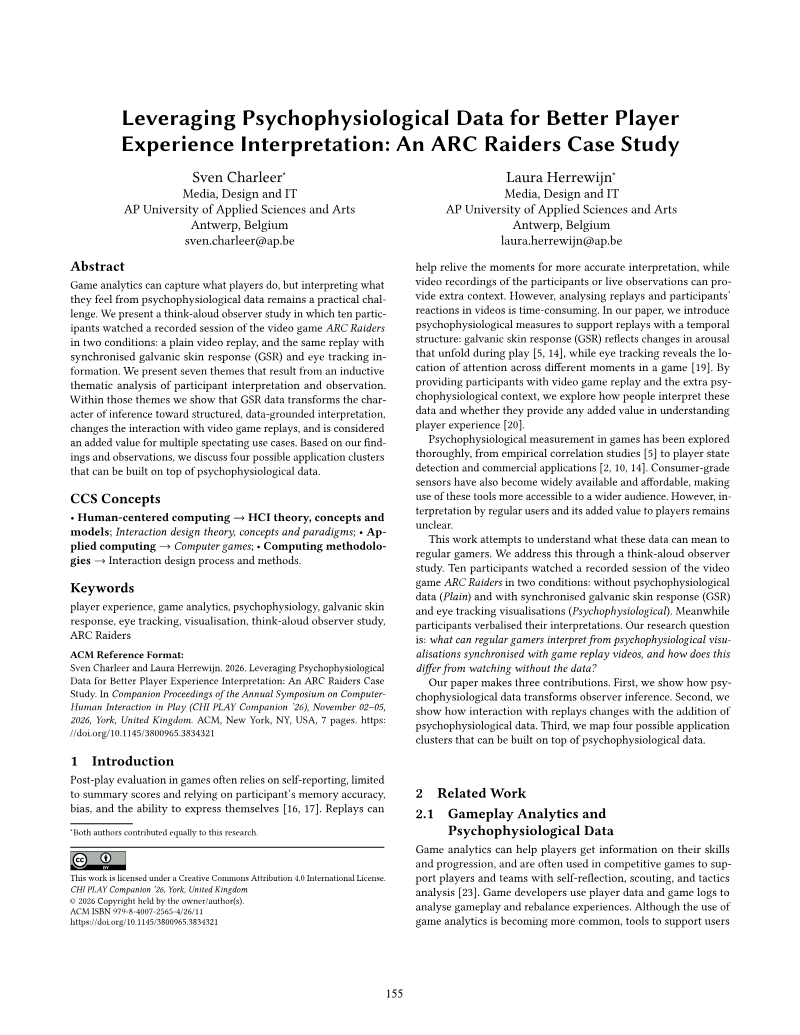
Key insights
5 slides
Universal patterns
Behavioral patterns in competitive gaming are universal across diverse cultures.
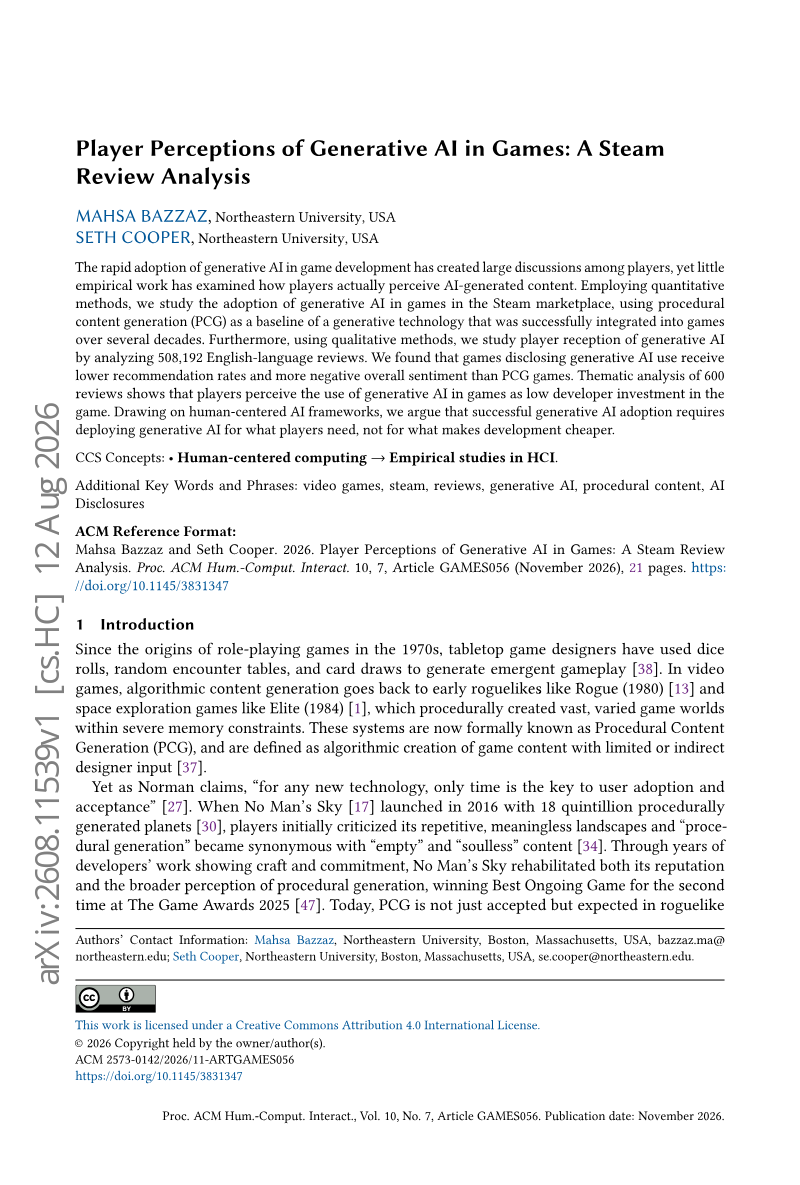
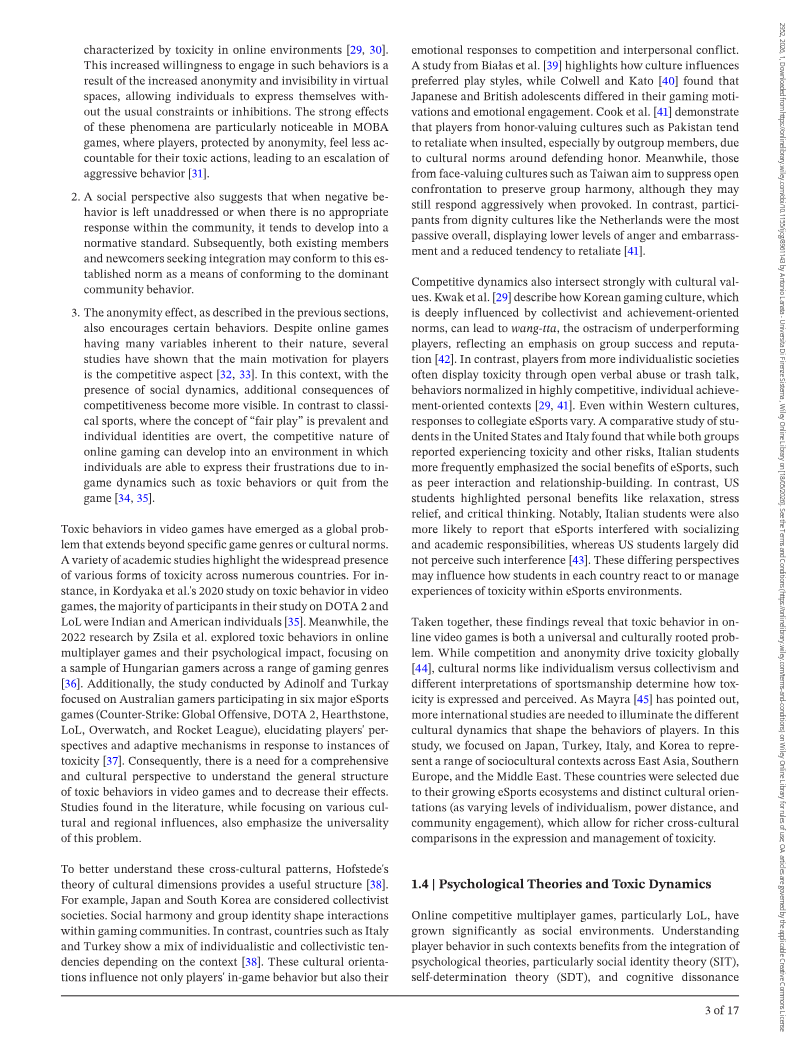
A study of 1,528 participants in Italy, Turkey, Japan, and South Korea confirmed consistent behavioral patterns. These patterns are not culturally contingent.
1 / 5
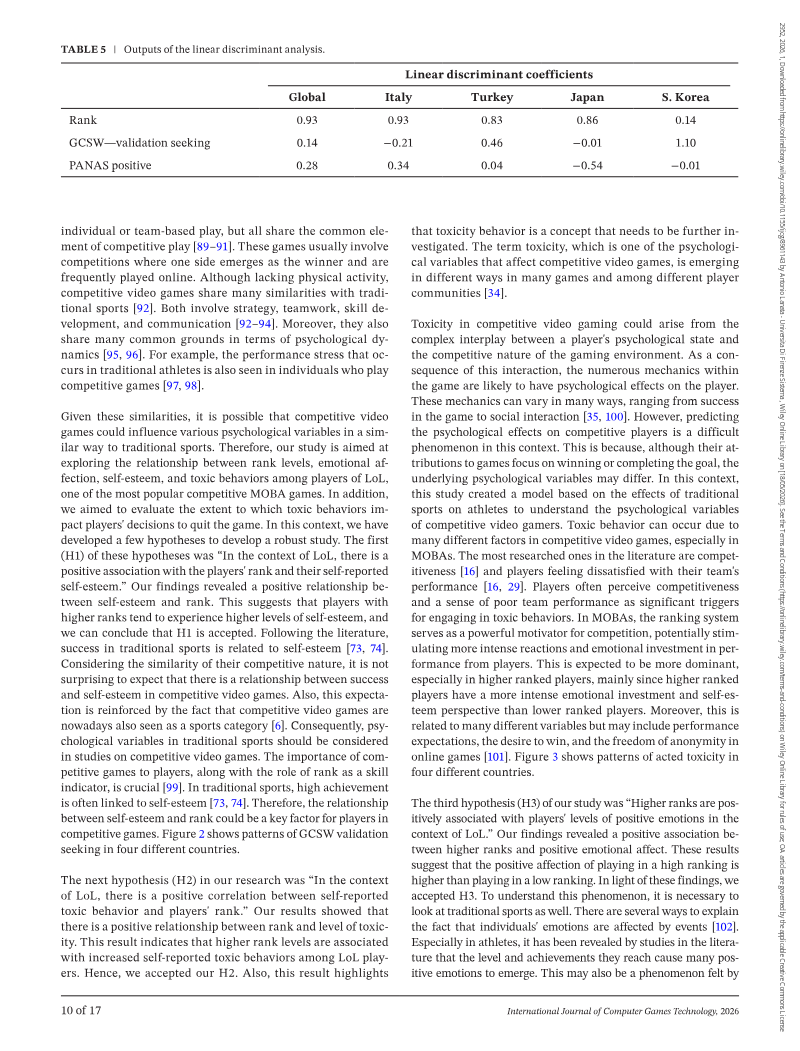
- 01Competitive rank is the most robust predictor of toxic behavior in League of Legends, with high-ranking players utilizing hostility as a defensive mechanism to protect their status.See it on page 6
- 02A study of 1,528 participants across Italy, Turkey, Japan, and South Korea confirms that behavioral patterns in competitive gaming are universal rather than culturally contingent.See it on page 3
- 03Players at the Master tier and above demonstrate high psychological resilience, maintaining a deep commitment to the game despite persistent exposure to toxic environments.See it on page 11
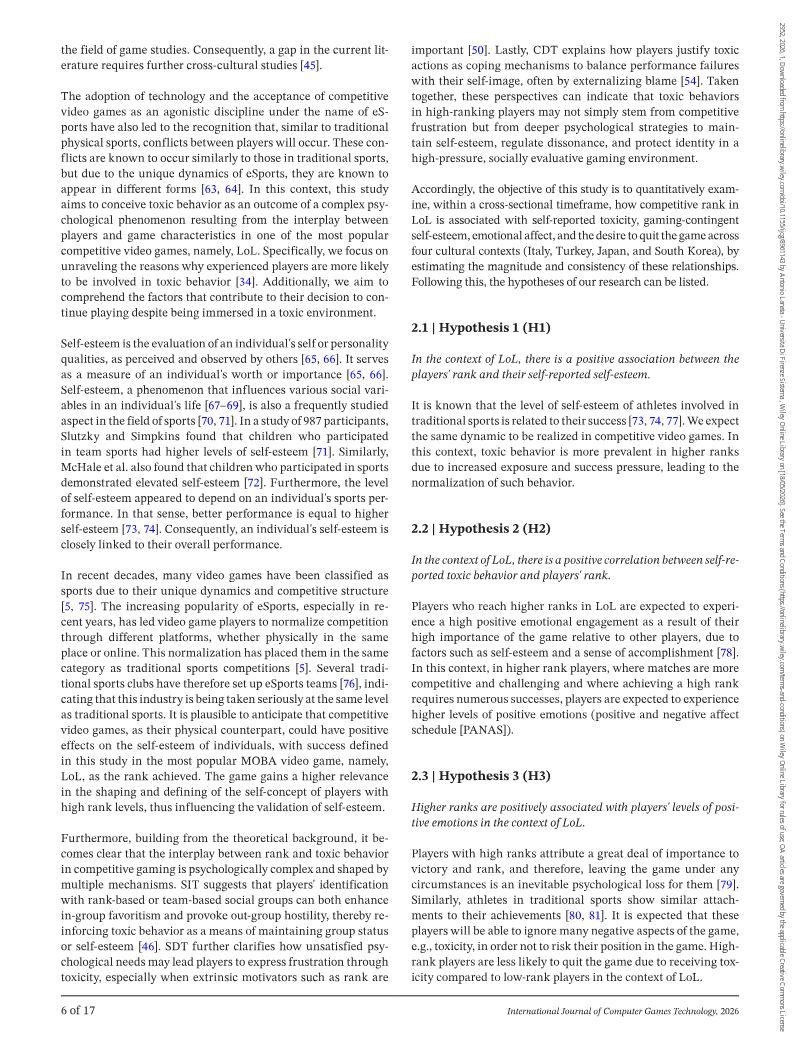
- 04Higher competitive ranks consistently correlate with elevated self-esteem and increased positive emotional affectivity among elite players.See it on page 10
- 05The pursuit of elite status creates a paradox where the primary drivers of player engagement and fulfillment simultaneously foster hostile community environments.See it on page 6
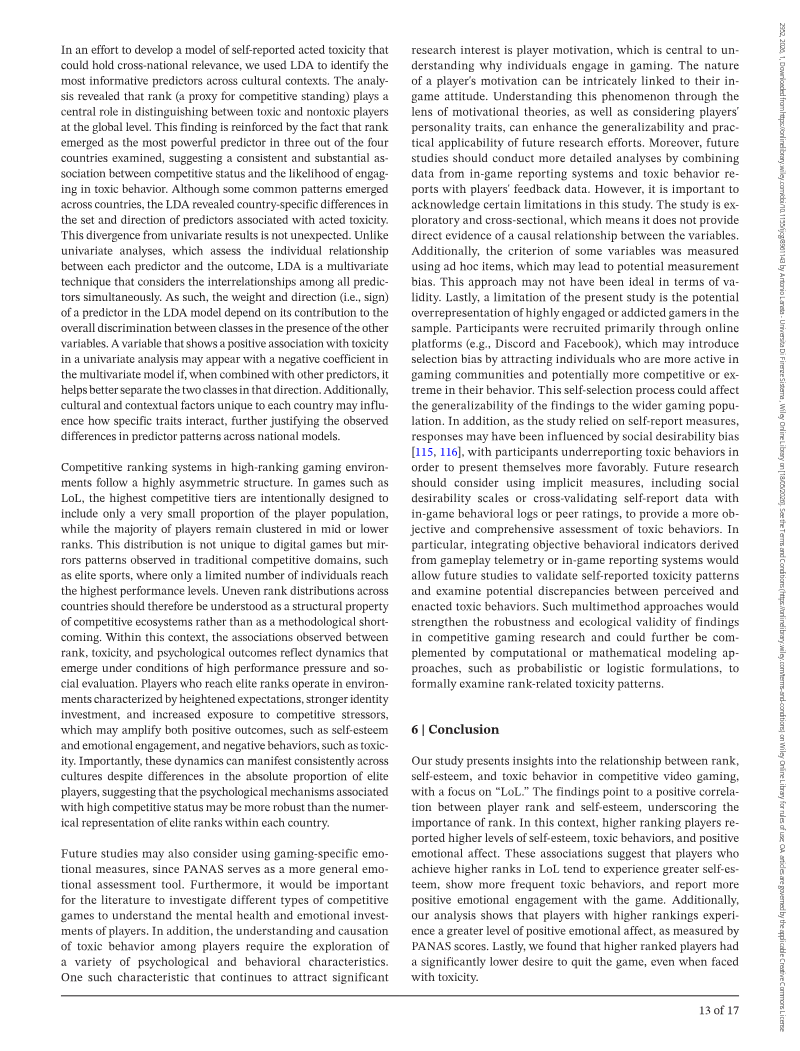
- 06Developers require targeted intervention strategies to decouple status-seeking behaviors from the normalization of toxicity in high-level competitive ecosystems.See it on page 13
Ask AI about this report
Summary
Competitive success in League of Legends serves as a primary driver for both psychological fulfillment and behavioral volatility among elite players. An analysis of 1,528 participants across Italy, Turkey, Japan, and South Korea reveals that higher competitive ranks consistently correlate with elevated self-esteem and increased positive emotional affectivity. These high-ranking individuals, particularly those at the Master tier and above, exhibit a profound commitment to the game, demonstrating significant resilience against quitting even when subjected to persistent toxic environments.
The psychological mechanisms underpinning these outcomes are rooted in the interplay between social identity, self-determination, and the cognitive dissonance associated with maintaining elite status. As players ascend the ranking hierarchy, the pressure to protect their self-image and status often manifests as increased toxic behavior. This phenomenon suggests that toxicity functions as a defensive mechanism within high-stakes competitive environments, mirroring the intense psychological pressures observed in traditional elite sports. The consistency of these findings across four distinct cultural contexts indicates that the behavioral patterns associated with competitive gaming are largely universal rather than culturally contingent.
Ultimately, the findings underscore a critical paradox in competitive digital ecosystems: the very factors that drive player engagement and fulfillment also foster environments characterized by hostility. Because rank serves as the most robust predictor of toxic behavior, the data highlights an urgent need for targeted intervention strategies. Developers and community managers must address these behavioral trends to mitigate the negative impacts of high-level competition, ensuring that the pursuit of status does not continue to normalize toxicity as an inherent component of the elite gaming experience.