More from Indian Institute of Technology Bombay
View all
Whitepaper
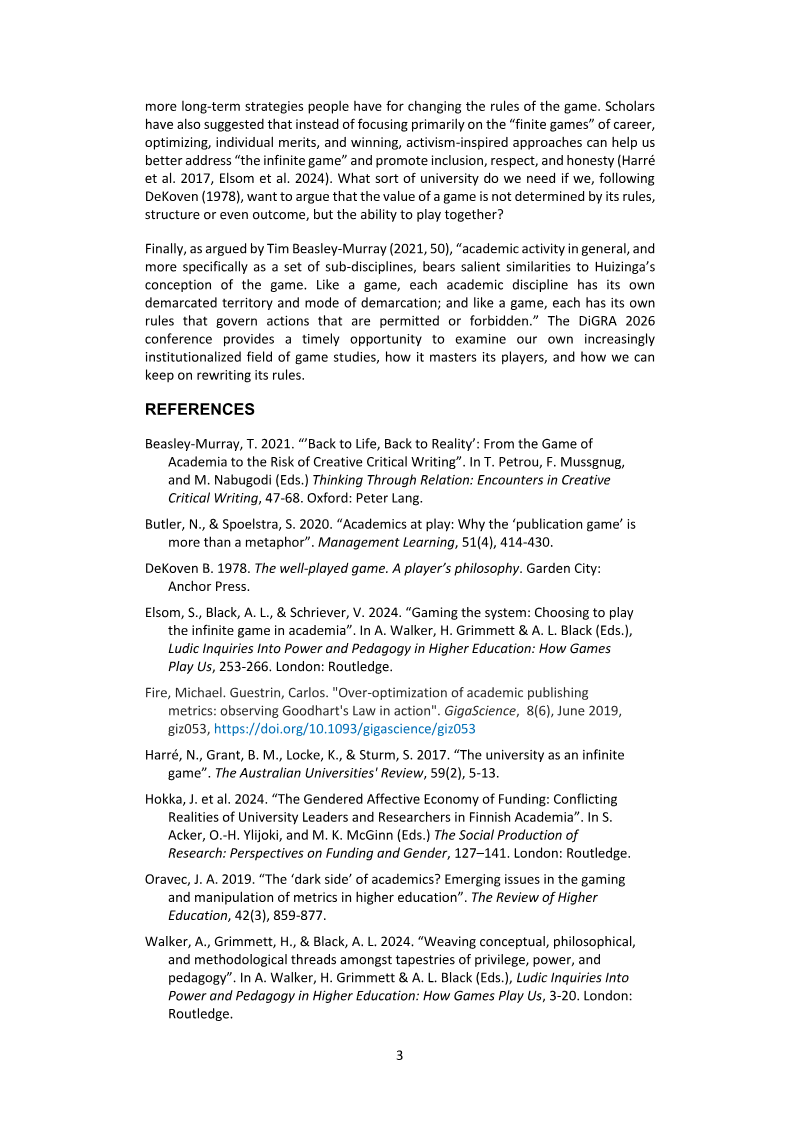
How to Play Academia: Conceptual and Methodological Observations
Tampere University · 2026
Whitepaper
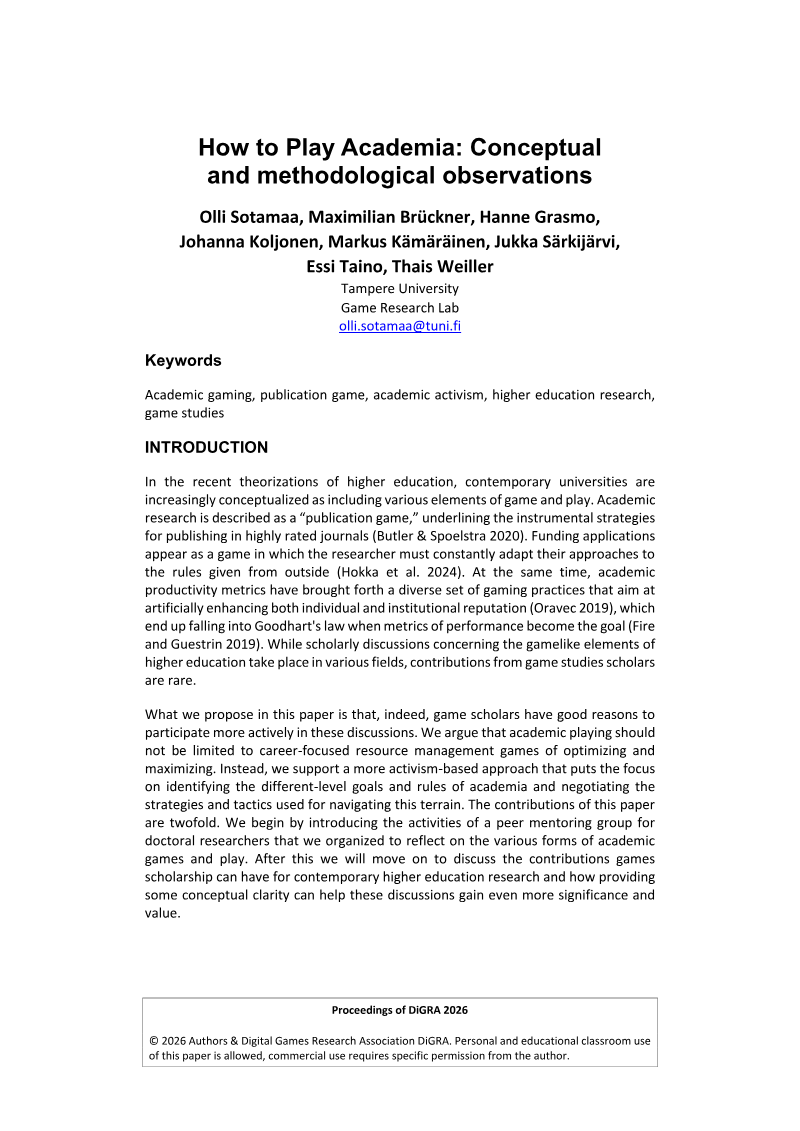
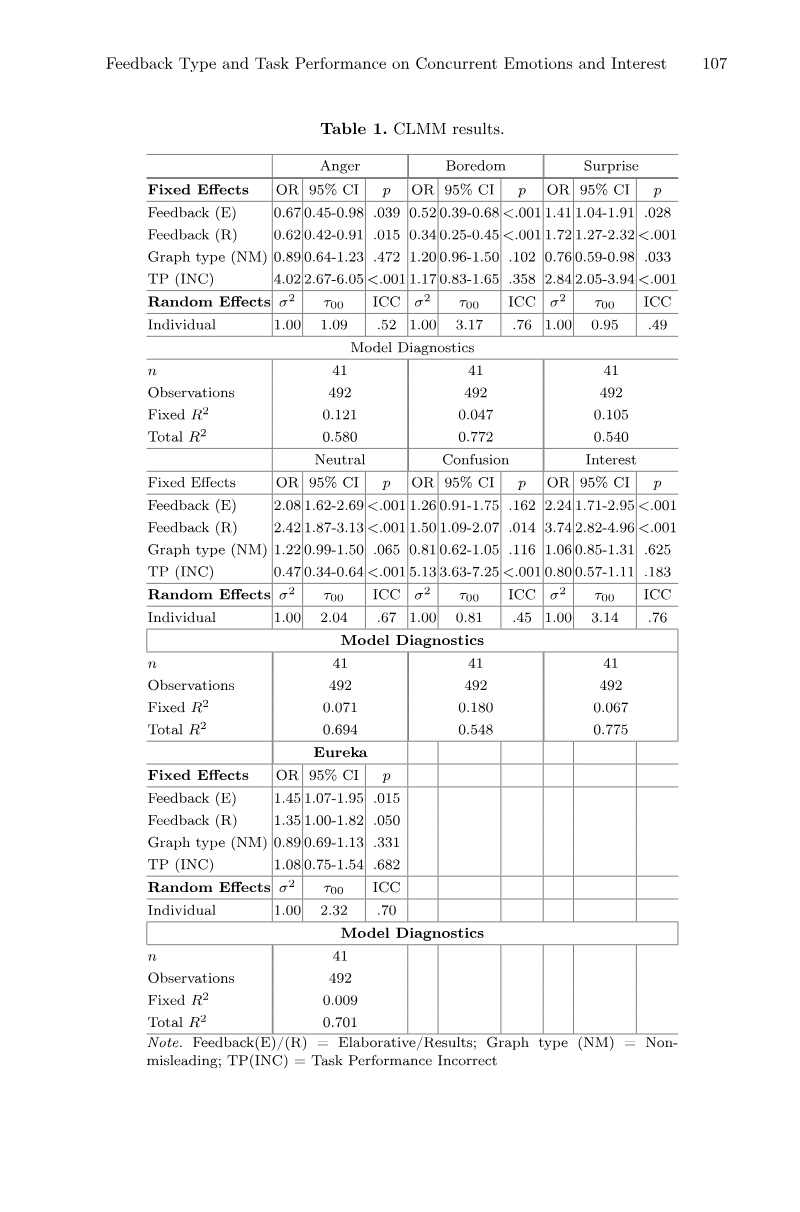
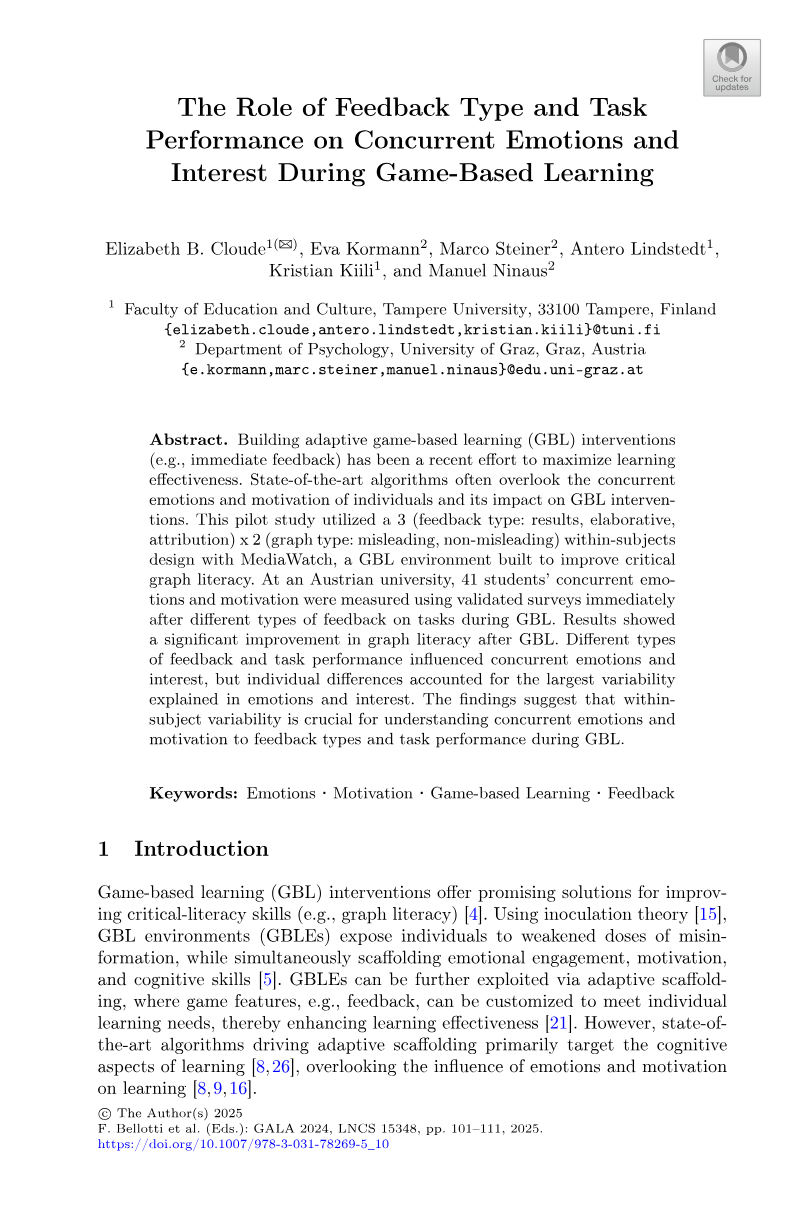
The Role of Feedback Type and Task Performance on Concurrent Emotions and Interest During Game-Based Learning
Tampere University · 2024
Whitepaper
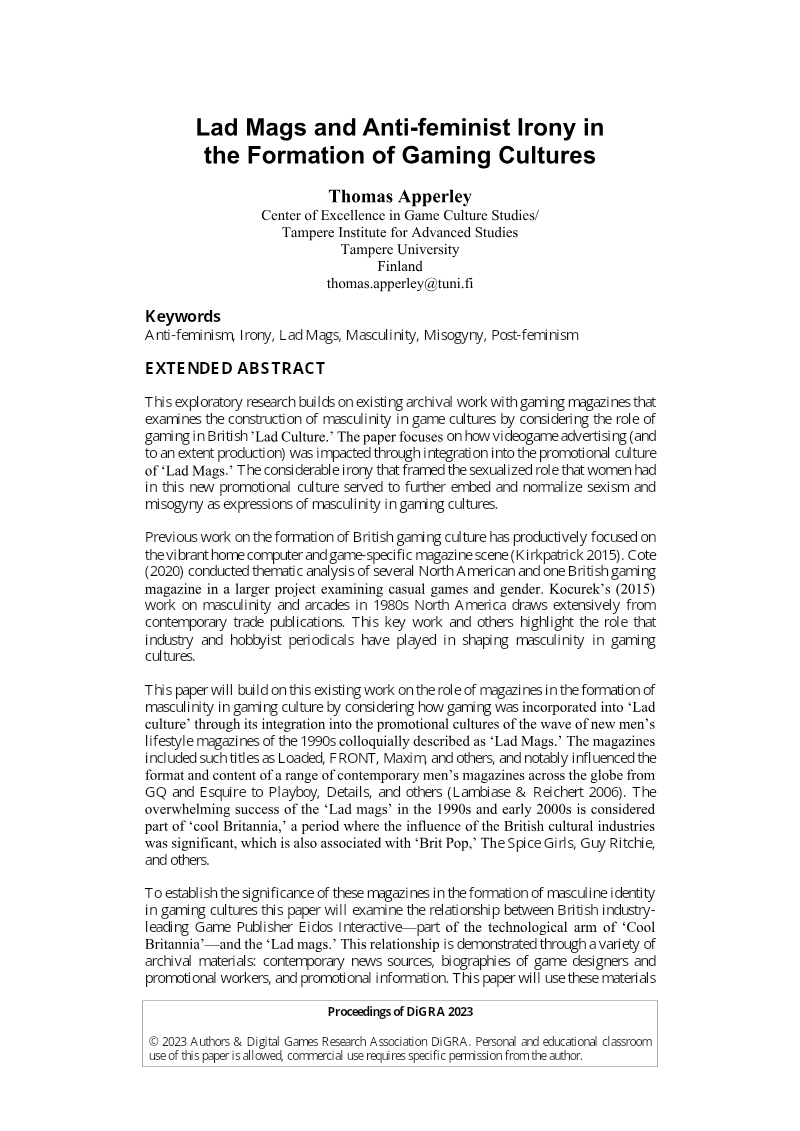
Lad Mags and Anti-feminist Irony in the Formation of Gaming Cultures
Tampere University · 2023

Whitepaper
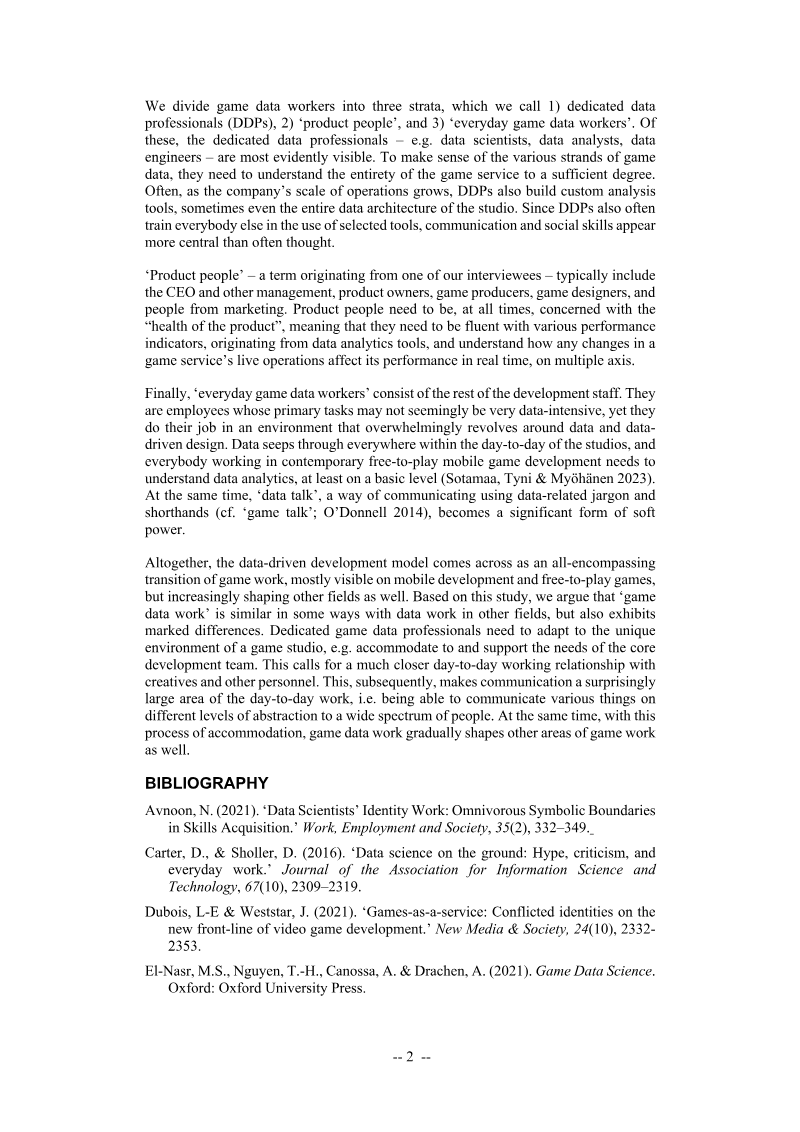
Towards Understanding Game Data Work
DiGRA · 2023
Whitepaper
Kinesthetic Elementary Mathematics: Creating Flow with Gesture Modality
Tampere University · 2016
Whitepaper
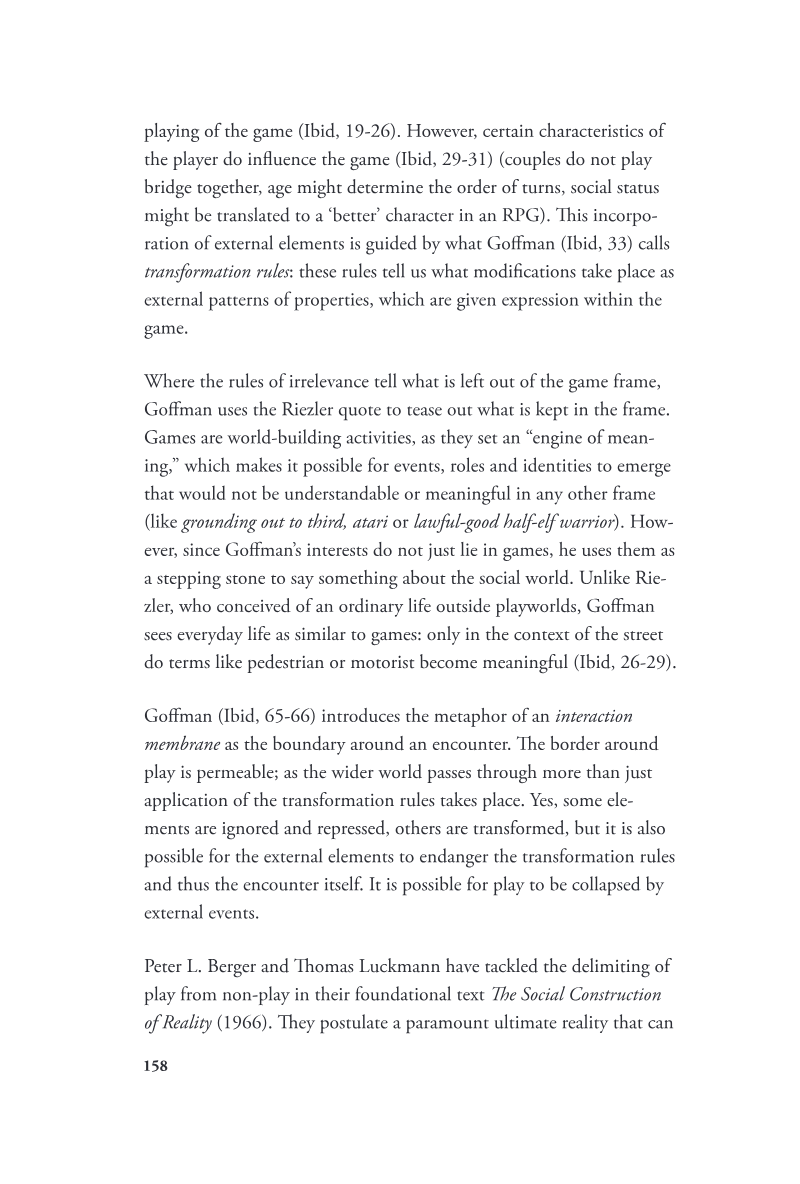
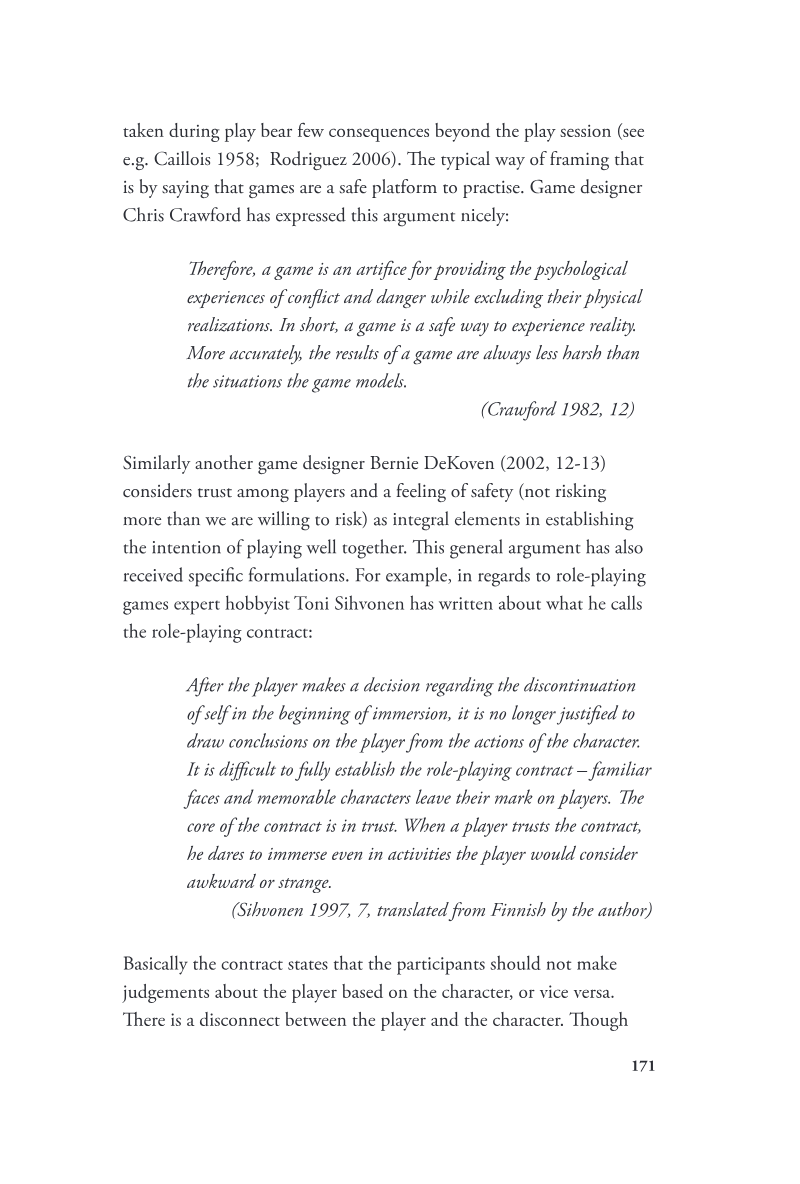
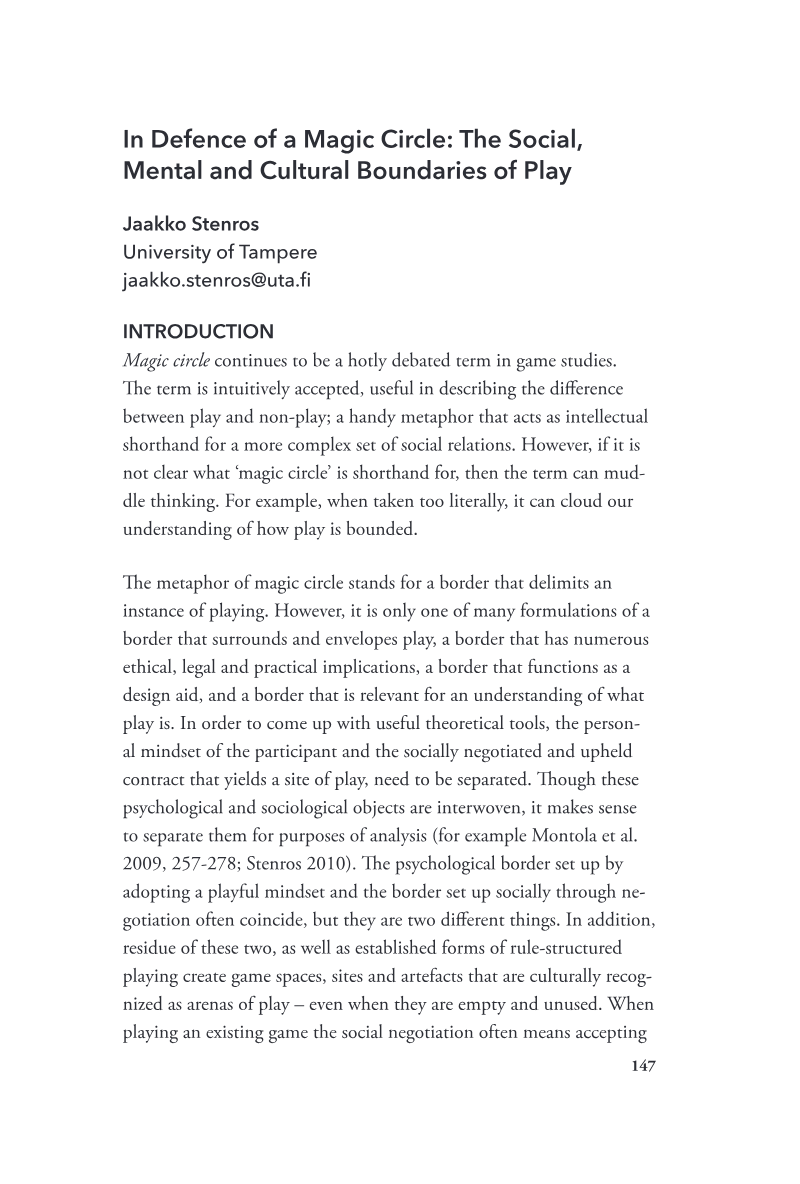
In Defence of a Magic Circle: The Social, Mental and Cultural Boundaries of Play
DiGRA · 2014

Whitepaper
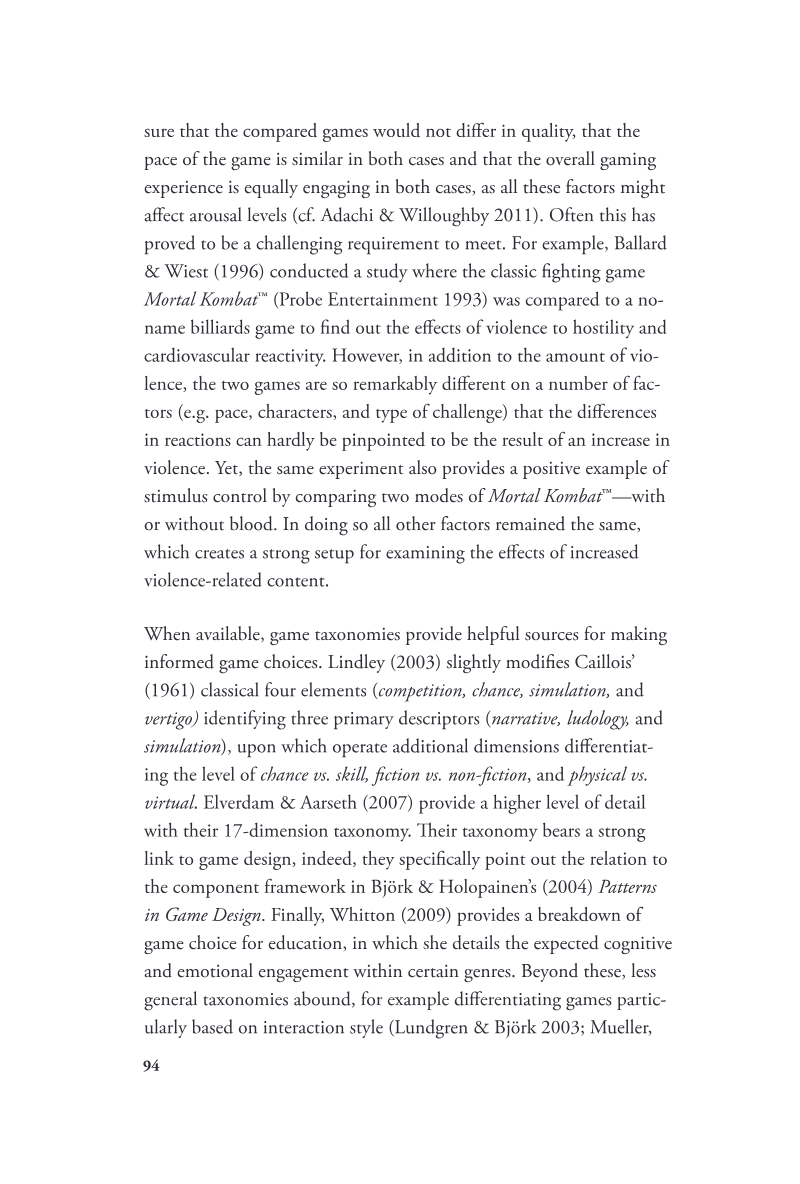
A Practical Guide to Using Digital Games as an Experiment Stimulus
Aalto University · 2014
Whitepaper
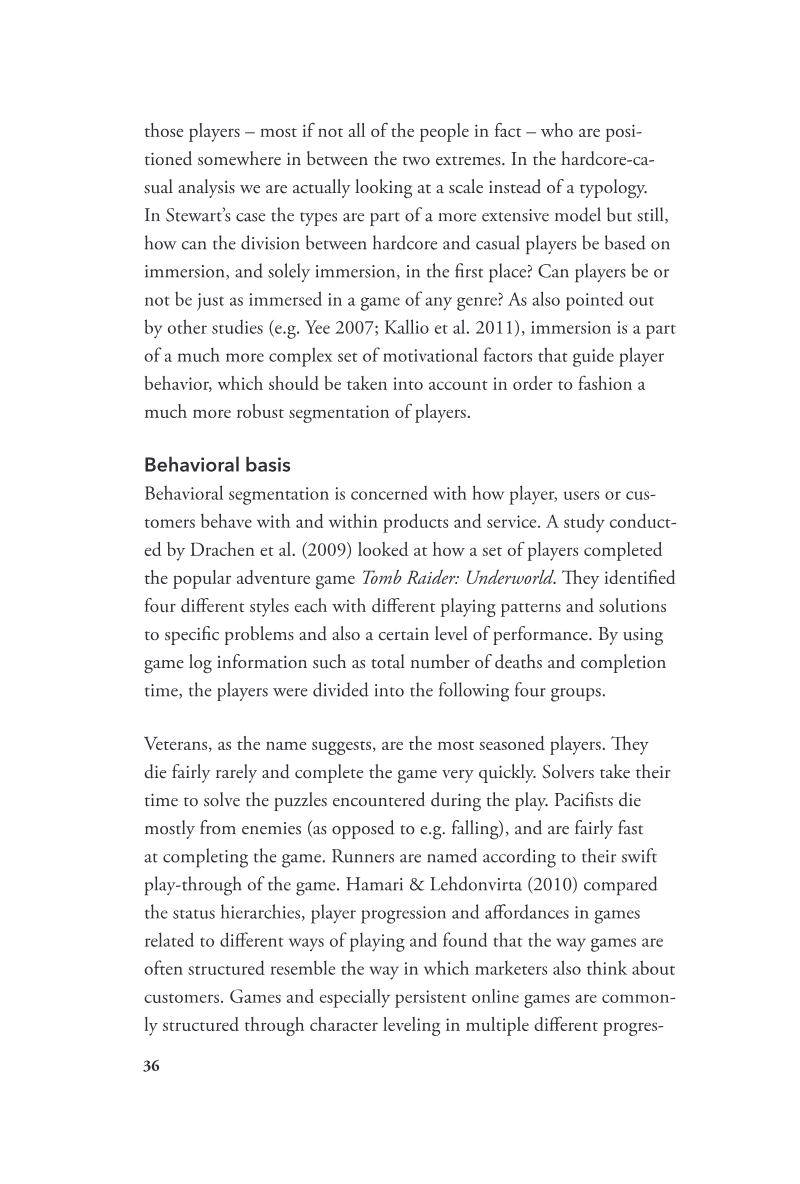
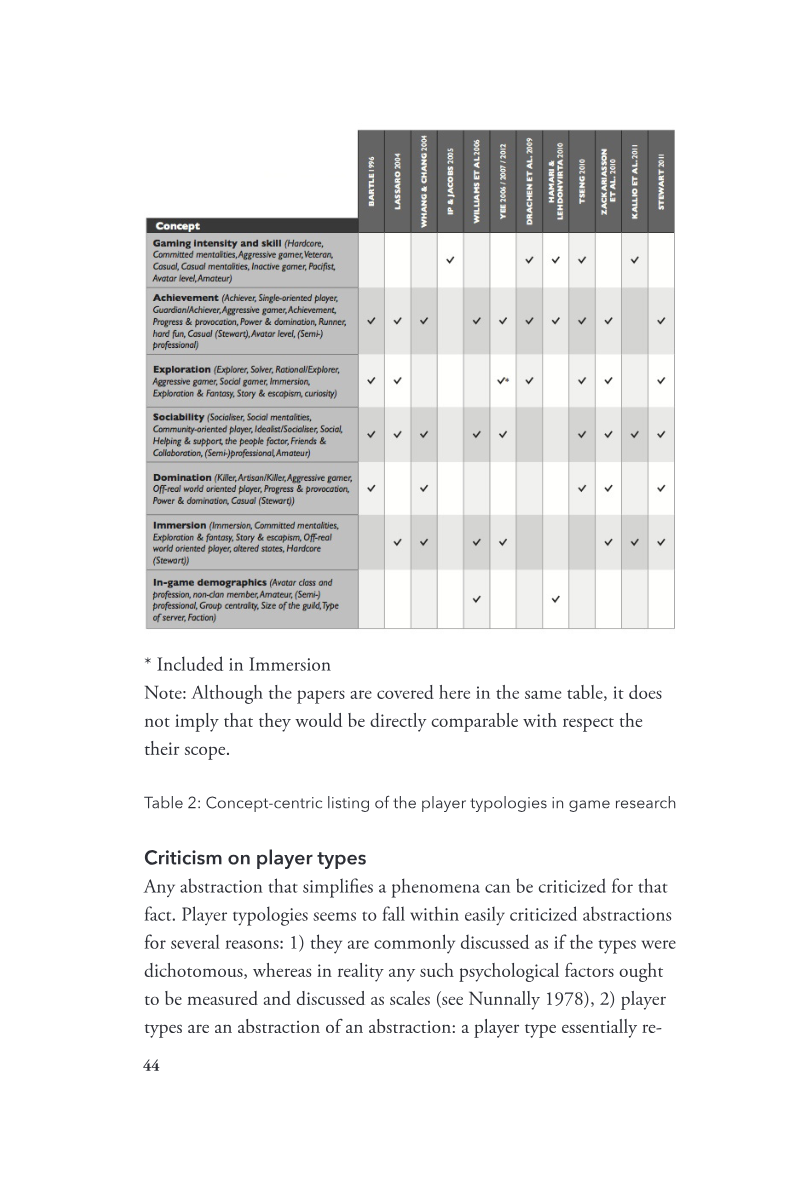
Player Types: A Meta-synthesis
Tampere University · 2014
Whitepaper
Designing “Game Idea Generation” Games: Finland
Tampere University · 2009