1 free read left. Create a free account for unlimited reading + AI research.
Create free accountWhitepaperTampere University
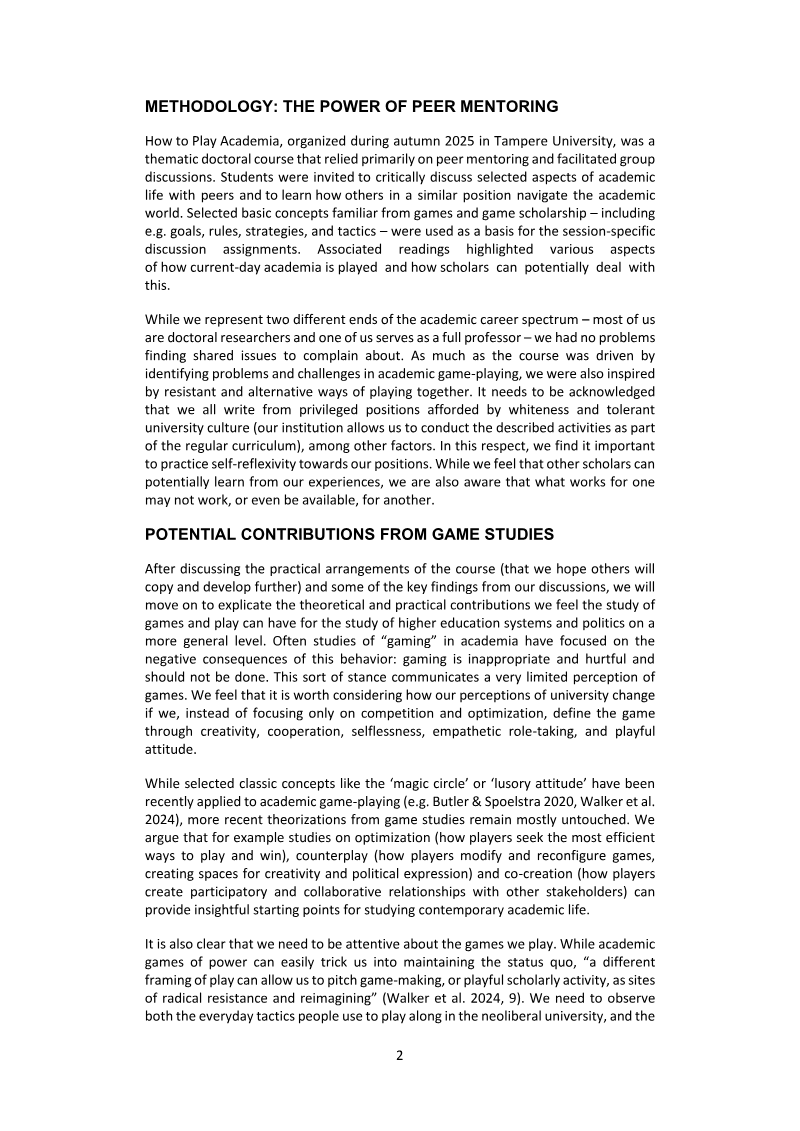
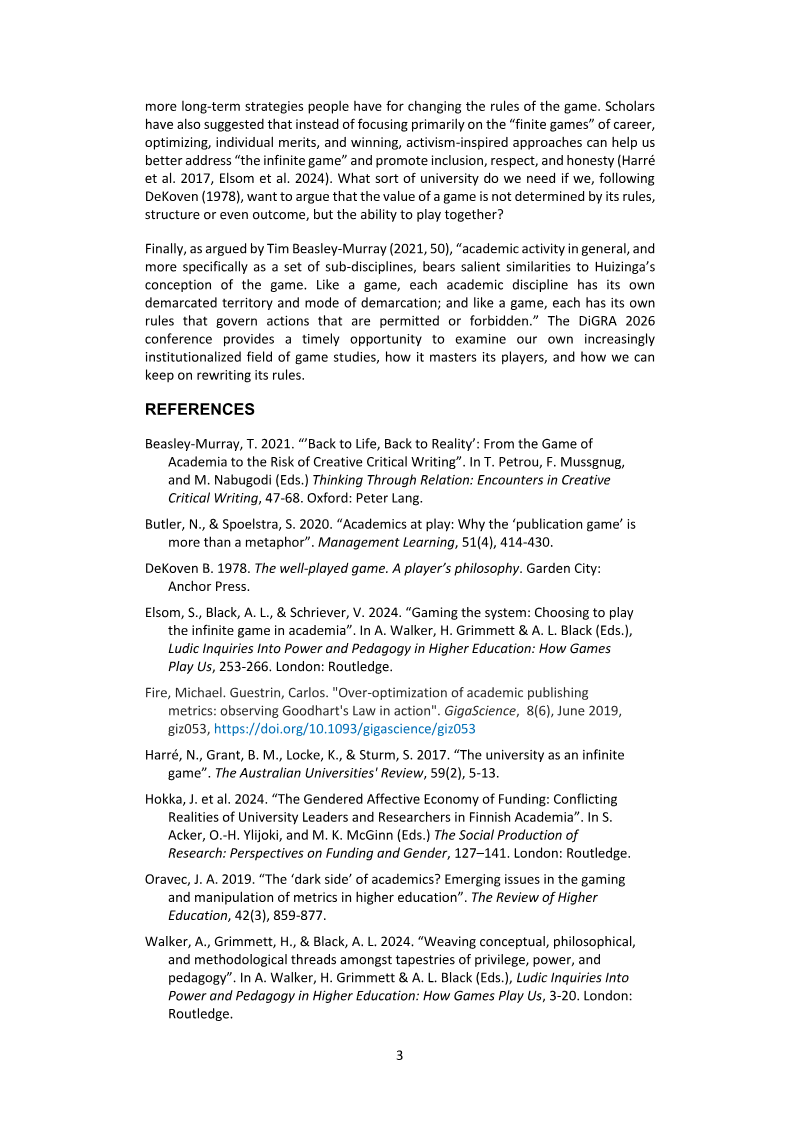
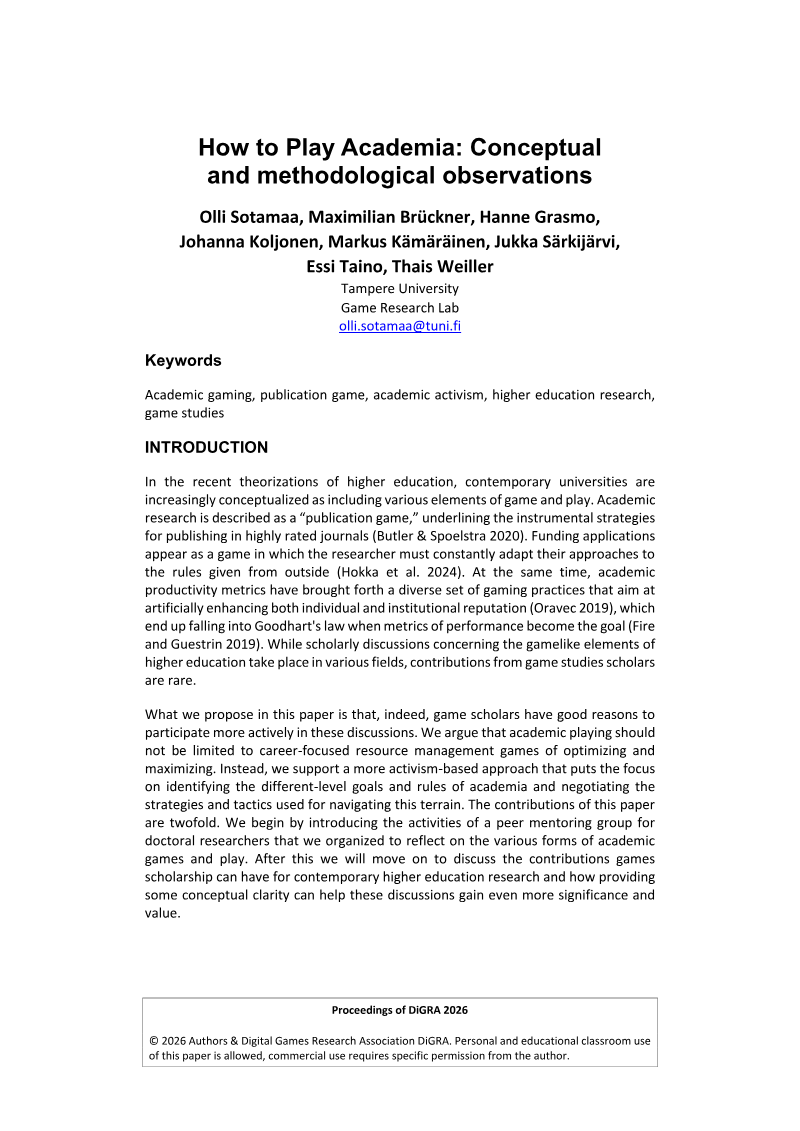
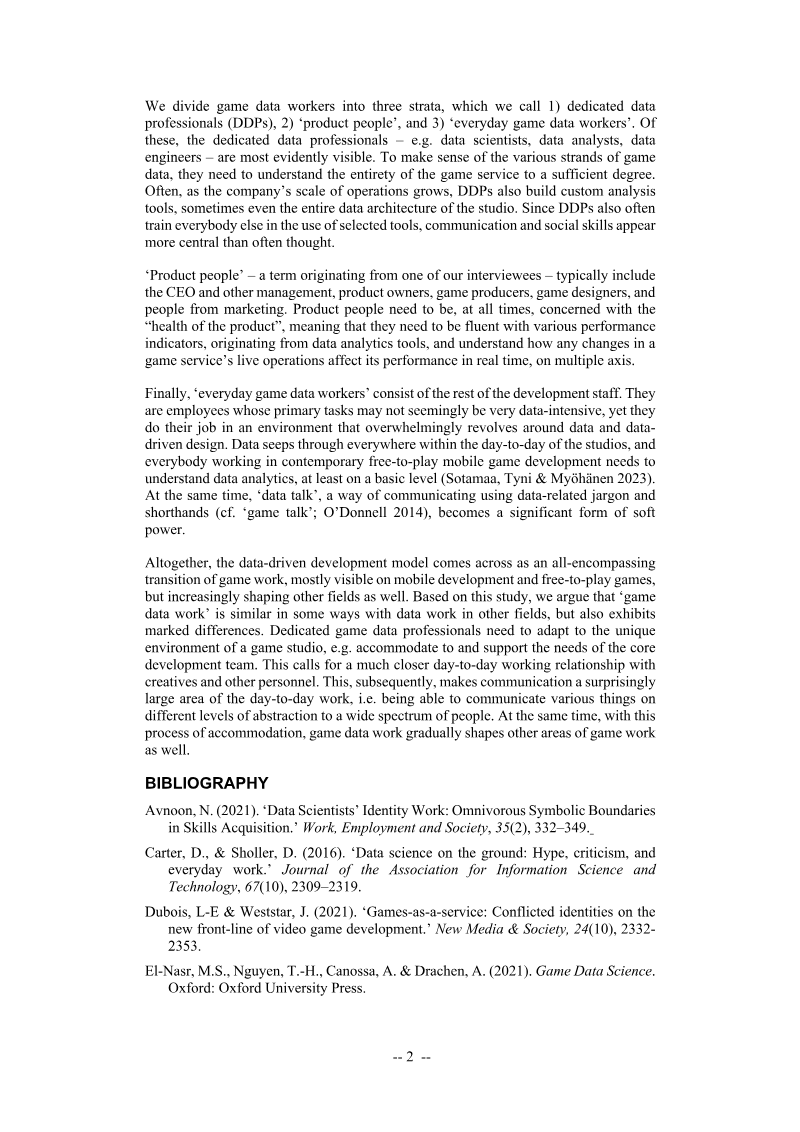
It looks at how 1990s British Lad Culture shaped masculinity within gaming culture. It focuses on the promotional relationship between Eidos Interactive and Lad Mags.
This exploratory paper examines how British "Lad Culture" of the 1990s shaped masculinity within gaming culture, focusing on the promotional relationship between the game publisher Eidos Interactive and the wave of men's lifestyle magazines known as "Lad Mags," including Loaded, FRONT, and Maxim. Its central argument is that the adoption of Lad Mag promotional strategies, combined with a layer of ironic framing around sexualized female characters, further embedded and normalized sexism and misogyny as expressions of masculinity in gaming. The paper positions this work as an extension of existing scholarship on the role of periodicals in shaping gaming identities, drawing on prior research into British gaming magazines and North American arcade culture.
The analysis rests on archival materials, including contemporary news sources, biographies of game designers and promotional workers, and promotional information. Its case studies are three Eidos Interactive titles heavily promoted in 1997: Deathtrap Dungeon, Fighting Force, and Tomb Raider II. These games centered their marketing on the glamorized and sexualized presentation of their female protagonists, and used glamour models from Lad Mags at events in Europe and North America. The scope is therefore historically bounded to the late 1990s British context, with the influence of Lad Mags on later global men's magazines noted as a broader consequence.
A key finding concerns the role of irony. Drawing on prior work on ironic discourse in men's lifestyle magazines, the paper argues that irony allowed these promotions to both destabilize masculine class identity and express anti-feminist sentiment while maintaining deniability. The female protagonists are presented as embodying "Girl Power" while their femininity is reduced to bodily display, a tension the author argues reinforces misogynistic norms. The paper's conclusions are presented as interpretive rather than quantitative, reflecting its exploratory design and reliance on textual and archival evidence.
DiGRA · 2026