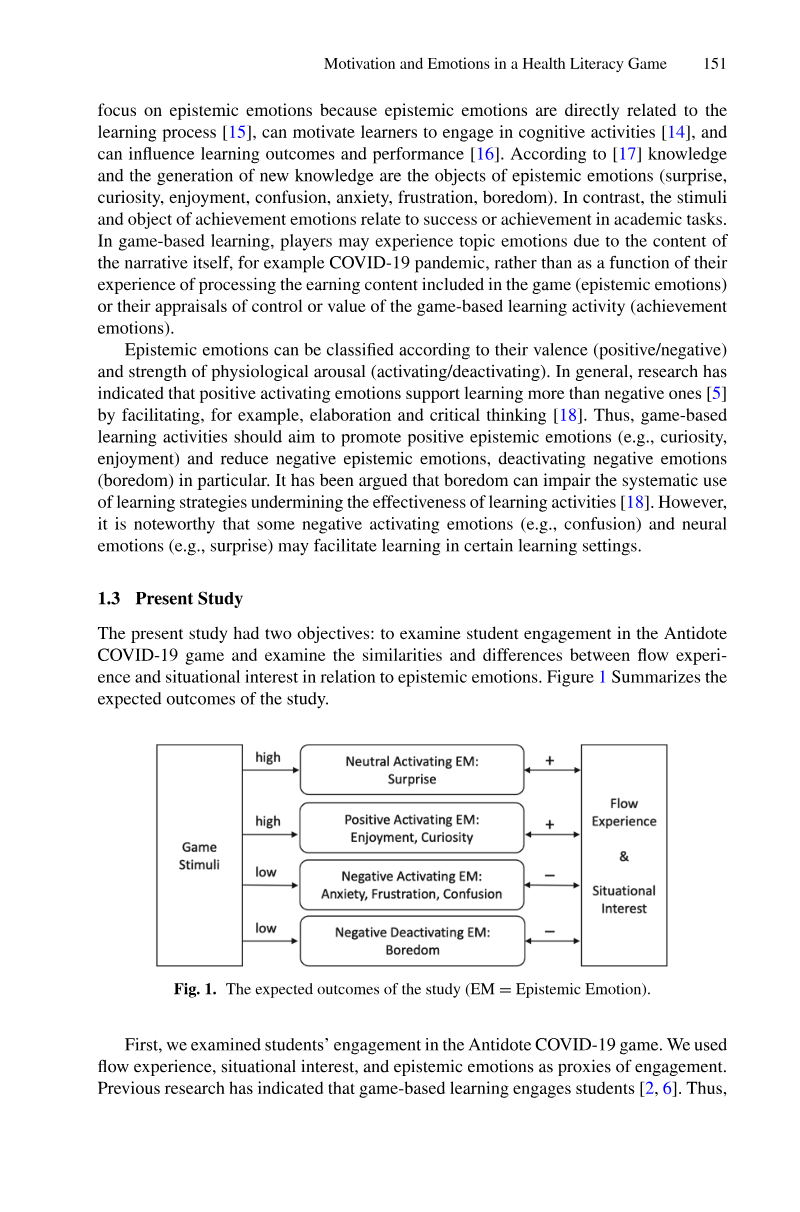
This study investigates how different feedback types and task performance influence concurrent emotions and interest within game-based learning (GBL) environments. The primary objective is to address the gap in adaptive GBL interventions, which often prioritize cognitive performance while neglecting the emotional and motivational states of learners. By utilizing a within-subjects design, the research explores whether results-based, elaborative, or attribution-based (AB) feedback strategies differentially impact student engagement and emotional responses during critical graph literacy tasks.
The study involved 41 university students in Austria who interacted with MediaWatch, a GBL platform designed to improve graph literacy through inoculation theory. Participants completed 12 graph-reading tasks—half of which were intentionally misleading—while receiving randomized feedback types. Data were collected via pre- and post-intervention surveys to measure graph literacy, alongside validated surveys administered immediately after each task to capture emotional and motivational states.
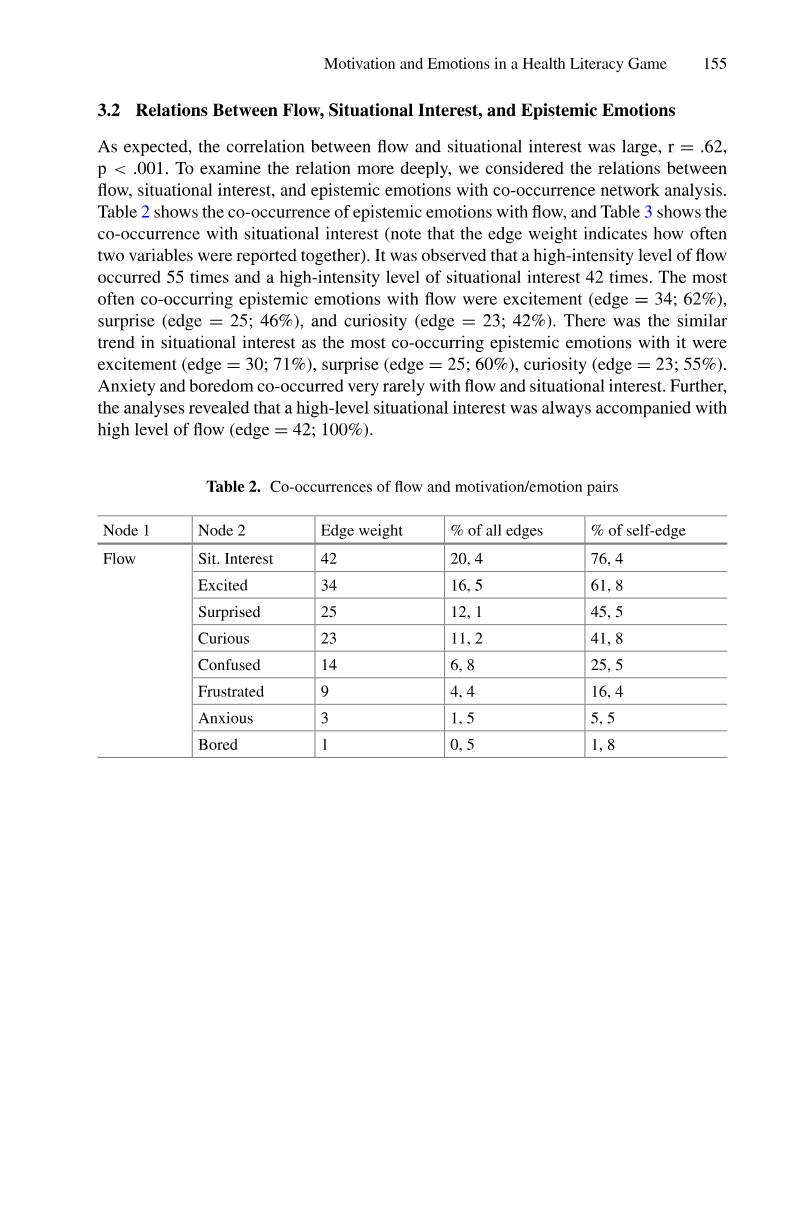
Key findings indicate that while GBL significantly improved graph literacy, the specific type of feedback provided had a measurable impact on concurrent emotions. Contrary to initial hypotheses, attribution-based feedback was associated with higher levels of boredom and lower interest compared to elaborative or results-based feedback. Furthermore, task performance was a significant predictor of emotional state, with incorrect answers correlating with increased anger and confusion, while correct answers were linked to higher neutral responses. Notably, individual differences accounted for 40% to 70% of the variability in emotional and motivational states, suggesting that internal learner characteristics are more influential than the feedback type itself. The study concludes that while feedback strategies are important, future adaptive GBL systems must account for high levels of within-subject variability to effectively manage the emotional and motivational dimensions of the learning experience.